
Osaka Travel Guide: The Ultimate Foodie Itinerary in Japan’s Kitchen
Osaka welcomed a record-breaking 17.6 million international tourists in 2025, and they’re aiming for 18 million in 2026. That means Japan’s street-food capital is about to get crowded, especially as the post-Expo legacy kicks into high gear. I’ve spent years eating my way through these neon-lit alleys to figure out which spots are genuine culinary landmarks and which are just bait for your wallet. This definitive Osaka travel guide will show you how to dodge the crowds, skip the fake reviews, and eat like a local.
Quick Facts — Osaka
Japanese Yen (JPY)
Japanese (Kansai dialect)
GMT+9
Type A & B
October to November (Autumn)
68 countries exempt (up to 90 days)
Key Takeaways
- Best time to visit: Late autumn for mild weather, or mid-August if you want to experience the high-energy Obon Festival.
- Budget needed: ¥8,000 to ¥12,000 ($50–$80 USD) per day for mid-range dining and local transit.
- Must book ahead: Night tickets for teamLab Botanical Garden and any high-end sushi or wagyu reservations.
- Getting around: The subway is incredibly efficient. Buy the Enjoy Eco Card to save on daily transit costs.
Why 2026 is the Year to Visit Osaka
The post-Expo 2025 legacy makes 2026 the absolute best window to experience Osaka. The city spent years upgrading its transit infrastructure, including the Chuo Metro line extension to Yumeshima, and a wave of new luxury hotels has finally opened its doors.
If you time your visit during the Obon Festival in mid-August, you’ll catch the city at its most energetic. Yes, it’s peak travel season and the heat is intense, but the local festivals and street dances are worth the sweat.
But let’s be honest: most people don’t come to Osaka for the infrastructure. They come to eat until they drop—a local philosophy known as kuidaore.
What to Eat (and Where to Find the Real Deal)
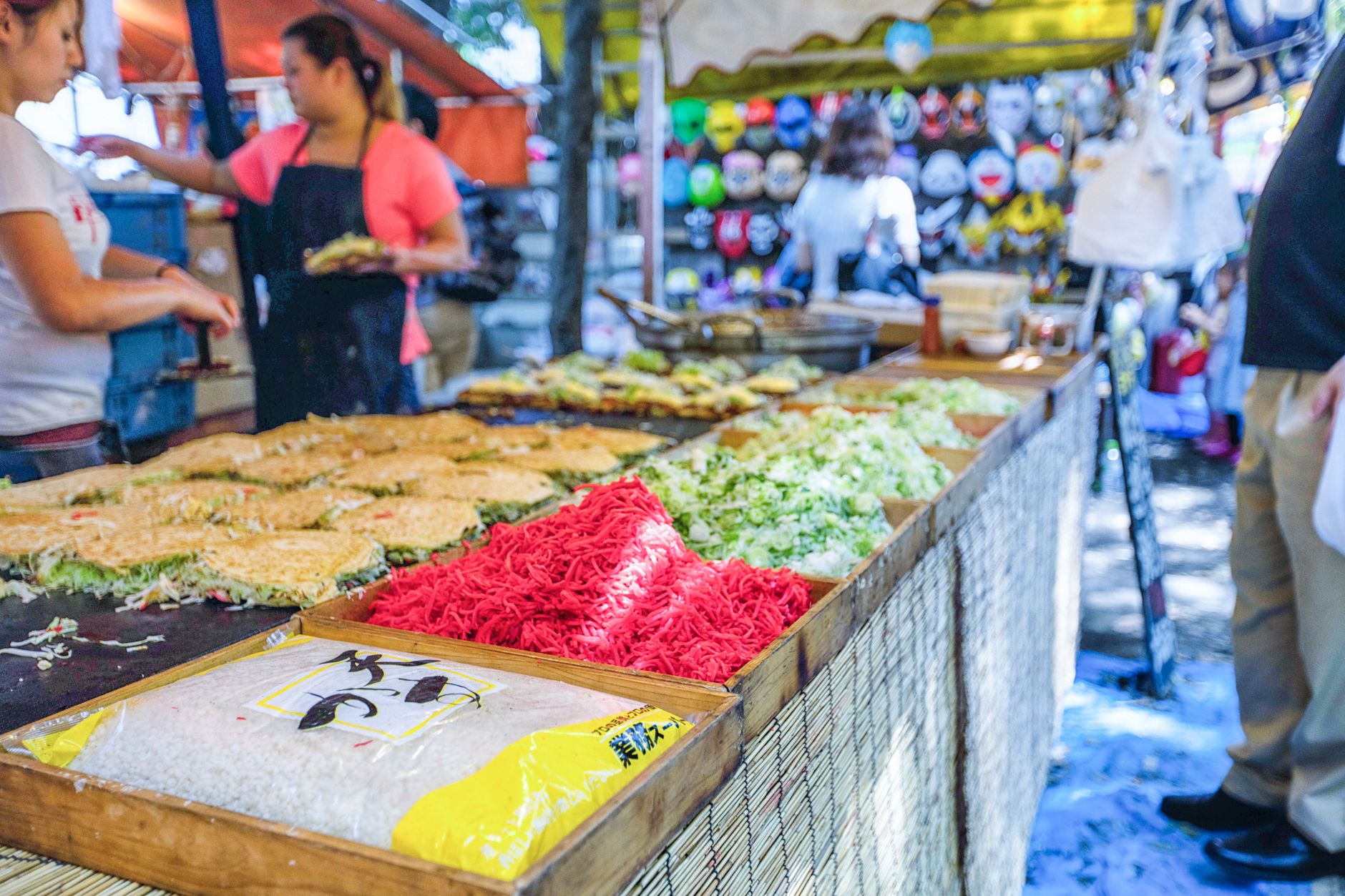
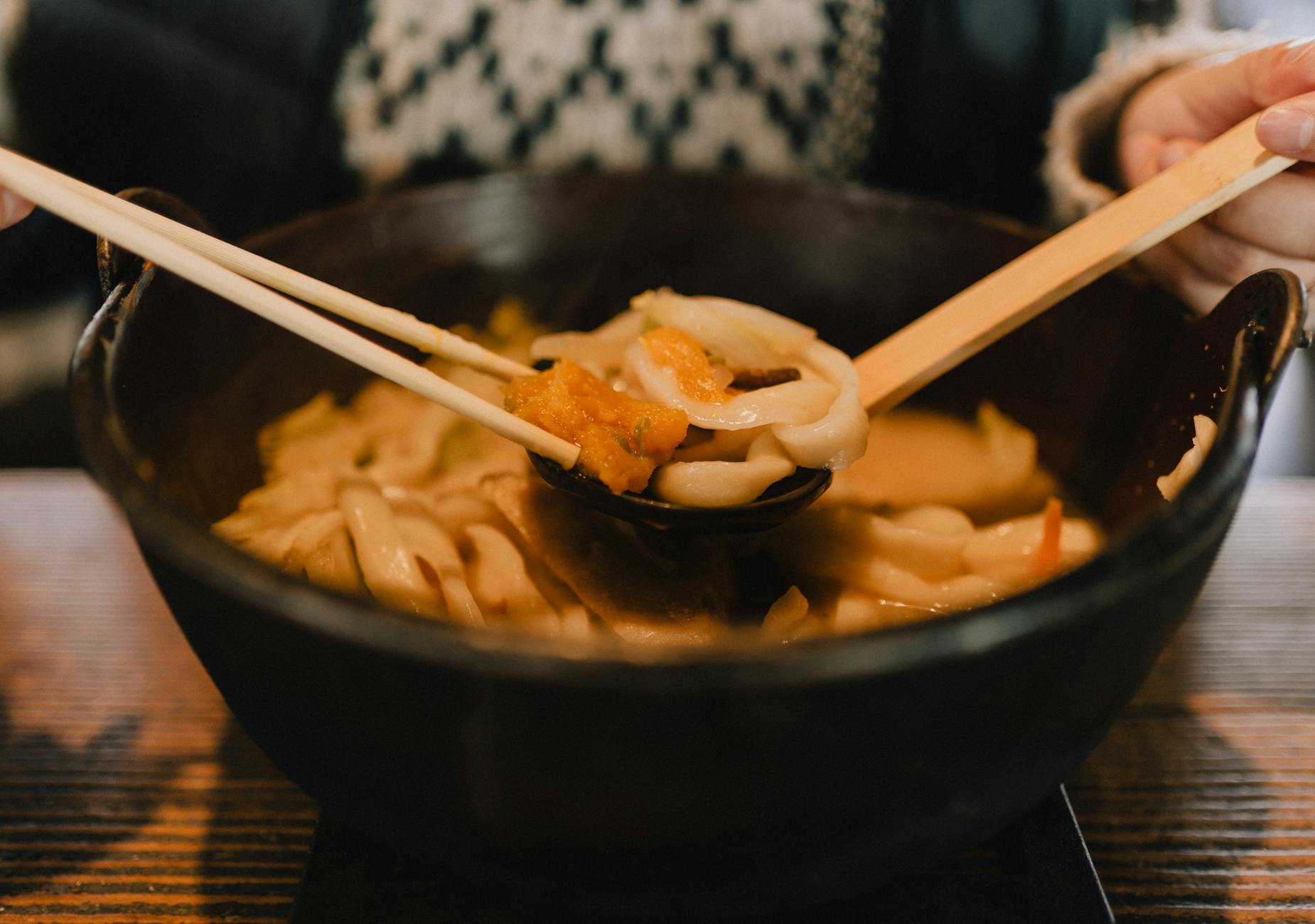
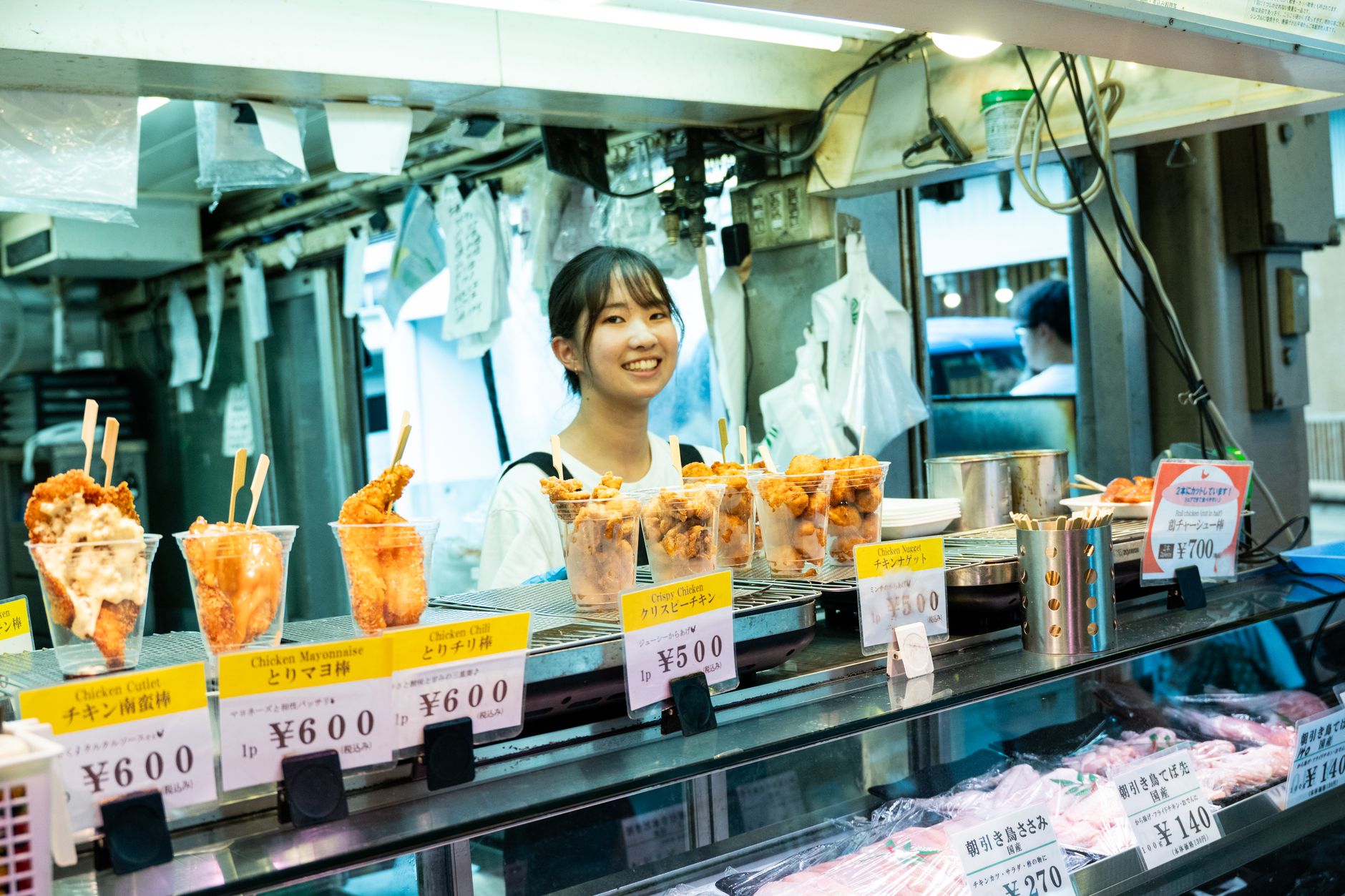
Osaka’s food scene is legendary, but popularity breeds imitation. If you just wander into the first neon-lit joint on the Dotonbori main strip, you’re likely to get overpriced, reheated food. Here’s where to find the authentic versions of Osaka’s holy trinity of comfort food.

Things to Do That Are Actually Worth the Trip
Osaka has plenty of tourist traps, but it also has experiences you can’t replicate anywhere else. Here are three attractions that genuinely live up to the hype, provided you know how to visit them properly.
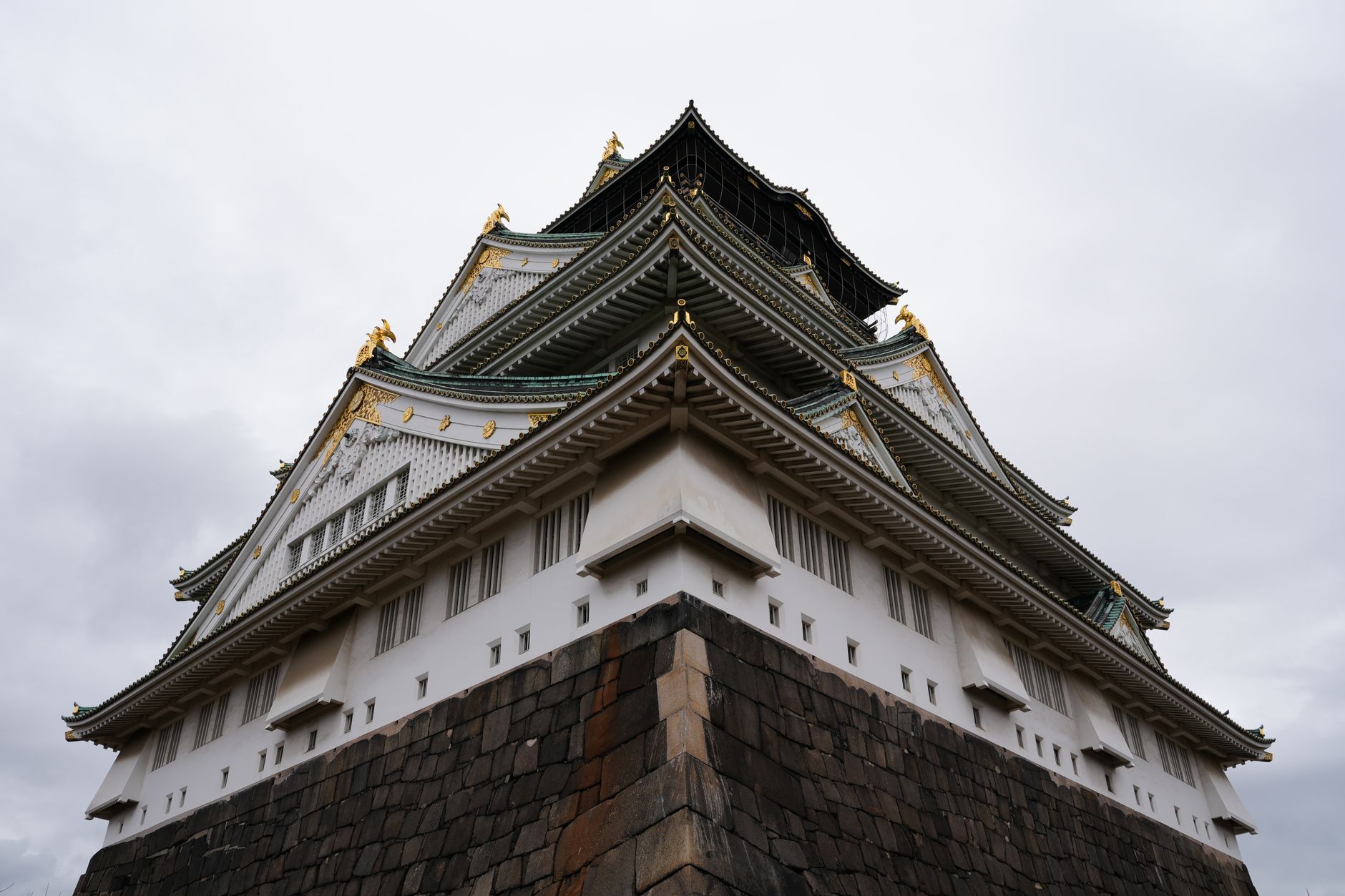
While you’re exploring the castle grounds, make sure to find the “Takoishi” (Octopus Stone) near the Sakuramon Gate. It’s the largest single granite slab in the castle walls, weighing an estimated 130 tons. It’s so massive that its surface area covers 36 tatami mats.

Safety & Tourist Traps to Avoid
Osaka is generally incredibly safe, but its nightlife districts have a few highly specific financial traps. Knowing these will save you thousands of yen and a lot of frustration.
The Bottakuri (Rip-off Bar) Scam
In Shinsaibashi and Namba, friendly street touts or attractive women will strike up a conversation and invite you to a “great local bar” upstairs. Once inside, you’re hit with a massive bill (often 40,000 to 60,000 yen) for hidden seating fees or “female accompaniment.” Never follow street touts (kyakuhiki) to any venue. If approached, firmly say “No” and keep walking—the police rarely intervene because they view it as a civil contract dispute.
Fake Google Review Restaurants
On the Dotonbori main strip, several second-floor restaurants advertising “Halal Wagyu” or “A5 Beef” manipulate their Google ratings to show 4.8 stars with thousands of reviews. They do this by offering free mochi ice cream or discounts in exchange for an immediate 5-star review on the spot. Tourists end up paying up to 60,000 yen for two people for low-quality, reheated food. Always filter Google reviews by “Lowest Rating” first to check for complaints about surprise charges or fake reviews.
Walking and Eating (Tabeloki) Faux Pas
In Kuromon Ichiba Market and Shinsaibashi-suji, walking while eating is considered highly impolite and a safety hazard in crowded areas. Always consume your food directly in front of the stall where you bought it, and return the trash to the vendor. Public trash cans are virtually non-existent in Osaka, so if you walk away with trash, you’ll be carrying it all day.
Practical Logistics & Hacks
Navigating Osaka is easy once you know the local transit shortcuts and financial quirks. Here’s how to save money and travel like an insider.
Osaka Transit & Cash Hacks — step by step
The fastest and most comfortable way to get from Kansai International Airport (KIX) to central Osaka (Namba Station) is the Nankai Rap:t Limited Express. It takes exactly 34 minutes and costs 1,450 yen (~$10 USD) for a reserved seat.
Instead of buying individual subway tickets, buy the “Enjoy Eco Card” from any Osaka Metro vending machine. It costs 820 yen on weekdays and drops to 620 yen on weekends and public holidays, giving you unlimited 1-day rides on all subway lines and city buses. It breaks even after just three rides.
While major department stores and modern restaurants accept credit cards, Osaka’s best street food stalls, traditional markets, and historic eateries (like Usami-tei Matsubaya) are strictly cash-only. Always keep at least 5,000 to 10,000 yen in cash on hand.
Osaka Prefecture levies a local lodging tax on overnight stays, collected on-site at check-in. It’s charged per person, per night: exempt under 5,000 yen, 100 yen under 15,000 yen, 200 yen under 20,000 yen, and 300 yen for 20,000 yen and above.
What is the best area to stay in Osaka?
If you want to be close to the nightlife and street food, stay in Namba or Shinsaibashi. If you prefer a quieter, more local vibe with excellent transit connections to Kyoto and Tokyo, book a hotel near Umeda or Shin-Osaka Station.
How do I avoid the crowds during the Obon Festival?
Obon brings massive domestic crowds, so you must book your Shinkansen (bullet train) tickets weeks in advance. To avoid the worst of the crowds at major sights, visit temples at sunrise and head to indoor attractions like Sennichimae Doguyasuji during the hot midday hours.
Can I pay with a credit card at Osaka street food stalls?
No, almost all street food vendors and historic shops are cash-only. Keep yen on hand. Major convenience stores like 7-Eleven have ATMs that accept international cards if you run out of cash.
What is the best way to get from Kansai Airport to central Osaka?
Use the Nankai Rap:t Limited Express. It takes 34 minutes to Namba and costs 1,450 yen. It is much faster and more comfortable than the standard local trains, especially when carrying luggage.
Staying Connected in Japan
Buying a physical prepaid SIM card at Kansai International Airport (KIX) or local electronics stores like Yodobashi Camera will run you about 4,000 to 7,000 yen ($25–$45 USD) depending on data limits. The local 4G and 5G network coverage is excellent, even deep inside underground subway stations.
One quick quirk to keep in mind: many Japanese ticketing platforms (like Lawson Ticket) and restaurant reservation systems require a Japanese phone number (+81) capable of receiving SMS verification. Data-only SIMs won’t work for those specific bookings, but they are perfect for everything else.
To avoid the airport queues and high retail prices, you can grab a Japan eSIM from Galactic Roam before you even board your flight. It installs in seconds, connects to the local high-speed networks the moment you land, and keeps you connected while you navigate the neon maze of Osaka’s culinary backstreets.