Connect Globally

Trusted by Millions

Vienna Christmas Markets Guide: How to Experience Austria’s Festive Magic Like a Local

Vienna Travel Guide: How to Navigate the Stalls with Our Vienna Christmas Markets Guide

An astonishing 30,000 liters of hot punch are sold across Vienna’s Christmas markets every single day.

With over 4.5 million visitors flooding the city annually—including 3 million at Rathausplatz alone—this winter wonderland can quickly turn into a logistical nightmare. I spent three weeks navigating Vienna’s freezing cobblestones to figure out which of the 17 markets are actually worth your time. If you show up unprepared, the crowds, transit changes, and local scams will eat you alive.

Winging it is a terrible idea here—this guide is your logistical survival tool to doing it right when the season kicks off on November 6, 2026.

Quick Facts — Austria

Currency
Euro (€)
Language
German
Time zone
CET (UTC+1)
Plug type
Type C & F
Best time to visit
November to December
Visa
Schengen rules apply

The Major Markets: Which to Visit and Which to Skip

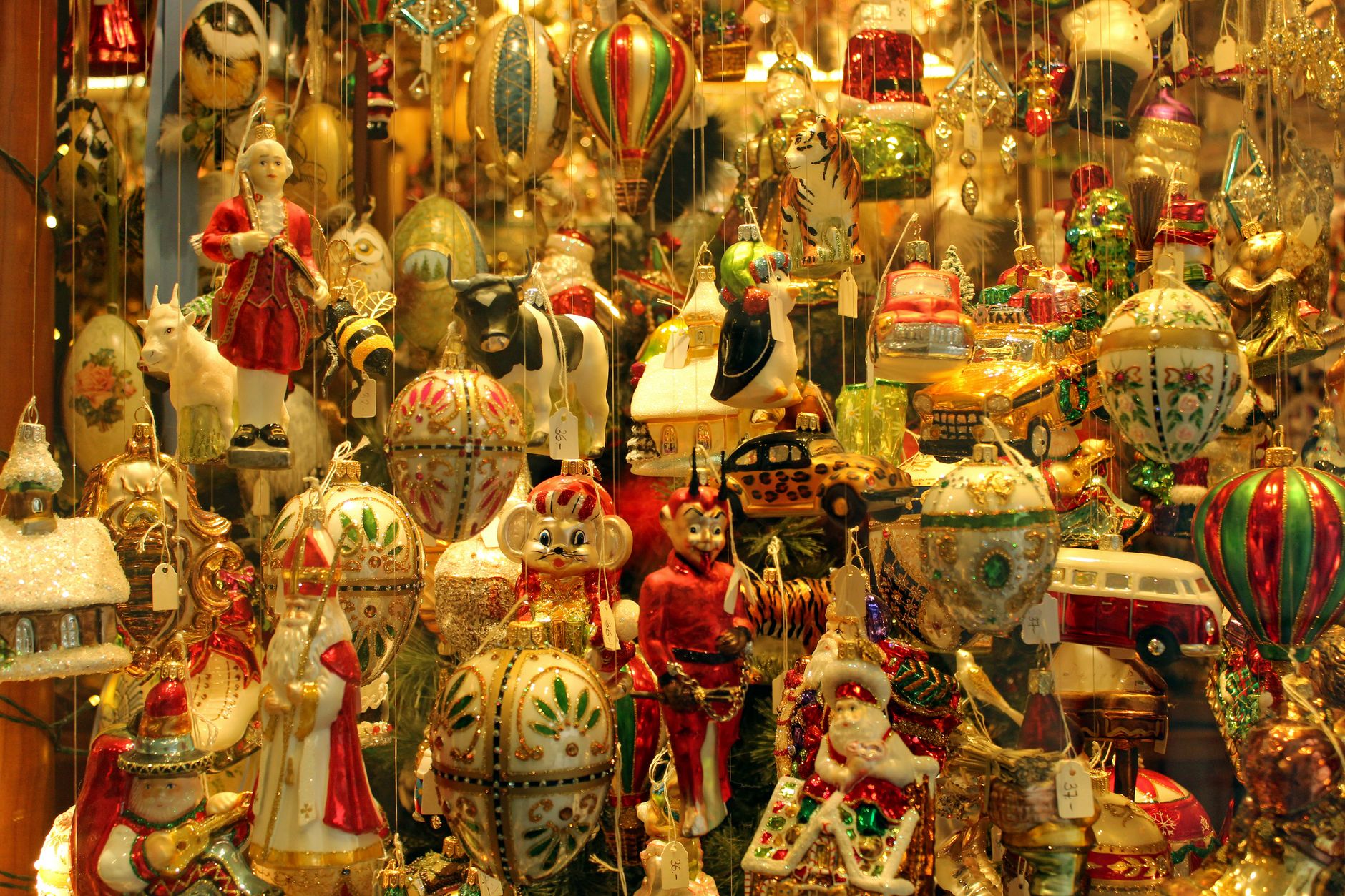
Vienna hosts between 14 and 17 official Christmas markets each year, comprising over 800 individual stalls. The average spend per visitor has risen to €30, which means you can easily blow your budget if you aren’t selective about where you stop.
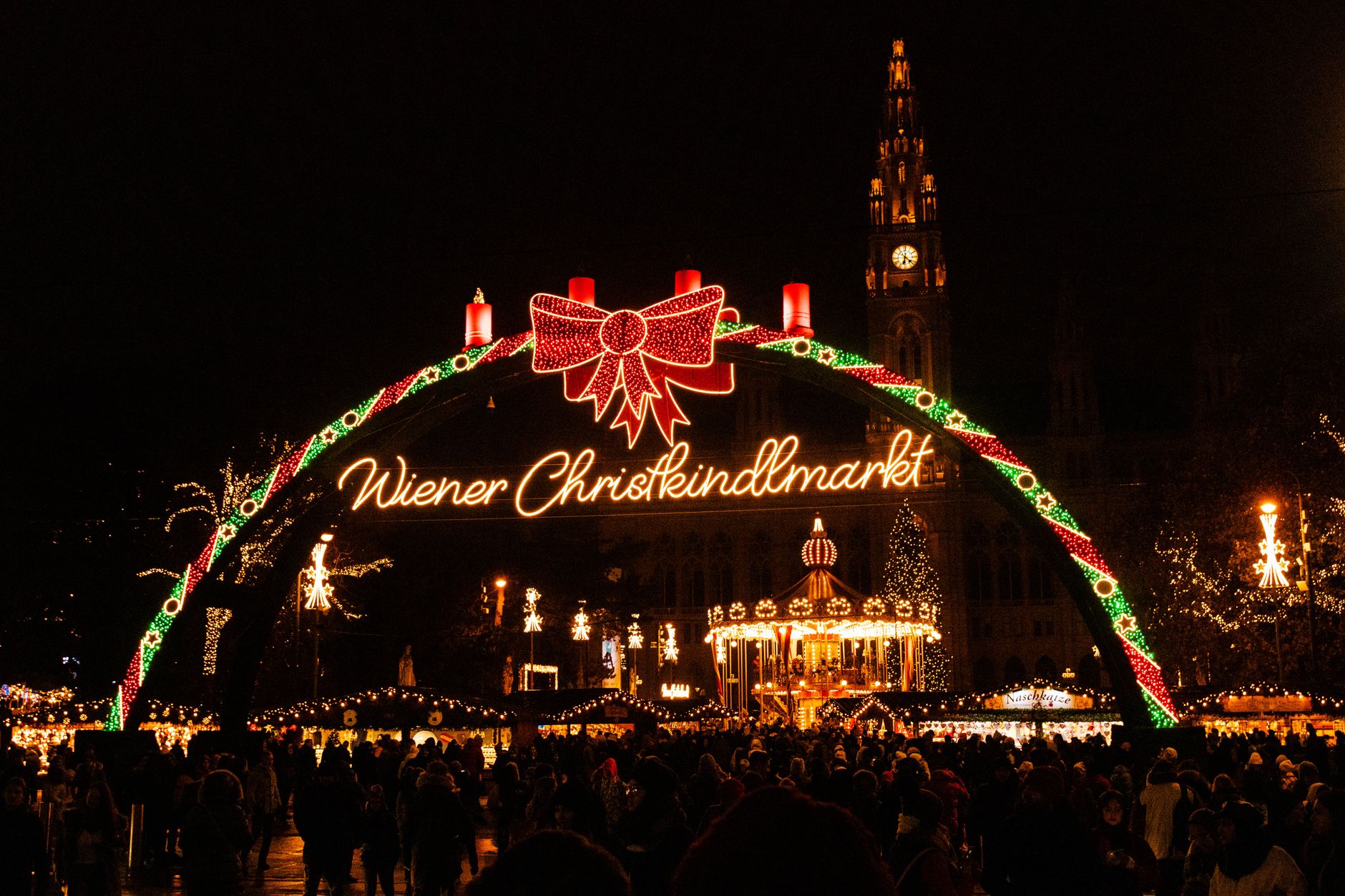
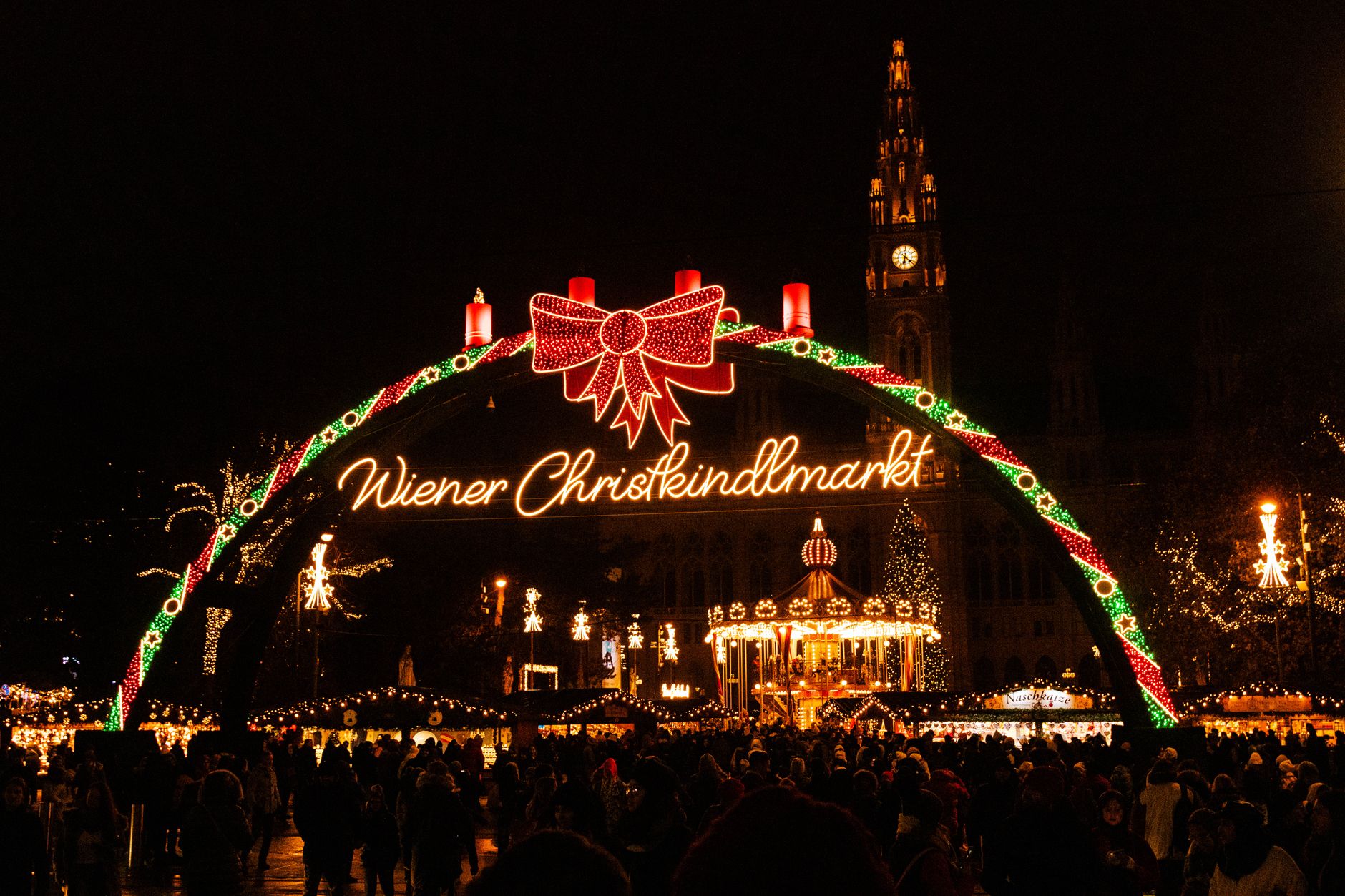
Christkindlmarkt am Rathausplatz Austria

Christkindlmarkt am Rathausplatz

This is Vienna’s largest market, featuring a two-story carousel and a 3,000-square-meter ice skating rink. Look up for the ‘Herzerlbaum’ (tree of glowing hearts) in the flanking park; an illuminated red heart floats from the tree every 30 minutes after sunset. Avoid the Rathausplatz tram stop at peak times—it’s frequently closed for crowd control, so use Schottentor or Parlament instead.

Spittelberg Christmas Market Austria

Spittelberg Christmas Market

Located in the trendy 7th district, this market features around 125 stalls—actually more than the redesigned Rathausplatz, which was scaled down to 100 stalls to prevent overcrowding. It winds through narrow Biedermeier-style cobblestone alleys, offering a cozy, village-like atmosphere. Enter from Burggasse onto Gutenberggasse to bypass the worst bottleneck crowds, and look for the legendary Gözleme stand serving handmade Turkish flatbreads.

Art Advent at Karlsplatz Austria

Art Advent at Karlsplatz

This market is strictly dedicated to certified organic food and high-quality, juried local crafts. It features a giant straw playground in the center, making it highly family-friendly. Skip the generic sausages here and head straight for the organic Raclette stand, where bubbling Swiss cheese is scraped directly from a massive wheel onto thick slices of rustic sourdough bread.

Schönbrunn Palace Christmas Market Austria

Schönbrunn Palace Christmas Market

Set against the grand imperial backdrop of the Habsburgs’ summer residence, this market offers premium crafts and stays open until January 6th as a New Year’s market. Visit in the late afternoon (around 3:30 PM) to watch the sunset illuminate the yellow palace facade, then stay as the imperial Christmas tree lights up. Pair this with a self-guided Grand Tour of the palace to warm up.

What to Eat and Drink

Market food is heavy, salty, and designed to keep you warm. Don’t waste your appetite on generic fries—stick to the Austrian classics.

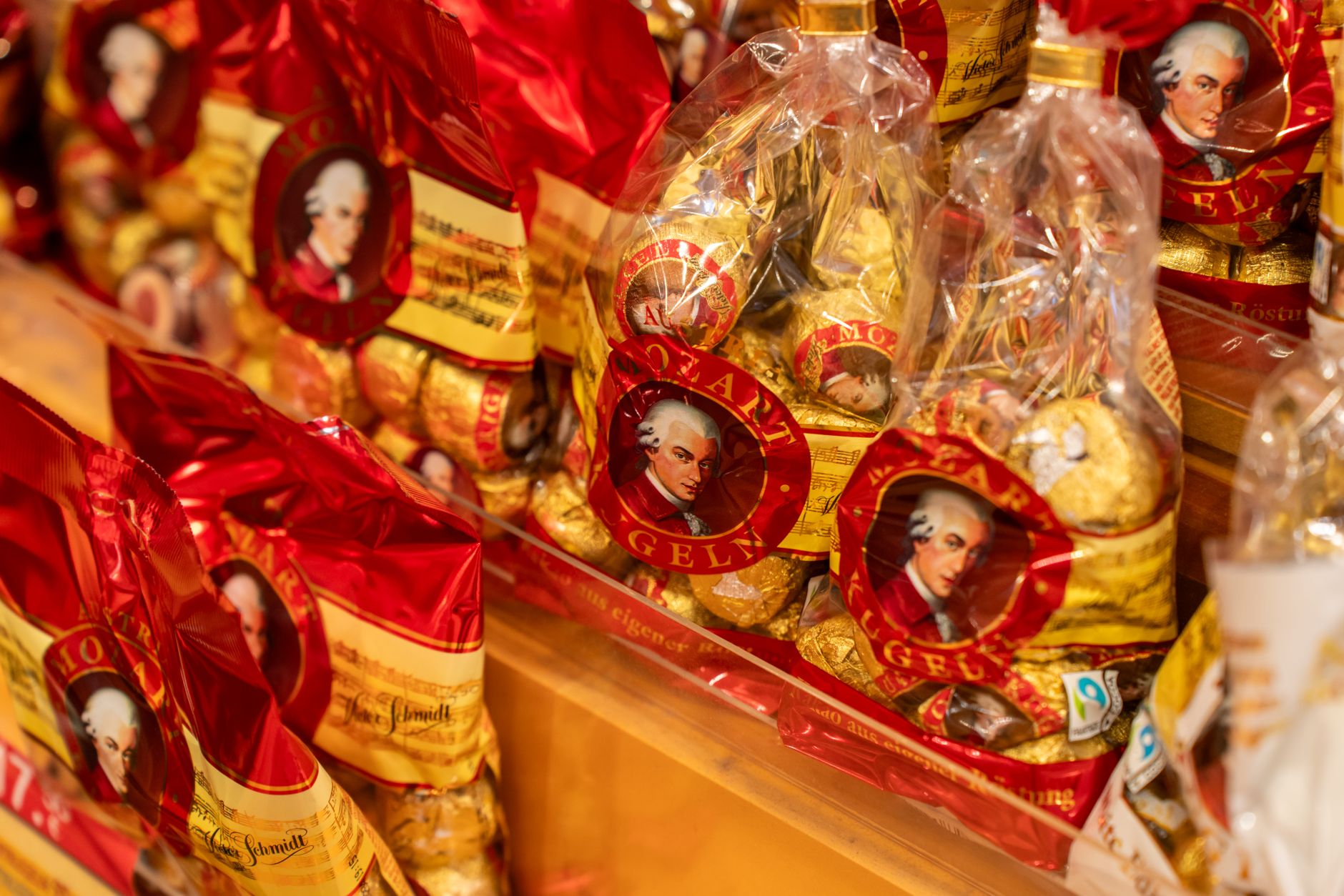
Käsekrainer Austria food

Käsekrainer (€5–€8)

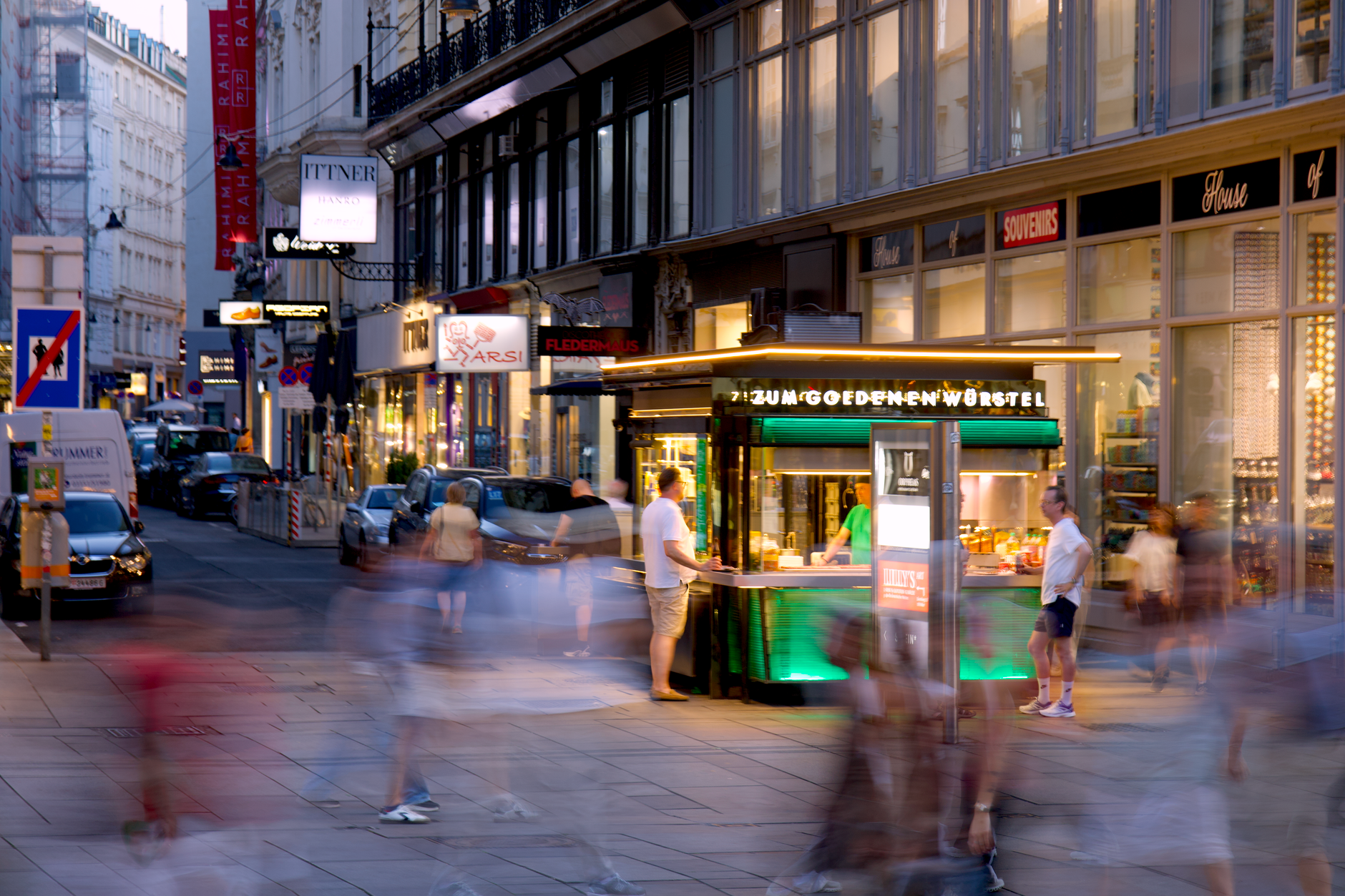
This is a classic Austrian pork sausage stuffed with small cubes of Emmental cheese that melt and ooze out when grilled. For better prices and shorter lines, buy them from traditional ‘Würstelstands’ (sausage stands) located just outside the market gates.

Maroni Austria food

Maroni (€3–€5)

Sweet chestnuts roasted over open embers in metal drums, served hot in a paper cone (Stanitzel). You’ll find these at street corners and market entrances throughout Vienna.

Kartoffelpuffer Austria food

Kartoffelpuffer (€4–€6)

Thick, crispy, shallow-fried potato pancakes. Head to the dedicated potato stalls at Karlsplatz and Rathausplatz to get them fresh and piping hot.

Punsch & Glühwein (with the Pfand system) Austria food

Punsch & Glühwein (€4–€8)

Warm spiced wine (Glühwein) or sweet fruit punch spiked with rum (Punsch), served in custom ceramic mugs (Häferl). Each market has its own uniquely designed annual mug, requiring a €3–€5 refundable deposit (Pfand) when you order.

Crucial Logistics & Transit Hacks

Vienna is incredibly efficient, but they’ve made some major changes recently that will catch you off guard if you rely on old guidebooks.

Important Transit Change As of January 1, 2026, Vienna’s public transit authority (Wiener Linien) has completely discontinued the popular 48-hour and 72-hour transit tickets. You must now rely on 24-hour passes or single-ride tickets to get around.

When arriving at Vienna Airport, the cheapest way to the city center is the S-Bahn S7 train (approx. €4.40). However, a standard Vienna city transit ticket does not cover the airport zone. You must purchase an additional single ticket or a ‘supplement’ ticket before boarding, or face a hefty fine.

For accommodation, skip the overpriced Innere Stadt. Stay in Neubau (7th District) or Josefstadt (8th District) instead. They are historic, trendy, less crowded, and within walking distance of both the Spittelberg and Rathausplatz markets.

While craft vendors increasingly accept credit cards, food and drink stalls heavily prefer or exclusively accept cash. Keep €20–€30 in small bills and coins on hand for rapid transactions and mug deposits. When dining in sit-down cafes, tip by rounding up the bill by 5% to 10% (e.g., round a €18.50 bill to €20) and tell the waiter the total amount as you pay—never leave cash on the table.

Safety & Scams to Avoid

Vienna is generally very safe, but the massive holiday crowds attract professional pickpocket duos. Watch out for these three specific tricks.

The ‘Rempel’ (Jostling) Trick

This occurs in crowded queues at punch stalls and narrow pathways, especially at Rathausplatz and Stephansplatz. Keep your wallet and phone in zippered inner jacket pockets. If someone bumps into you or stumbles in front of you, immediately check your belongings.

The ‘Spoiler’ (Spill) Trick

Be wary of strangers who ‘accidentally’ spill mustard, ketchup, or hot punch on your coat in busy food areas and aggressively offer to help clean it up. This is a classic distraction tactic used by pickpocket duos to swipe your valuables while you are distracted.

Aggressive Mug Deposit Scams

At unofficial or rogue drink stalls near the periphery of major markets, ensure the vendor hands you a plastic token (Pfandmarke) when you buy a drink. Some stalls will refuse to refund your €3–€5 mug deposit if you try to return the mug without the matching token.

Frequently Asked Questions

What is the best area to stay in Vienna for the Christmas markets?

Neubau (7th District) and Josefstadt (8th District) are the best neighborhoods. They are historic, trendy, and within walking distance of major markets like Spittelberg and Rathausplatz, while being well-connected by the U-Bahn.

Do Vienna Christmas markets accept credit cards?

While craft vendors increasingly accept cards, food and drink stalls heavily prefer or exclusively accept cash. Always keep €20–€30 in small bills and coins on hand for quick transactions and mug deposits.

How do you get from Vienna Airport to the city center cheaply?

The cheapest option is the S-Bahn S7 train for about €4.40. Just remember that a standard Vienna city transit ticket does not cover the airport zone, so you must purchase an additional supplement ticket before boarding.

Staying Connected in Austria

Austria enforces a strict mandatory biometric and passport registration law for all prepaid SIM cards. This means you can’t simply plug and play a local physical SIM without completing a tedious ID verification process, and buying one at Vienna Airport is an expensive tourist trap. To bypass the bureaucracy entirely, grab an Austria eSIM from Galactic Roam before you fly, giving you instant data the second you land without any paperwork.
Get your Austria eSIM


Pakistan Travel Guide: How to Navigate the Karakoram Highway and Historic Cities

Pakistan’s international tourist arrivals surged by 820% in 2025, welcoming over 1 million visitors. I spent months navigating this country to see if the hype is real—and let me tell you, winging it here will eat you alive. This practical Pakistan travel guide cuts through the online noise to give you the exact logistics, scams, and mountain routes you need to survive.

Quick Facts — Pakistan

Currency
Pakistani Rupee (PKR)
Language
Urdu, English
Time zone
GMT+5
Plug type
C, D, G
Best time to visit
April to October
Visa
e-Visa required
820%
Visitor Growth
4,693m
Max Altitude
1,300km
KKH Length
$4.91B
Market Size

Historic Cities & Mughal Wonders

Most travelers land in Islamabad or Lahore. These cities are chaotic, loud, and thick with history, but they require some strategy to enjoy without burning out.

Lahore Fort (Shahi Qila) Pakistan

Lahore Fort (Shahi Qila)

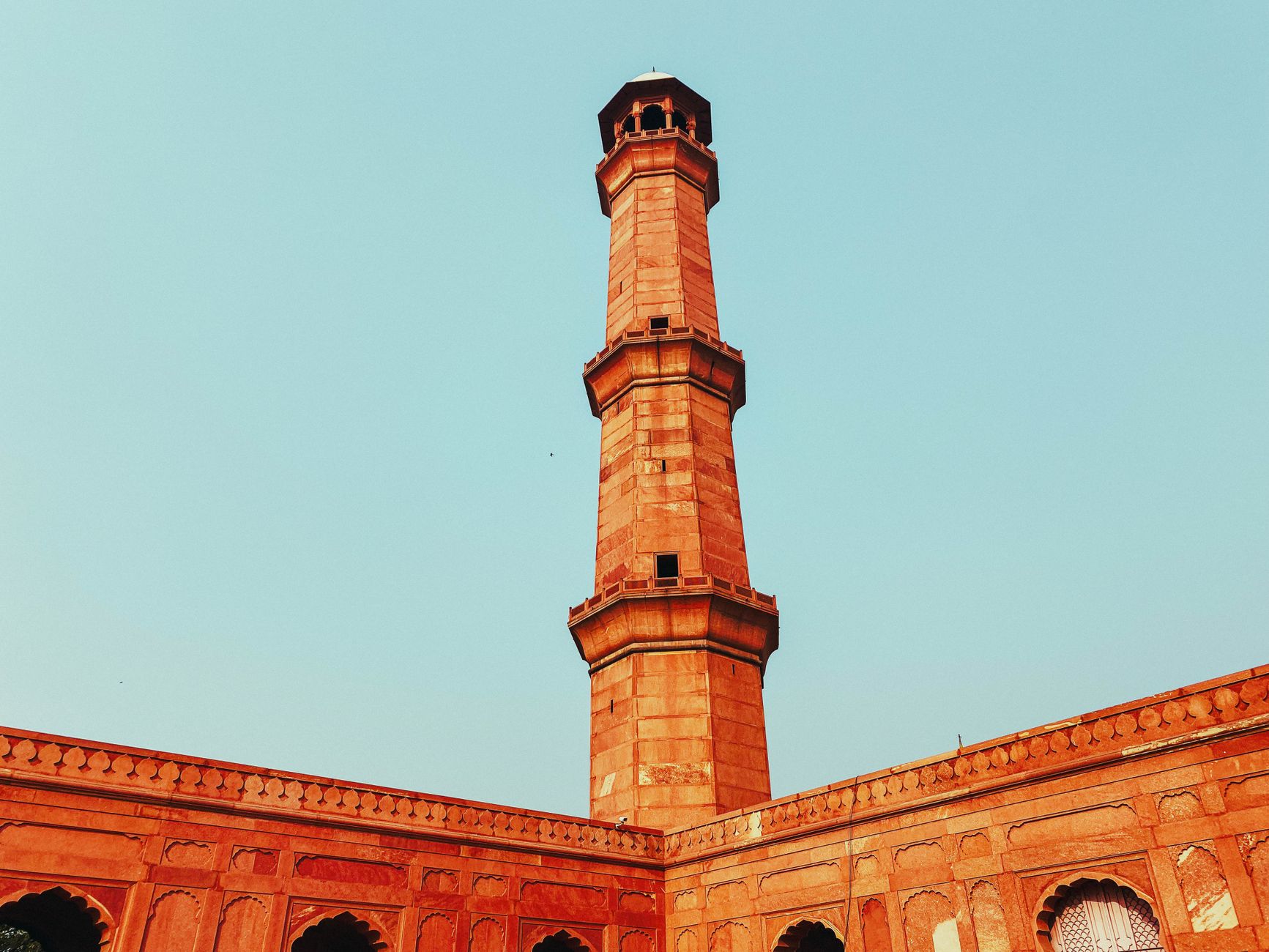
This massive Mughal citadel features the Sheesh Mahal and the restored Picture Wall. Don’t just stick to the main path. Ask the guards to show you the entrance to the ‘Summer Palace’—the labyrinthine underground chambers beneath the fort that are significantly cooler and feel like a secret world.

Faisal Mosque (Islamabad) Pakistan

Faisal Mosque (Islamabad)

A contemporary Bedouin tent-inspired mosque set against the Margalla Hills. Non-Muslims are welcome inside the main prayer hall but only outside the five daily prayer times. Skip the loaner shawls at the gate and bring your own modest clothing. Visit in the late afternoon when the golden light hits the white marble.

The Karakoram Highway & Hunza Valley

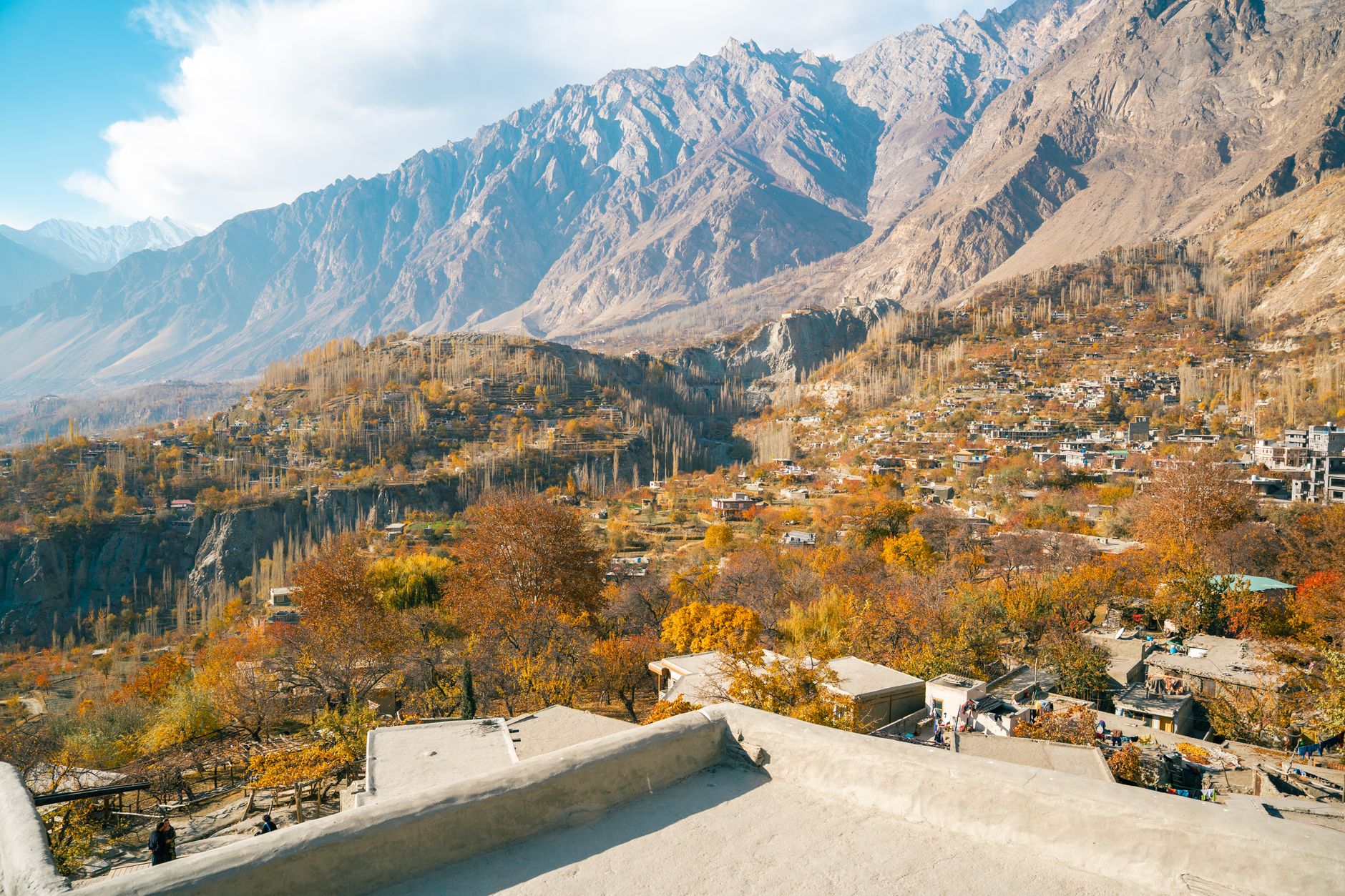
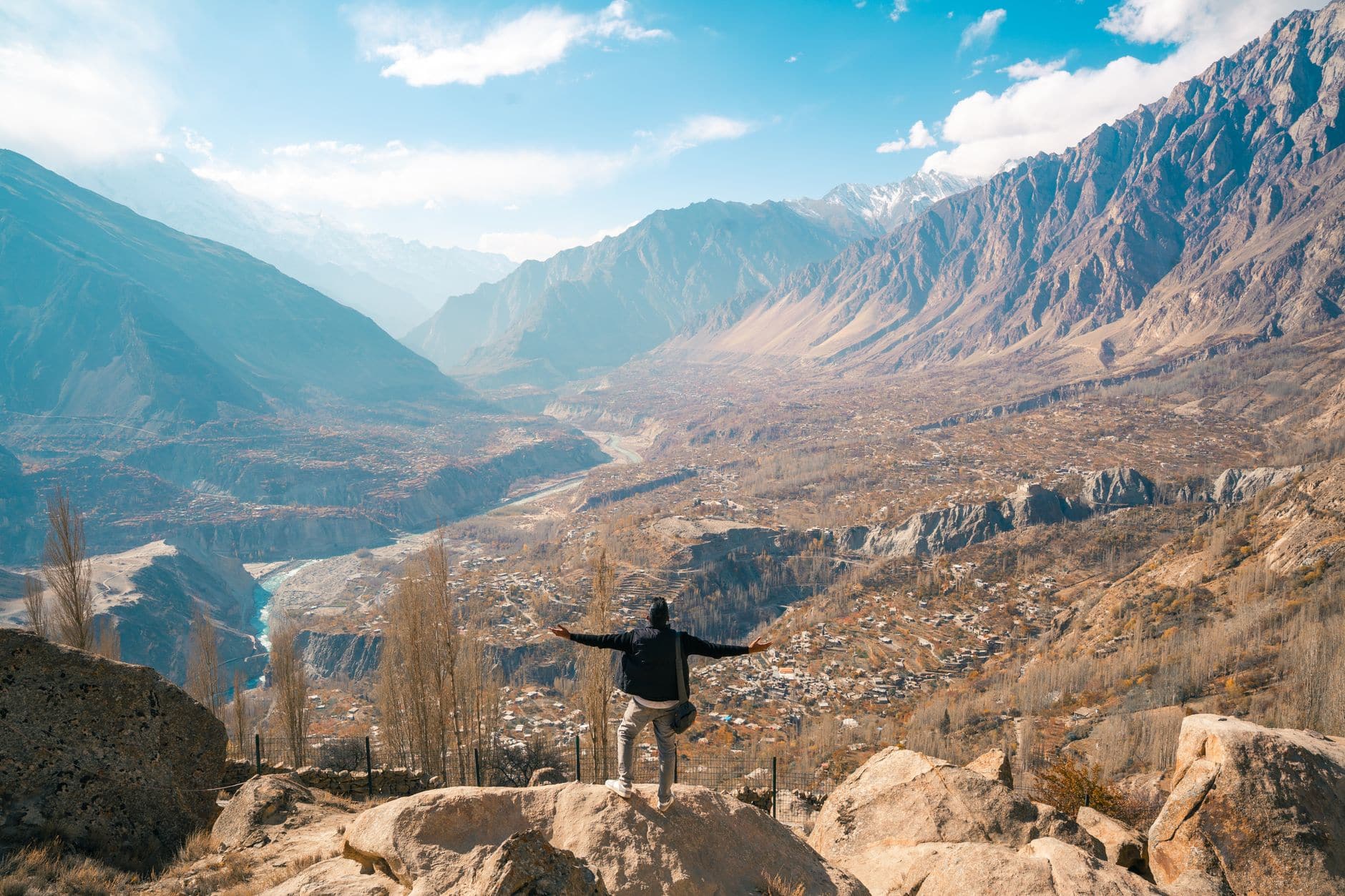
The Karakoram Highway (KKH) stretches 1,300 kilometers from Hasan Abdal to the Chinese border. It reaches its highest point at the Khunjerab Pass, sitting at a dizzying 4,693 meters. Due to extreme weather, the pass is completely closed to travelers from November to March.

Baltit Fort (Karimabad, Hunza Valley) Pakistan

Baltit Fort (Hunza Valley)

A 700-year-old architectural marvel with Tibetan-Balti influences. To avoid the steep climb in the midday heat, visit either early morning (9:00–11:00 AM) or late afternoon (3:00–5:00 PM). Hire a local guide at the entrance to find the hidden escape door and hear the oral histories of the royal family.

What to Eat

Pakistani food is heavy, meat-centric, and intensely spiced. Do not expect light meals here.

Nihari Pakistan food

Nihari

A rich, slow-cooked beef or mutton stew simmered overnight with bone marrow and spices. Traditionally eaten for breakfast. Head to Waris Nihari in Lahore or Javed Nihari in Karachi. Expect to pay $1.50–$3.50.

Chapli Kebab Pakistan food

Chapli Kebab

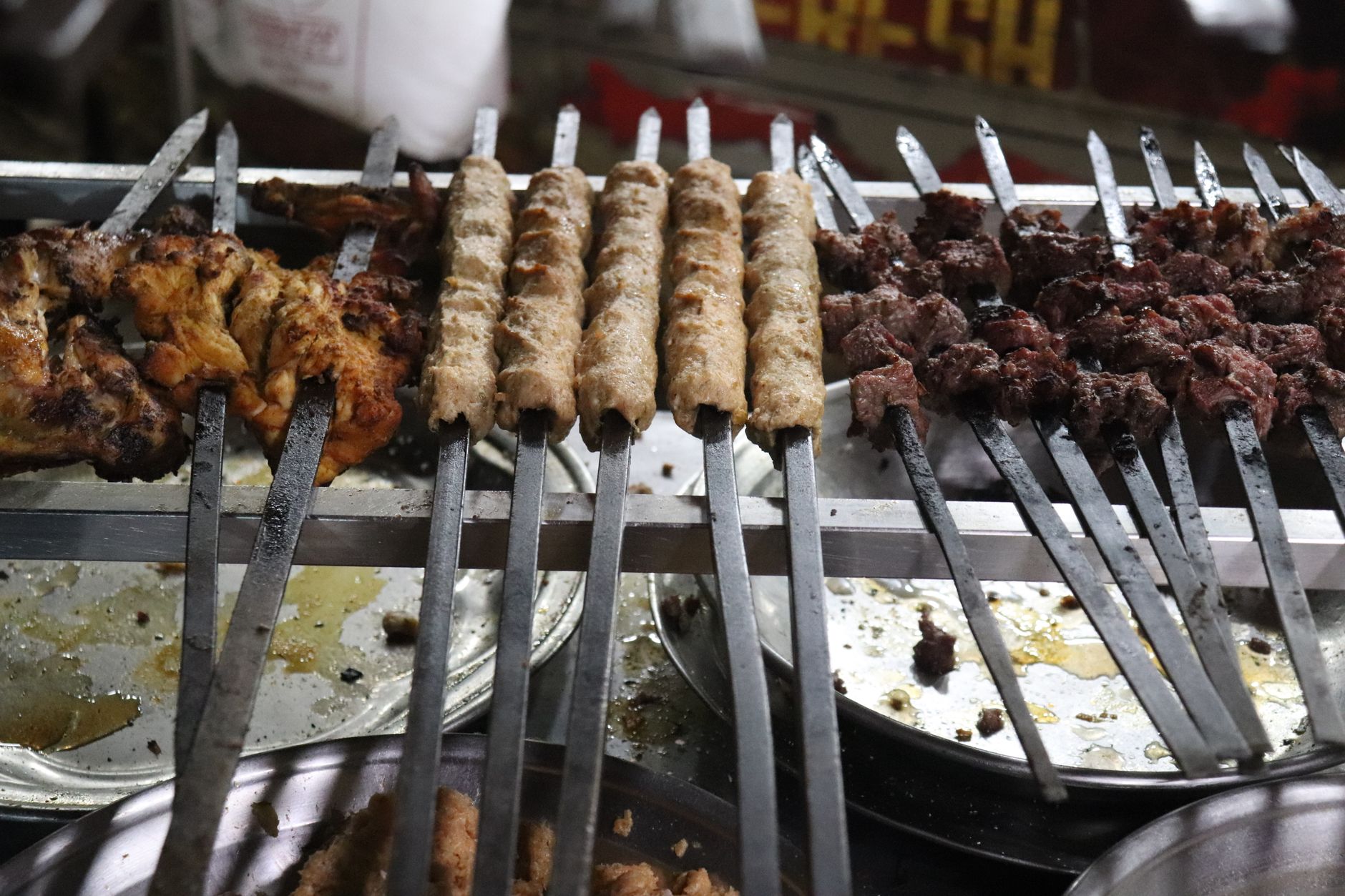
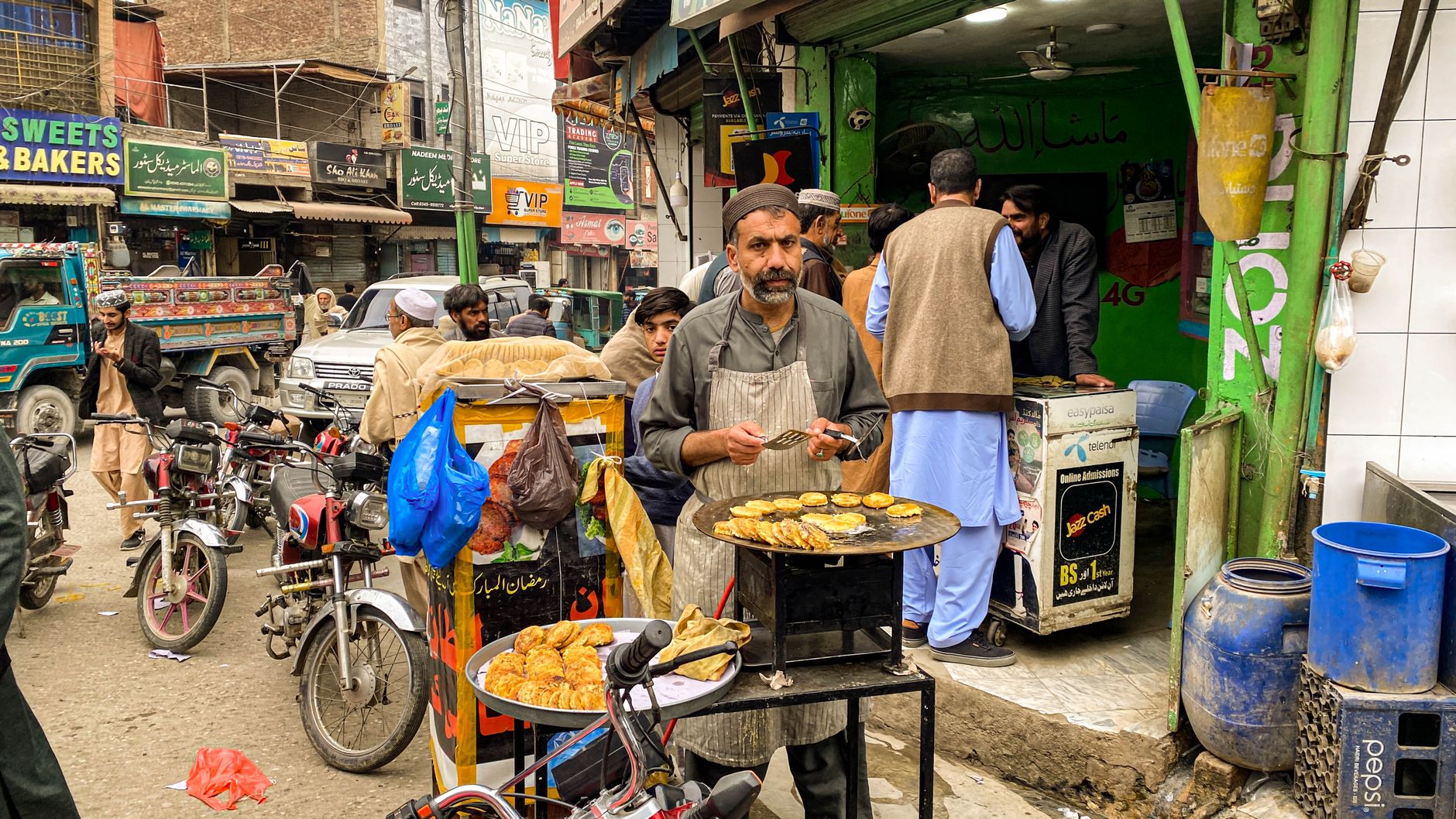
Large, flat, patty-style minced beef or mutton kebabs seasoned with pomegranate seeds, coriander, and green chilies. Shallow-fried in animal fat. Get them at Jalil Kabab House in Peshawar for $1.00–$2.50.

Sindhi Biryani Pakistan food

Sindhi Biryani

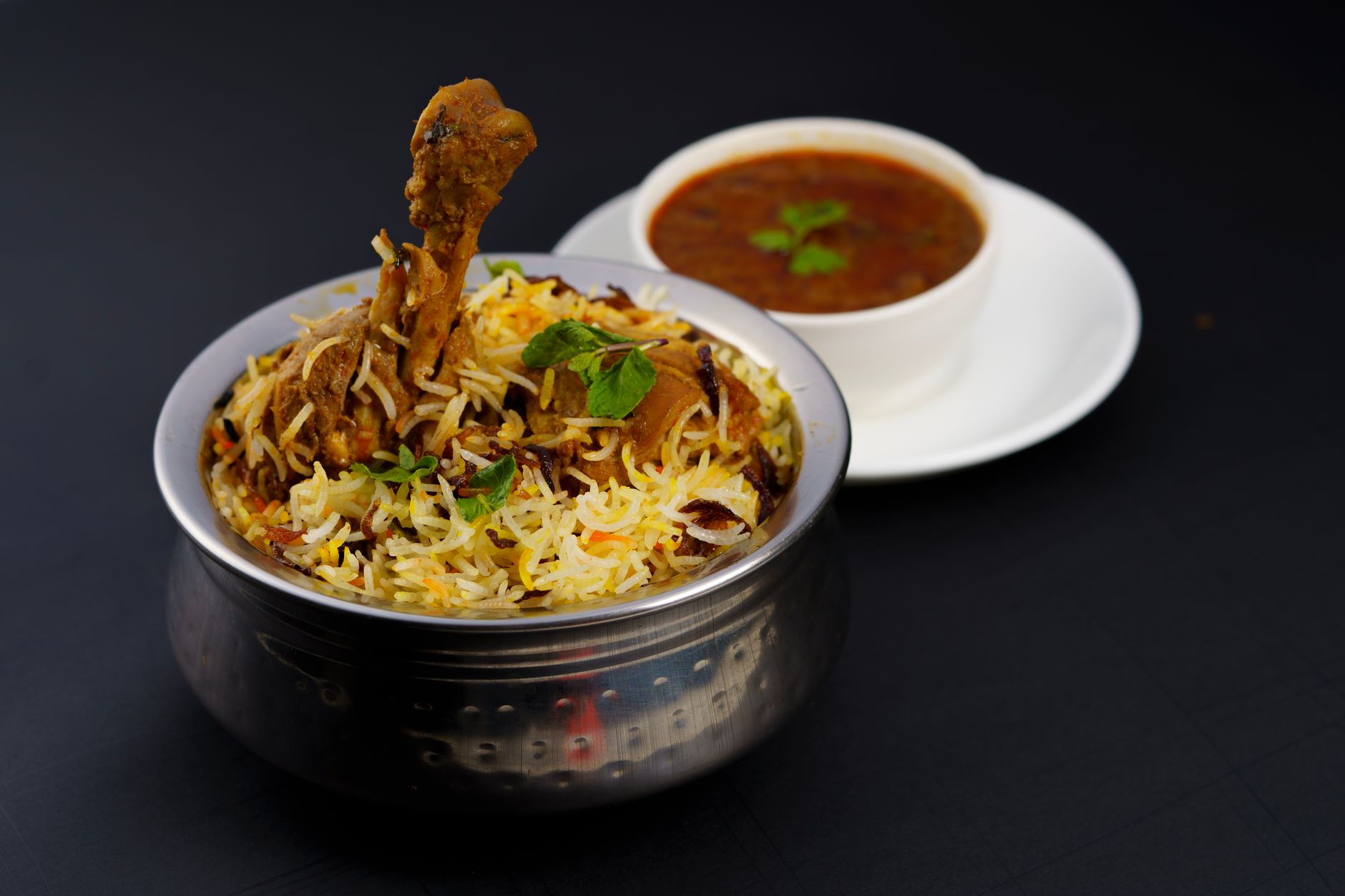
A highly aromatic, spicy rice dish layered with meat, potatoes, plums, and yogurt. It is famous for its fiery spice level. Al Rehman Biryani in Karachi serves the best version for $1.00–$2.00.

Safety, Scams & Survival Rules

Pakistan is generally welcoming, but urban centers and mountain passes present unique hazards. You need to keep your wits about you.

Overpriced Taxi Fares

At airports and busy markets in Lahore, Karachi, and Islamabad, drivers will quote astronomical rates. Avoid random street cabs. Use ride-hailing apps like Careem, inDrive, or Yango to get transparent pricing.

The Milk Powder Scam

In Saddar (Karachi) or the Walled City of Lahore, a mother holding a baby will ask you to buy milk powder instead of giving cash. She will lead you to a specific shop where the milk is sold at an absurdly inflated price. Once you leave, she returns it to split the profit with the shopkeeper. Politely decline.

Night Driving on the KKH

The sections between Dasu and Chilas are notoriously dangerous after dark. The road lacks guardrails, rockfalls are impossible to spot, and massive cargo trucks dominate the narrow lanes. Ensure your itinerary has you at your destination before dusk.

Logistics & Connectivity

Pakistan is overwhelmingly a cash-based economy. While high-end hotels in Islamabad accept credit cards, ATMs in the northern areas frequently reject foreign cards. Always carry plenty of cash in Pakistani Rupees (PKR), especially in small denominations like 100, 500, and 1000 PKR notes.

When arriving at the airport, avoid the aggressive taxi drivers in the arrivals hall. Use the airport’s free Wi-Fi to book a ride via Careem or inDrive. A ride to central Islamabad or Lahore typically costs around $5.00–$10.00.

For connectivity, local physical SIM cards cost $1.50–$5.00, but they come with a massive catch. Pakistan operates the Dirbs system. If you use a local physical SIM, your phone’s Imei must be registered with the PTA within 60 days, or your device will be blocked from local networks entirely.

Furthermore, standard commercial SIMs have zero coverage in Gilgit-Baltistan. To get online in the mountains, you must buy a specialized Scom SIM card, which requires biometric fingerprint verification and passport copies.

Local Physical SIMGalactic Roam eSIM
Cost$1.50 – $5.00From $8
ActivationIn-store queuingInstant, pre-arrival
Dirbs RegistrationRequired within 60 daysNone (Bypassed)
Ready on arrivalNoYes
Biometrics NeededYes (Fingerprints)No

Frequently Asked Questions

Is Pakistan safe for solo travelers?
Yes, but you must plan your logistics carefully. Stick to reputable ride-hailing apps in cities, avoid driving the Karakoram Highway after dark, and respect local dress codes to avoid unwanted attention.
When is the best time to visit the Hunza Valley?
The prime seasons are spring (April to May) and autumn (October to November) when the foliage turns gold. Avoid winter, as the Khunjerab Pass and many mountain roads close completely due to heavy snow.
How do I get around the northern areas?
Public transport is highly limited in the mountains. Most travelers either hire a private 4×4 driver from Islamabad or use local shared jeeps, though the latter can be incredibly slow and crowded.
Do I need to carry cash everywhere?
Absolutely. Pakistan is heavily cash-based, and ATMs in northern towns like Karimabad or Chilas regularly fail or reject foreign cards. Always carry small PKR notes.

Navigating the mountains is hard enough without worrying about your phone getting blocked by local authorities. To bypass the frustrating Dirbs registration process entirely, grab a Pakistan eSIM from Galactic Roam before you fly. It connects automatically when you land, keeping you online in major cities without the bureaucratic headache.

Get your Pakistan eSIM


South Africa Travel Guide: How to Plan the Ultimate Cape to Safari Adventure

South Africa Travel Guide: How to Plan the Ultimate Cape to Safari Adventure

South Africa welcomed over 7.5 million international tourists in the first eight months of 2026 alone. Winging a trip to a country this massive and logistically complex will absolutely eat you alive. I’ve spent months navigating the Cape’s coastal roads and the dusty tracks of the bush to write this honest South Africa travel guide. Here is how to dodge the tourist traps, outsmart the local scammers, and plan an adventure that actually lives up to the hype.

Quick Facts — South Africa

Currency
South African Rand (ZAR)
Language
12 official languages (English widely spoken)
Time zone
GMT+2
Plug type
Type D, M, N
Best time to visit
May to September (Safari)
Visa
Visa-free for many western nations up to 90 days

The Cape’s Best Spots (And the Traps to Skip)

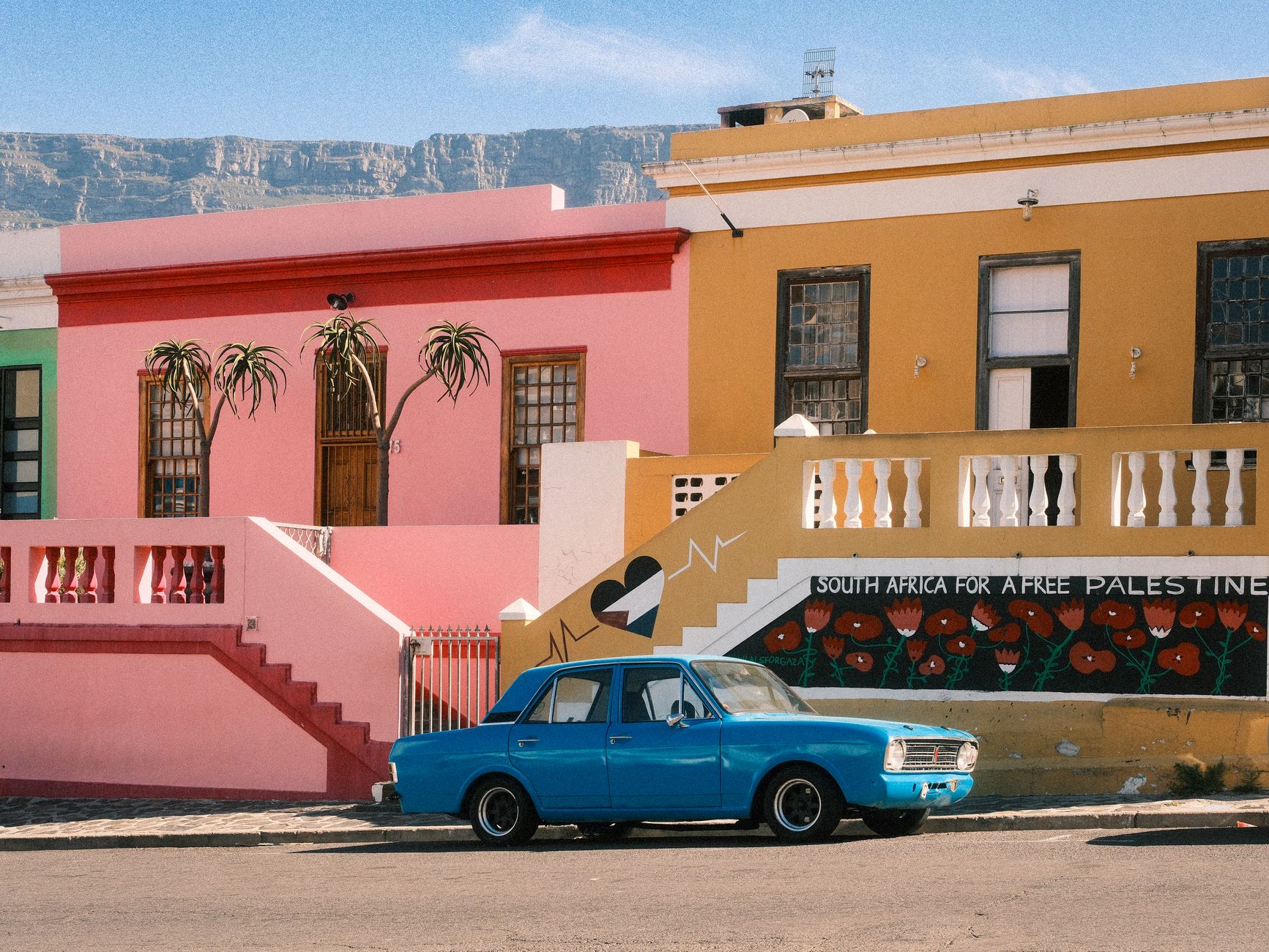
Cape Town is gorgeous, but it’s easy to waste time on overhyped experiences. Take Bo-Kaap, for example. Everyone goes to snap photos of the brightly colored houses on Wale Street, which is fine if you like fighting tour buses for a clean shot.

But the real story is much deeper. Arrive before 9:00 AM to beat the crowds and head straight to the Bo-Kaap Museum. Housed in the oldest intact building in the area (dating back to the 1760s), it explains the Islamic heritage and the history of the enslaved people who painted their homes as a celebration of freedom.

Bo-Kaap (Cape Town) South Africa
The brightly painted historic homes of the Bo-Kaap neighborhood in Cape Town.

Then there’s Boulders Beach in Simon’s Town. Most tourists pay the entry fee and crowd onto the main boardwalk at Kleintuin Road to see the endangered African penguins.

Skip that. Walk right past the main entrance to Windmill Beach nearby. It’s completely free to access, far less crowded, and you can actually swim in the sheltered cove right alongside the penguins.

Boulders Beach (Simon's Town) South Africa
African penguins standing on the granite boulders of Simon’s Town.

Safari Done Right: Kruger National Park

Kruger is South Africa’s premier Big Five safari destination, but the southern region can feel like a parking lot. Heavily congested gates like Paul Kruger Gate often lead to dozens of safari vehicles crowding around a single lion sighting.

For a better experience, enter through the northern gates in Limpopo, such as Pafuri or Phalaborwa. The vegetation here is unique—featuring stunning fever tree forests—and the crowds are virtually non-existent.

Kruger National Park (Northern Region, Limpopo) South Africa
Elephants gathering at a watering hole in the northern region of Kruger National Park.

Keep in mind that tipping is customary on safari. Budget ZAR 120–250 ($7–$15 USD) per person per day for your guide, and ZAR 60–120 ($3–$7 USD) for the tracker. Tip them in cash at the end of your stay.

Good to Know To legally work as a tourist guide in South Africa, individuals must obtain a Cathsseta-accredited qualification (like the Nature Site Guide NQF2) and register with the National Department of Tourism. Always ask your lodge if their guides are registered.

What to Eat (And Where to Get It)

South African food is a heavy, spiced, glorious reflection of its history. Don’t leave without trying these three staples.

Bunny Chow South Africa food

Bunny Chow

A hollowed-out quarter loaf of white bread filled with rich, spicy Durban curry. Grab one at the Eastern Food Bazaar in Cape Town for ZAR 40–120 ($2–$7 USD).

Bobotie South Africa food

Bobotie

Spiced minced meat baked with a savory egg custard topping. Try it at Biesmiellah in Bo-Kaap for ZAR 120–220 ($6–$12 USD).

The Gatsby South Africa food

The Gatsby

A legendary foot-long sub roll stuffed with masala steak, fries, and spicy sauces. Share it at Mariam’s Kitchen for ZAR 80–150 ($4–$8 USD).

Safety Warnings: Three Scams to Avoid

South Africa has a reputation for crime, but most of what you’ll encounter are highly organized opportunistic scams. Keep your wits about you and watch out for these three setups.

The Fake Parking Attendant Scam

Scammers wearing reflective vests at Lions Head or Simon’s Town will claim you need to pay for parking or buy a “permit to walk” using a handheld card machine. Legitimate city parking attendants wear branded vests and never demand card payments on the spot for walking permits.

Car Remote Jamming

At gas stations and beach parking lots, criminals use household remote signals to block your key fob’s locking signal. You’ll walk away thinking your car is secure when it’s wide open. Always physically pull the door handle to verify it’s locked before walking away.

ATM Distraction Teams

On Long Street, scammers work in pairs to “help” you with a jammed machine or distract you by dropping cash. While you’re looking away, they swap your card or memorize your PIN. Firmly refuse any help at an ATM, and cancel the transaction immediately if anyone gets too close.

Getting Around Safely

Do not take unlicensed taxis from the airport. Instead, use official ride-hailing apps like Uber or Bolt, which are safe and widely available at OR Tambo in Johannesburg and Cape Town International Airport. An Uber from Cape Town Airport to the CBD will cost you roughly ZAR 150–250 ($8–$13 USD).

When driving, you’ll encounter petrol attendants who pump your gas and informal car guards who watch your vehicle in public lots. It is customary to tip them ZAR 5–10 ($0.30–$0.60 USD) in cash. Keep small coins handy in your console for this.

Frequently Asked Questions

What is the best time of year to visit South Africa?
The dry winter months from May to September are best for safaris because animals gather around waterholes and the bush is thin. For Cape Town and the beaches, visit during the warm summer months from November to March.
Is loadshedding going to affect my phone signal?
Yes. Scheduled rolling blackouts (loadshedding) directly degrade mobile networks because cell tower backup batteries don’t have enough time to fully recharge between cuts. This often leads to complete signal loss or slow 2G speeds during power outages.
How do I get a local SIM card in South Africa?
You can buy a physical SIM at the airport for ZAR 20 to ZAR 100, but you must undergo strict Rica registration. This requires presenting your physical passport and official proof of accommodation to the store clerk before the line can be activated.

Stay Connected Without the Hassle

Dealing with Rica registration paperwork at the airport is a frustrating way to start your trip, and relying on local towers during loadshedding can leave you stranded without maps. A much simpler option is to grab a South Africa eSIM from Galactic Roam before you fly. It bypasses the registration queues entirely, connects automatically to the strongest available network when you land, and keeps you navigating the Cape safely from day one.

Get your South Africa eSIM


Oaxaca Day of the Dead Guide: How to Experience Día de los Muertos Like a Local

Oaxaca Day of the Dead Travel Guide: How to Explore Like a Local

Oaxaca welcomed over 89,000 visitors for its last Day of the Dead, turning a quiet colonial city into pure logistical chaos. If you arrive without a solid plan, the sheer volume of people will eat you alive before you even see a single candle. I spent three weeks navigating Oaxaca’s crowded markets and remote village cemeteries to write this realistic Oaxaca Day of the Dead travel guide. Here is how to avoid the classic rookie mistakes, dodge the tourist traps, and experience this sacred festival like an actual local.

Quick Facts — Mexico

Currency
Mexican Peso (MXN)
Language
Spanish
Time zone
CST (UTC-6)
Plug type
Types A and B
Best time to visit
October 31 – November 2
Visa
FMM tourist card (free for most)

The Reality of Día de los Muertos in 2026

The upcoming Día de los Muertos festival (October 31 – November 2, 2026) is highly anticipated, with Oaxaca City hosting over 140 cultural events. You can expect to see the famous 250-square-meter sand carpet in the Jalatlaco neighborhood and the massive Paseo de las Ánimas parade. But don’t expect a quiet, solemn affair—this is a high-energy celebration of life and memory.

Statistically, Oaxaca is remarkably safe. The city has a municipal homicide rate of 9.4 per 100K, making it safer than other major festival destinations like Mexico City (12.9) or San Miguel de Allende (14.2). Still, the crowds require smart preparation.

89K+
Visitors
140+
Events
9.4
Homicide Rate
250m²
Sand Carpet

Cemeteries & Processions: Where to Go (and What to Skip)

Most tourists flock straight to the heavily crowded Xoxocotlán cemeteries. Skip the worst of the crowds and head to these alternatives instead.

San Agustín Etla (La Muerteada) Mexico
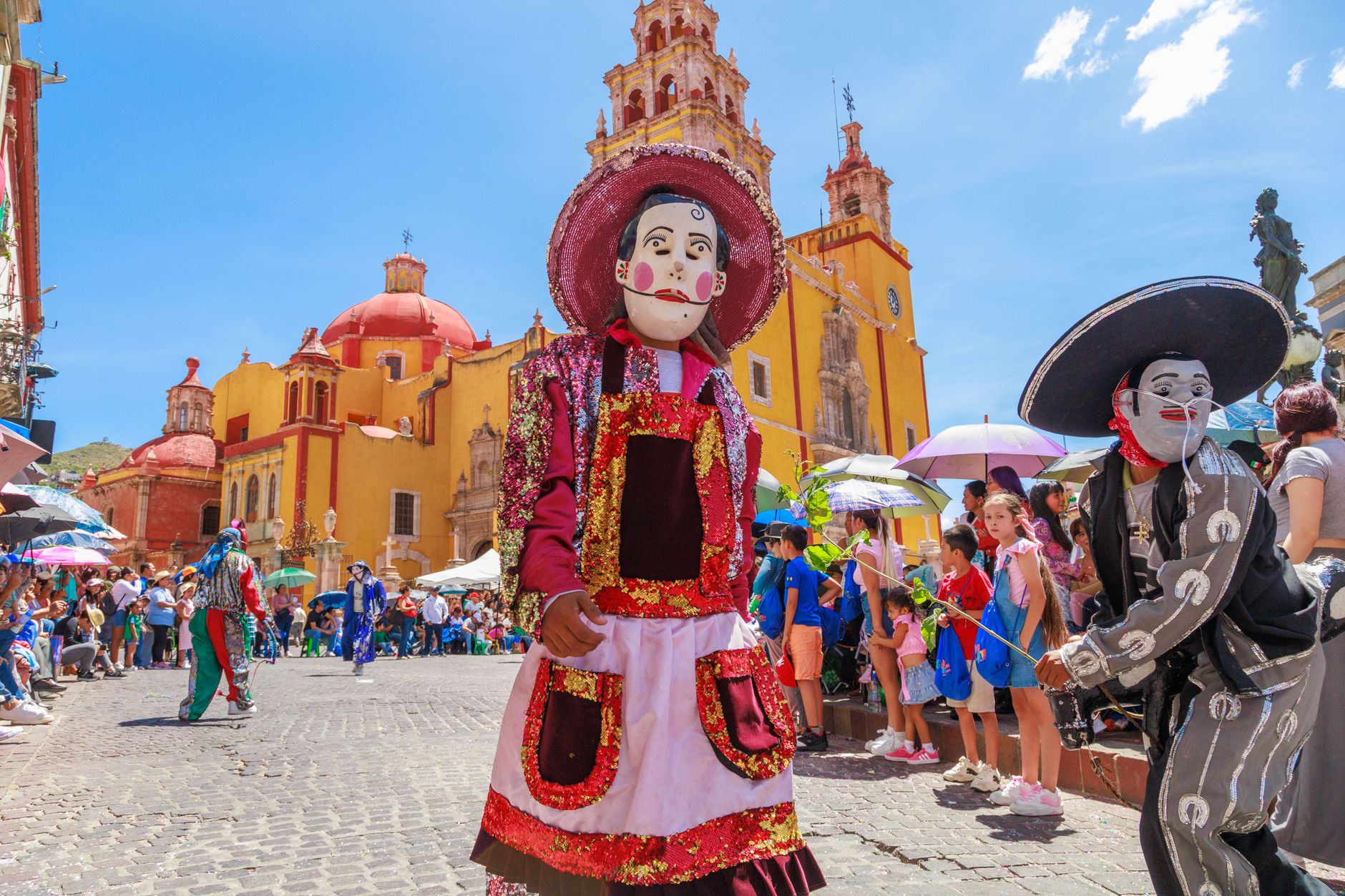
A street parade in Mexico during Day of the Dead celebrations

San Agustín Etla (La Muerteada)

This town hosts a wild, theatrical night procession featuring ‘La Relación,’ a satirical play where characters playfully confront death. It is located 15 to 20 kilometers north of Oaxaca City, taking up to 60 minutes to travel during the festival. Insider tip: Do not rely on hailing a taxi or DiDi to get back at 2 AM or 3 AM; they are virtually non-existent, so arrange a private driver in advance.

San Felipe del Agua Cemetery Mexico
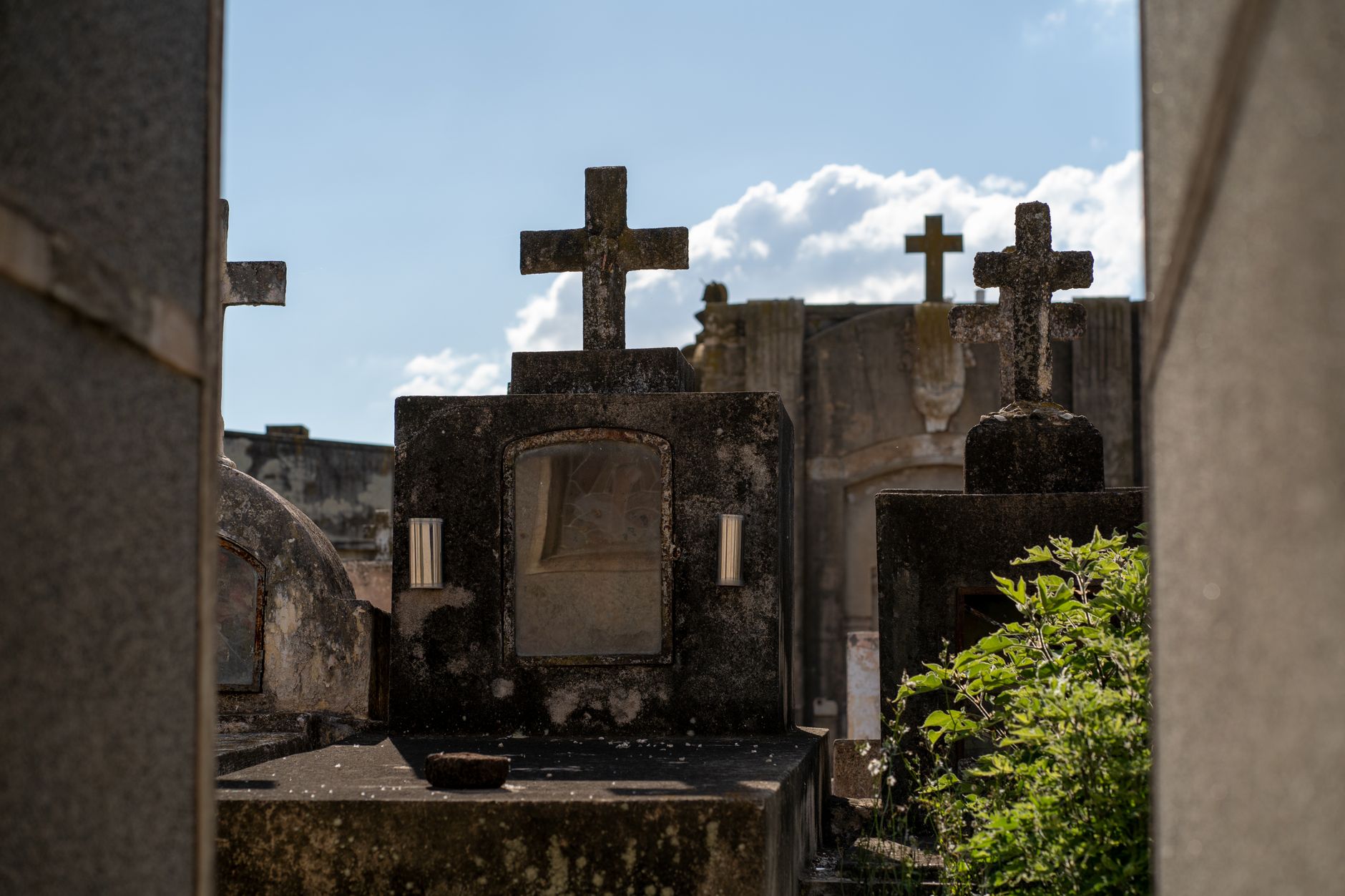
A historic cemetery scene during a quiet vigil

San Felipe del Agua Cemetery

A quieter, more intimate alternative where local families gather for quiet candlelit vigils. Insider tip: If you paint your face like a Catrina for the street parades, you must wash it off before entering this or any other cemetery. Locals view face paint inside sacred burial grounds as highly disrespectful.

What to Eat: Sacred Flavors

Oaxacan food during Day of the Dead is legendary. Skip the generic tourist restaurants and head straight to the markets for these three traditional items.

Pan de Yema con Carita Mexico food
Traditional Mexican pastries in a local bakery

Pan de Yema con Carita ($1.00–$3.00)

A rich, egg-yolk brioche-like bread flavored with anise and decorated with a hand-painted ‘carita’ (little face) representing the soul of the departed. The caritas are made of flour, water, and yeast, with Miahuatlán de Porfirio Díaz being the largest producer of these unique crafts. Find it at Mercado 20 de Noviembre or Panadería Tere in Tlacolula.

Mole Negro Mexico food
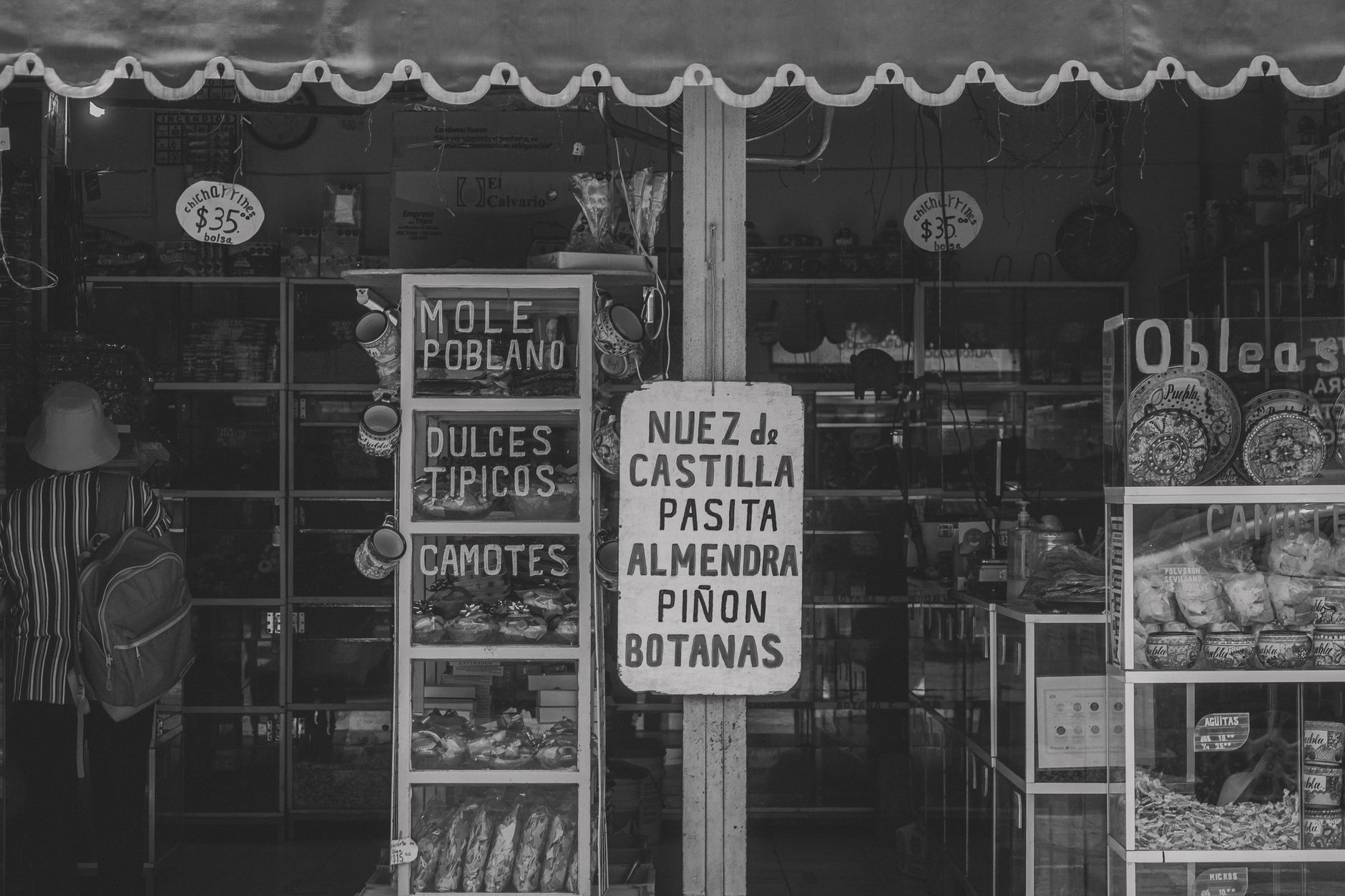
A local grocery store entrance in Mexico

Mole Negro ($6.00–$12.00)

A complex, velvety black sauce made from toasted chilhuacle negro chiles, chocolate, plantains, and spices, served over chicken or folded into tamales. Head to the fondas inside Mercado 20 de Noviembre, specifically Comedor María Teresa, for the most authentic version.

Nicuatole Mexico food
A vendor serving traditional Mexican food at a market table

Nicuatole ($0.80–$1.50)

A pre-Hispanic gelatinous dessert made of ground heirloom corn, sugar, and cinnamon, topped with a bright pink layer colored naturally with cochineal. Grab this sweet treat at the Central de Abastos or Mercado Benito Juárez.

Safety & Scams: Don’t Get Caught Out

While violent crime is low, petty theft and tourist scams spike during the festival. Keep your wits about you and watch out for these three common traps.

Pickpocketing via Distraction

This is highly common in the crowded north end of Central de Abastos and inside Mercado Benito Juárez. Keep your phone in a front pocket, wear a crossbody bag zipped shut in front of you, and step inside a physical shop if you need to look at your phone or pull out cash.

The Pre-Wrapped Fake Mezcal Switch

Scammers at unofficial street stalls around the Zócalo let you taste high-quality artisanal mezcal, but swap it for a cheap, industrial counterfeit bottle wrapped in newspaper and duct tape at checkout. Only buy bottles featuring the official Comercam hologram, ‘Mezcal Artesanal’ label, and specific agave variety.

Taxi Overcharging

Outside the ADO bus terminal and near the Zócalo at night, drivers will try to charge double. Street taxis do not use meters, so always agree on the fare before stepping into the vehicle. Alternatively, use the DiDi app to hail official yellow taxis, which locks in a transparent, pre-calculated price.

Logistics & Cash

Oaxaca International Airport (OAX) is 9 km from Centro. Private airport taxis cost 200–300 MXN ($10–$15 USD) for Zone 1 (Centro) and up to 520 MXN ($26 USD) for Zone 2 (Reforma). Shared colectivos (shuttles) cost 140–200 MXN ($7–$10 USD) per person and drop you directly at your hotel. Buy tickets at the official kiosk inside the arrivals terminal.

Cash is king here. Street food vendors, cemetery stalls, and face painters do not accept cards. ATMs in Centro Histórico frequently run out of cash during the festival due to high demand. Withdraw cash early in the morning or at the airport, and keep small bills (20, 50, and 100 peso notes) handy.

In sit-down restaurants, a 10–15% tip is standard. Check your bill for ‘propina sugerida’ or ‘servicio’ to ensure a tip hasn’t already been added. Tipping is not expected for street food, but rounding up to the nearest 10 pesos is appreciated.

Frequently Asked Questions

Is Oaxaca safe for Day of the Dead?
Yes, it is statistically very safe. Oaxaca City has a municipal homicide rate of 9.4 per 100K, which is lower than Mexico City (12.9) or San Miguel de Allende (14.2). Just watch out for pickpockets in crowded markets.
Can I wear face paint inside the cemeteries?
No, you should not. While face paint is fine for street parades, locals view it as highly disrespectful inside sacred burial grounds like the San Felipe del Agua Cemetery. Wash it off before entering.
How do I get from Oaxaca airport to the city center?
You can take a private airport taxi for 200–300 MXN ($10–$15 USD) to Centro, or a shared colectivo shuttle for 140–200 MXN ($7–$10 USD) per person. Buy your tickets at the official kiosk inside the arrivals terminal.

Stay Connected

A local physical SIM card costs about $8–$15 USD (150–300 MXN) at local Oxxo convenience stores. You’ll get excellent 5G/4G coverage in Oaxaca’s Centro Histórico, but signal drops to weak 3G or no service in the surrounding Sierra Juárez mountain villages. WiFi is generally reliable in modern Centro cafes, but older boutique hotels with thick adobe walls often suffer from dead zones inside rooms.

There are no major app blocks or VPN requirements in Mexico. However, if you are using an eSIM, you must ensure ‘Data Roaming’ is turned ON in your phone settings for the local partner network (usually Telcel or AT&T) to route data properly. If you want to skip the hassle of queuing at an Oxxo and swapping physical cards, grab a Mexico eSIM from Galactic Roam before you fly so you can navigate the moment you land.

Get your Mexico eSIM


Latvia Travel Guide: How to Explore the Baltics’ Cultural Hub

Riga welcomed 1.53 million overnight guests last year, proving this Baltic powerhouse is quietly drawing massive crowds. But if you head into the countryside unprepared, the local laws and logistics will eat you alive. I’ve spent weeks navigating Latvia’s cobblestones, forests, and Soviet-era relics to write this definitive Latvia travel guide. Here is how to survive the scams, eat like a local, and explore the country like a pro.

Quick Facts — Latvia

Currency
Euro (€)
Language
Latvian
Time zone
EET (GMT+2)
Plug type
Type C and F
Best time to visit
June to August
Visa
Schengen Zone

The attractions actually worth your time

Most people stick to Riga’s Old Town, which is pretty but can feel like a medieval theme park. To actually understand Latvia, you need to get out of the tourist bubble.

Start at the Riga Central Market. It’s Europe’s largest market bazaar, housed in five colossal, vaulted pavilions that were originally built as German Zeppelin hangars during World War I. Skip the generic souvenir stalls and head straight to the ‘Milti Un Gaļa’ counter for regional dumplings, or grab fresh tandoor flatbread at the ‘Registan’ Uzbek bakery. Get to the fish pavilion around 8:00 AM to see the daily catch before the crowds arrive.

Next, head to Kuldīga to see the Venta Rapid. Stretching up to 249 meters, it is Europe’s widest waterfall. If you visit during April or May, you’ll witness spawning vimba fish literally leaping through the air to clear the falls. Walk across the historic 1874 red-brick bridge—it is one of the longest brick bridges on the continent.

For something completely different, head to Liepāja and book a stay at Karosta Prison. Built for the Russian Empire and later used by the Soviet KGB, it is the only military prison in Europe open to tourists.

Karosta Prison (Liepāja) Latvia
The grim brick facade of Karosta Prison in Liepāja.

If you have the stomach for it, book their ‘Extreme Night’ package. You will be treated like an actual prisoner, subjected to Soviet-style interrogation, forced to sleep on iron bunks, and given harsh wake-up calls throughout the night. It is brutal, cold, and entirely memorable.

If you prefer wine to prison cells, head to the Abava River valley. The Sabile Wine Hill was registered in the Guinness Book of World Records as the northernmost open-air vineyard in the world. Locals have been tending vines on these slopes since the 14th century, and the local blends are surprisingly good.

What to eat (and where to find it)

Latvian cuisine is hearty, heavy on pork, and designed to get you through brutal Baltic winters. Do not leave without trying the national dish: Grey Peas with Bacon (Pelēkie zirņi ar speķi).

These are large, soft grey peas boiled and pan-fried with smoked pork belly and onions, traditionally served in a clay pot with a glass of cold kefir. You can get a solid, affordable version at Lido Vērmanītis or Folkklubs Ala Pagrabs in Riga for €4 to €12.

For a quick snack, look for Pīrāgi. These are crescent-shaped baked yeast buns stuffed with finely diced fatty bacon and onions. Grab them warm straight from the oven at Mārtiņa Beķereja, Riga’s oldest bakery, where they cost between €0.50 and €1.50 each.

Then there are Pelmeni—hearty regional dumplings stuffed with minced meat or cheese, served steaming hot with sour cream and fresh dill.

Pelmeni Latvia food
Freshly prepared pelmeni dumplings ready for the pot.

For a budget-friendly, Soviet-era cafeteria vibe, head to Pelmeni XL in Riga’s Old Town. A massive, steaming bowl will only set you back €2.50 to €5.00.

Scams, laws, and survival tips

Latvia is generally very safe, but there are a few local quirks and targeted scams that will ruin your trip if you aren’t paying attention.

The Old Town Bar Scam

Be wary of attractive locals who strike up a conversation on the streets of Riga’s Old Town and invite you to their “favorite” bar. Once inside, you will be served highly inflated drinks—sometimes over €100 a glass—and heavy-handed security will intimidate you into paying. Always check the menu prices first, and never follow strangers to unknown venues.

Rogue Airport Taxis

Never take a random taxi from the curb at Riga International Airport (RIX) or the central train station. Unlicensed drivers will easily charge you €50 to €80 for a short ride. Stick to official airport taxi ranks like Red Cab or Forus, or simply book a ride through the Bolt app, which should only cost €10 to €25.

You also need to watch out for pickpockets in crowded transit hubs. They operate in teams around the Riga Central Market and the pedestrian underpass tunnels connecting the Old Town, often using simple distraction techniques like bumping into you.

Additionally, Latvia enforces a strict safety reflector law (atstarotājs). If you are walking along unlit roads or dark city streets without a visible reflector attached to your clothing or bag, police can hit you with an on-the-spot fine of up to €30.

Finally, respect the “Right to Roam” (Dabas atvērtā visiem). While you can freely forage for berries and mushrooms in state-owned forests, this right does not extend to private land marked with private property signs. Wild camping on private land always requires explicit landowner permission.

How to get around without getting ripped off

Getting from Riga International Airport to the city center is incredibly straightforward. Bus No. 22 is your best bet—it costs just €1.50 if you buy it in advance via the Mobilly app or at an airport Narvesen kiosk. If you buy it directly from the driver, it costs €2.00, and the trip takes about 30 to 40 minutes.

For intercity day trips to Jūrmala, Sigulda, or Cēsis, stick to the trains. Tickets only cost €2 to €4 and can be bought easily via the Vivi app. If you are heading to Rundāle Palace or Bauska, skip the train entirely and take a regional bus, as they are far more frequent and reliable for those routes.

Latvia is almost entirely cashless, so you can tap your card for everything from public transit to a quick coffee. Just keep a few euros in coins on hand for public restrooms and Central Market stalls. If you hire a tour guide in Riga, Daugavpils, or Rundāle Palace, make sure they are wearing an official badge issued by the Latvian Association of Professional Guides (Lpga) to ensure they are actually licensed.

Frequently asked questions about traveling in Latvia

Is Latvia expensive to visit?
Not compared to Western Europe. You can easily get by on €50 to €70 a day if you eat at local cafeterias like Lido, use public transit, and stick to budget accommodations. Sit-down meals at mid-range restaurants generally cost between €12 and €25.
What is the best way to travel between Latvian cities?
Trains are the most efficient and affordable option for popular day trips like Jūrmala or Sigulda, with tickets costing under €4. For more remote areas like Rundāle Palace, regional buses are much more reliable. You can book train tickets via the Vivi app and bus tickets at the central stations.
Do I need to carry cash in Latvia?
Hardly ever. Contactless card payments are accepted almost everywhere, even in small cafes and on public buses. However, it is smart to keep €5 to €10 in coins for public toilets and buying fresh produce at the Riga Central Market.
Is Riga safe for solo travelers?
Yes, Riga is highly safe for solo travelers, including women. The main things to watch out for are pickpockets in crowded transit hubs and the well-known Old Town bar scam. Stick to well-lit streets at night and use ride-hailing apps like Bolt instead of hailing random taxis.

Staying connected on the road

Latvia has some of the fastest internet in Europe, and Riga is packed with free public WiFi hotspots. If you want mobile data, local physical SIM cards cost between €9 and €31, but buying one requires you to present your passport for mandatory registration at the counter. If you want to skip the airport kiosk queues and have data the second you land, grabbing a Latvia eSIM from Latvia eSIM before you leave home is a much easier option. It gets you straight onto the high-speed local networks without the paperwork hassle, leaving you free to head straight for the dumplings.

Get your Latvia eSIM


Las Vegas Travel Guide: How to Navigate the Strip, Avoid Crowds, and Experience the City Beyond the Casinos

Las Vegas welcomed 38.5 million visitors last year, but almost none of them actually set foot in the city itself.

The entire world-famous Strip—from the Bellagio fountains to the iconic welcome sign—is actually located in Paradise, Nevada, an unincorporated town created in 1950 to dodge municipal taxes. I have spent months navigating this neon-soaked corridor, learning exactly where the tourist traps end and the real Nevada begins.

This Las Vegas travel guide will save you from the rookie mistakes that eat first-timers alive. From hidden fees to off-Strip escapes, here is how to survive the chaos.

38.5M
Annual Visitors
$56.69
Real Resort Fee
13.38%
Lodging Tax
$0
Pinball Entry

Strip Scams and Hidden Costs

Winging it in Las Vegas is a quick way to empty your wallet before you even hit the blackjack tables. The house always wins, but the street vendors and hotels have their own ways of draining your funds.

The Resort Fee Tax Trap

The average daily resort fee on the Strip is $45 to $51 per night. But hotels hide the fact that these fees are subject to Clark County’s 13.38% lodging tax. A quoted $50 fee actually costs $56.69 on your final bill, and it is completely mandatory.

Showgirl and Character Photo Scam

People dressed in elaborate feathers or superhero costumes on pedestrian bridges will push you to take a photo. Once the shutter clicks, they will aggressively demand $30 to $50 per person. Walk past without making eye contact, or step directly into a casino—they cannot follow you onto private casino property.

Fake Strip Dispensaries

Recreational cannabis is legal in Nevada, but city laws ban dispensaries on the Strip itself. Every “dispensary” you see on the main boulevard only sells hemp-derived CBD with 0% THC. For the real deal, take a short rideshare off-Strip to licensed spots like Planet 13 or Reef.

Where to Escape the Casino Chaos

If you spend your entire trip inside the casinos, you are missing the best parts of the region. These three off-Strip spots are genuinely worth the Uber fare.

The Neon Museum United States
The Neon Museum’s outdoor boneyard featuring retired casino signs.

The Neon Museum

This outdoor boneyard preserves the city’s iconic retired neon signs. Skip the basic daytime ticket and book the “Brilliant!” night show instead. It uses projection mapping and classic music to make broken, non-functional signs look alive again. Book weeks in advance for a dusk slot.

Pinball Hall of Fame United States
Vintage pinball machines glowing inside the Hall of Fame.

Pinball Hall of Fame

Located right next to the “Welcome to Fabulous Las Vegas” sign, this massive non-profit warehouse holds over 400 playable vintage pinball and arcade games. Entry is completely free—you only pay to play (25c to 75c per game). Bring a roll of quarters to skip the change machine lines.

Red Rock Canyon National Conservation Area United States
Stunning red sandstone peaks in Red Rock Canyon.

Red Rock Canyon

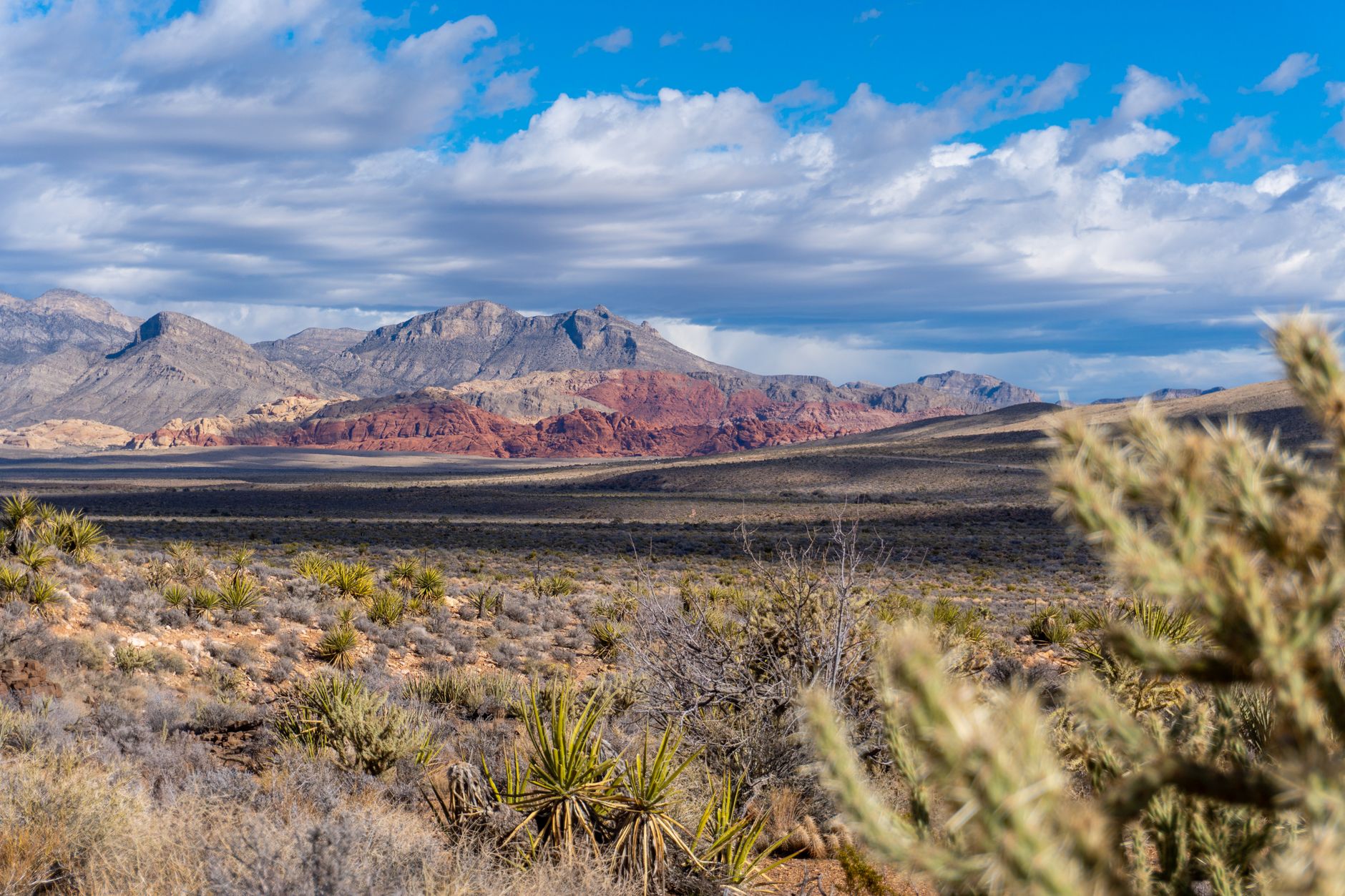
Just 15 miles west of the Strip sits a landscape of towering red sandstone peaks and ancient petroglyphs. If you are visiting between October and May, you must book a timed-entry reservation online to access the 13-mile Scenic Drive. Arrive by 8:00 AM to beat the desert heat.

Where to Eat Off the Strip

Strip dining is incredibly expensive, and half of it is overhyped celebrity chef vanity projects. Get off the main boulevard for the real culinary highlights.

  • Lotus of Siam: This legendary spot serves the best Northern Thai food in the country. Order the Crispy Duck Khao Soi ($25–$40) at their Sahara Avenue location.
  • Fukuburger: Head to Chinatown for Japanese-American fusion burgers topped with wasabi mayo and furikake. Pair it with garlic Fuku Fries topped with “crack sauce” ($10–$15).
  • Esther’s Kitchen: Located in the Arts District downtown. They serve incredible handmade pasta and seasonal sourdough bread with anchovy butter ($20–$35).

Smart Transit: Save Your Feet

Walking the Strip looks easy on a map, but the hotels are massive and set far back from the road. You will easily clock 20,000 steps a day if you are not smart.

Use the three free trams on the west side of the Strip to cut down on walking: Mandalay Bay to Excalibur, Bellagio to Park MGM, and Treasure Island to Mirage. For longer trips, use “The Deuce,” a 24/7 double-decker bus that runs the entire length of the Strip down to Fremont Street. A 24-hour pass costs $8, and you can buy it on the rideRTC app to skip the physical ticket lines.

If you take a taxi from Harry Reid International Airport (LAS), know that fares are flat-rated by zone ($22.25 to $30.25). Drivers might try to take the I-215 tunnel to run up a metered fare. Explicitly tell them “no tunnel, please” before you set off.

Frequently asked questions

How do I get a free Nevada visitor guide?
You can order a physical copy of the official Nevada Magazine & Visitor Guide to be mailed to your home for free. Alternatively, you can download a printable PDF version directly from the official Travel Nevada tourism website.
Why is my phone not working inside the casinos?
The massive concrete and steel structures of the casino resorts act as natural Faraday cages. You will often lose cellular signal entirely once you step deep onto the casino floor, so make sure to coordinate meeting spots with your group beforehand.
Is it better to take a taxi or Uber from the airport?
Taxis use flat-rate zones to the Strip, but drivers often try to add unauthorized fees or credit card charges. Rideshare apps like Uber and Lyft offer upfront, guaranteed pricing that is usually cheaper and avoids the airport tunnel scam.

If you are visiting during major events like the high-octane Las Vegas Grand Prix on November 19, 2026, expect massive network congestion. Buying a local SIM card at the airport will cost you $50 to $60 due to heavy markups. Skip the airport kiosks and download a United States eSIM from Galactic Roam before you fly. You will get instant, reliable 5G data the second you land, letting you call an Uber and bypass the taxi lines entirely.

Get your United States eSIM


Guatemala Travel Guide: How to Explore Antigua, Lake Atitlán, and Mayan Ruins

Guatemala welcomed a record 3.36 million visitors in 2025 — and over 62% of them arrived by land, often without tracking their days. Winging a trip to Central America sounds romantic, but navigating this country unprepared is a rookie mistake that will eat you alive. I’ve spent weeks navigating the highlands, ancient ruins, and chaotic transport to write this honest Guatemala travel guide. Here is how to explore like a pro, avoid the scams, and actually enjoy the ride.

Quick Facts — Guatemala

Currency
Guatemalan Quetzal (GTQ)
Language
Spanish (plus 22 Mayan languages)
Time zone
GMT-6
Plug type
Types A & B
Best time to visit
November to April (dry season)
Visa
90-day CA-4 limit (cumulative)

Crucial Logistics You Need to Know

First, let’s talk paperwork. Since July 2023, Guatemala requires all incoming and outgoing travelers to complete the Electronic Regional Traveler’s Affidavit (Djrv) online up to 3 days before their flight. The old paper forms are dead, so don’t expect to fill one out on the plane.

You also need to understand the CA-4 Border Control Agreement. This treaty allows you to travel visa-free between Guatemala, El Salvador, Honduras, and Nicaragua for up to 90 days. But watch out — this 90-day limit is cumulative across all four countries, not per country. Overstaying is an expensive headache.

For your health, the CDC recommends Hepatitis A and Typhoid vaccines for almost everyone visiting. If you’re arriving from or transited for more than 12 hours through a country with yellow fever, you must show a Yellow Fever vaccination certificate at customs. They will check.

When packing, leave high heels, flashy jewelry, and heavy cotton clothing at home. Cobblestones make heels a safety hazard, jewelry invites petty theft, and heavy denim stays damp forever in the high humidity. Also, leave your drone behind — customs officials will confiscate it unless you have a pre-approved government permit.

The Big Three: What to See and How to Do It Right

Everyone comes to Guatemala for the same three areas. That’s fine — they’re famous for a reason — but you need to know how to navigate them without falling into tourist traps.

Antigua Guatemala

Antigua is a preserved Spanish colonial city surrounded by active volcanoes. It has a diverse food scene, but many restaurants charge ridiculous prices for mediocre western food. Skip those.

Instead, seek out ‘La Canche’ near Iglesia de la Merced. From the street, it looks like an unremarkable, dimly lit corner store. Squeeze past the counter and through a tiny side entrance to find a hidden, packed local restaurant serving incredible Pepian for just Q25 (~$3).

Antigua Guatemala (Hidden 'La Canche' Tienda) Guatemala
The yellow facade of Iglesia de la Merced, steps away from Antigua’s best hidden dining spot.

Lake Atitlán & The Indian Nose Hike

The Indian Nose hike offers a sunrise viewpoint looking out over Lake Atitlán and six surrounding volcanoes. Most people sign up for a grueling, two-hour hike from San Juan La Laguna in pitch darkness. Don’t do that.

Instead, take a short 30-minute shuttle or taxi to Santa Clara and hike the shorter 30-to-45-minute trail to the summit. It saves your knees and gets you the exact same view. Always hire a local guide, as solo hikers on this trail have historically been targeted for robberies.

Indian Nose Hike (Lake Atitlán) Guatemala
An aerial view of the deep blue waters of Lake Atitlán surrounded by steep volcanic ridges.

Tikal National Park

Tikal features massive ancient Mayan pyramids rising above a dense, wildlife-rich jungle canopy. It’s a UNESCO World Heritage site that absolutely lives up to the hype. But timing is everything.

Avoid visiting on Sundays, as Guatemalan citizens get free entry, making it the most crowded day of the week. If you buy your standard day ticket after 3:00 PM, it’s actually valid for the entire following day. This lets you enjoy a quiet late-afternoon walk and a full next day without paying twice.

Tikal National Park Guatemala
The stone crest of a Mayan temple rising above the dense jungle canopy of Tikal.

What to Eat: Pre-Hispanic Flavors

Guatemalan food is heavily rooted in Mayan tradition. It’s hearty, earthy, and incredibly cheap if you eat where the locals eat.

  • Pepian de Pollo: Guatemala’s national dish. It’s a thick, smoky stew of chicken or pork in a rich sauce made from roasted tomatoes, pumpkin seeds, and sesame seeds. Expect to pay Q25–Q35 ($3.25–$4.60) at local comedores.
  • Kak’ik: A traditional turkey soup colored bright red from achiote and seasoned with coriander, garlic, and dried chilies. It’s earthy, spicy, and recognized by UNESCO. It costs Q40–Q70 ($5.00–$9.00) in highland towns.
  • Rellenitos de Plátano: A sweet street snack made of mashed ripe plantains rolled into balls, stuffed with sweetened black bean paste and chocolate, then fried. They cost Q3–Q5 ($0.40–$0.65) per piece near Antigua’s markets.

Safety Warnings: How Not to Get Robbed

Guatemala is generally welcoming, but crime is a real issue. You don’t need to be paranoid, but you do need to be smart about where you put your things.

Pickpocketing & Bag-Slashing

This is common in crowded public markets (especially Chichicastenango on Thursdays and Sundays) and inside crowded chicken buses. Wear a sealed cross-body bag or a hidden money belt under your shirt, and never keep your phone in your back pocket.

Armed Robberies on Hiking Trails

Volcán Atitlán and certain unguided paths around Lake Atitlán (like the trail between Santa Cruz and San Marcos) are hot spots for trail robberies. Never hike these paths alone or without an authorized local guide. Check with the local tourist police (Politur) before setting out.

ATM Card Cloning

Standalone, unbranded ATMs on the streets of Guatemala City and Antigua are frequently fitted with skimmers. Only use ATMs located inside secure, well-lit bank branches (such as Banco Industrial or BAC Credomatic) during daylight hours.

Money, Transit, and Connectivity

Cash is king here. While high-end hotels in Antigua accept credit cards, smaller villages around Lake Atitlán, street food vendors, tuk-tuks, and public boats are strictly cash-only. ATMs are scarce or frequently out of cash in smaller lakeside villages like San Marcos or Jaibalito, so withdraw plenty of cash in Panajachel or Antigua before heading out.

For transport, do not take public chicken buses from the airport due to safety and reckless driving. Instead, book a shared tourist shuttle in advance for $15–$20, or use Uber, which is widely available and safe for the 1.5-hour trip to Antigua (costing around $25–$35).

When it comes to staying connected, WhatsApp is the absolute lifeblood of communication in Guatemala. Almost all local businesses, shuttle operators, and hotels communicate exclusively through it. Be warned: there are no official carrier stores inside the airport terminal, only convenience stores selling heavily marked-up SIMs (up to $20 for just 2 GB). Movistar no longer operates in Guatemala, so ignore any older guides recommending them.

Instead of dealing with local shops, queuing at arrivals, or swapping physical cards, you can set up your data before you even land. Grab a Guatemala eSIM from Galactic Roam to get instant, reliable 4G coverage on the Tigo and Claro networks the second your plane touches down.

Get your Guatemala eSIM

Frequently Asked Questions

What is the best way to get from the airport to Antigua?

Do not take the public chicken buses from La Aurora International Airport due to safety concerns. Book a shared tourist shuttle in advance for $15–$20, or take an Uber, which is safe, reliable, and costs around $25–$35 depending on traffic.

Is cash widely accepted in Guatemala?

Yes, cash is absolutely essential. While mid-to-high-end spots in Antigua accept credit cards, smaller villages around Lake Atitlán, street vendors, and public boats are strictly cash-only, and local ATMs frequently run out of money.

Do I need a yellow fever vaccine to enter Guatemala?

You only need a Yellow Fever vaccination certificate if you are arriving from, or have transited for more than 12 hours through, a country with a known risk of yellow fever transmission. Otherwise, it is not required.


Delhi Travel Guide: How to Navigate India’s Historic Capital

Delhi Travel Guide: How to Navigate India’s Historic Capital

Delhi welcomes 38.9% of India’s international arrivals, yet ranks a dismal sixth for actual overnight stays. Most travelers treat the capital as a chaotic transit lounge, fleeing to Agra or Jaipur the first chance they get. I’ve spent weeks navigating this maddening, historic metropolis to build this practical Delhi travel guide. If you arrive unprepared, the city’s sheer scale, bureaucracy, and aggressive touts will eat you alive. Winging it here is a classic rookie mistake—you need a solid plan to navigate the chaos like a pro.

Quick Facts — India

Currency
Indian Rupee (INR / ₹)
Language
Hindi & English
Time zone
GMT+5:30
Plug type
Type C, D, M
Best time to visit
October to March
Visa
e-Visa required for most

When to Go & The Smog Warning

Delhi’s prime travel window runs from October to March, when temperatures hover between a comfortable 15°C and 25°C. But if you’re planning a trip around late autumn—especially for Diwali starting November 6, 2026—you need to prepare.

This period marks the start of the annual smog season. Severe air pollution and dense morning fog frequently ground flights and delay trains. Pack a high-quality N95 mask; you’ll need it.

Also, keep an eye on the calendar for “Dry Days.” The government bans all alcohol sales in retail shops, bars, and restaurants on national holidays like October 2, and major festivals like Diwali.

Three Historic Spots Worth the Detour

Skip the overhyped tourist traps and head to these three historic sites instead. They offer incredible architecture without the overwhelming crowds.

Agrasen Ki Baoli India

Agrasen Ki Baoli

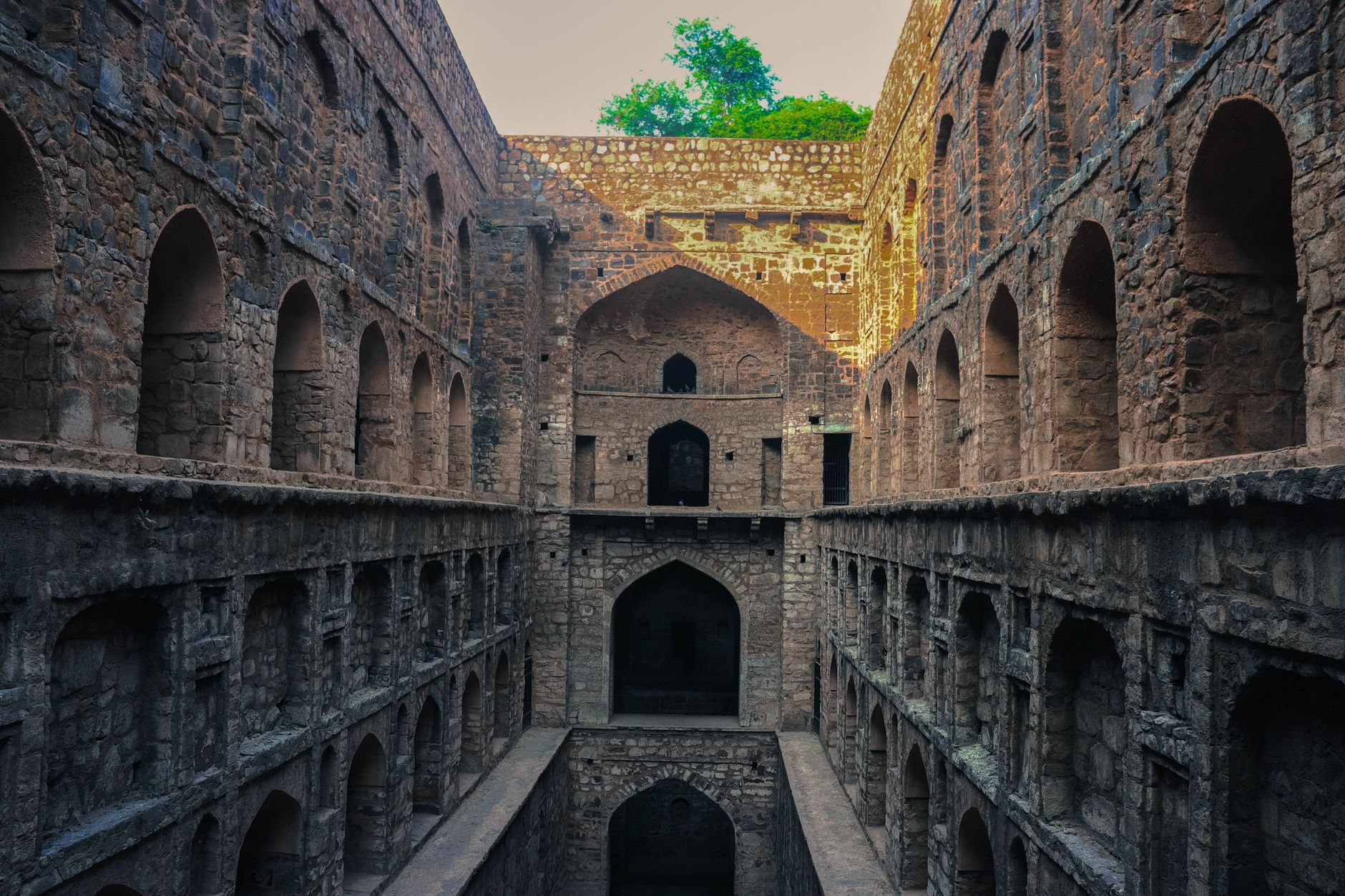
This 14th-century historical stepwell features 103 descending stone steps hidden right among central Delhi’s modern high-rises. Arrive exactly at 7:00 AM when the gates open. The stone walls trap the cool morning air, the light filters down perfectly, and you’ll completely bypass the noisy crowds of selfie-takers.

Mehrauli Archaeological Park India

Mehrauli Archaeological Park

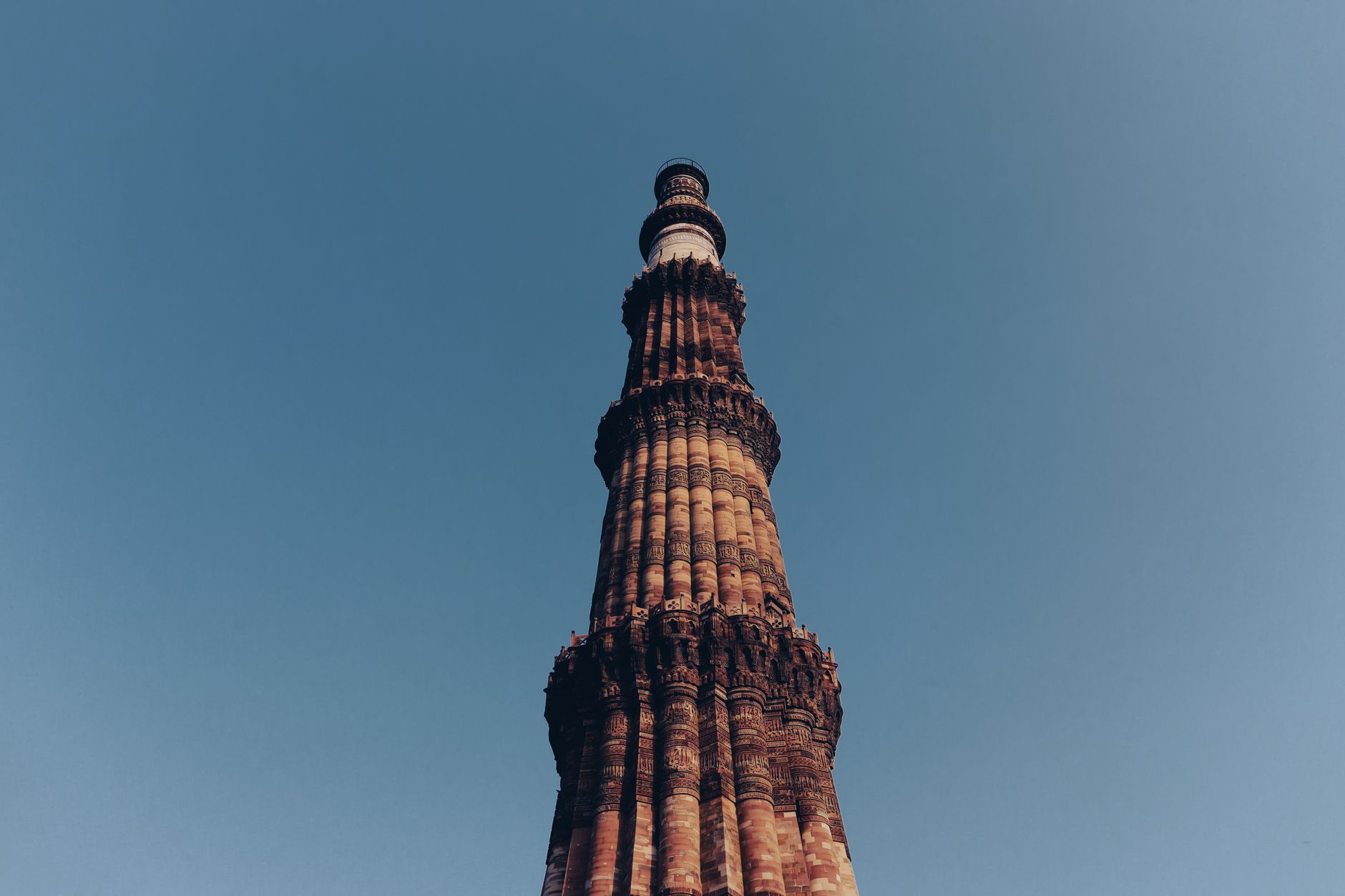
A massive, 200-acre reserve containing over 100 ruined monuments from the Delhi Sultanate, including the Jamali Kamali Mosque. Most tourists hit the adjacent Qutub Minar and immediately leave. Cross into Mehrauli instead—it’s totally free, has no security lines, and offers a quiet walk through history.

Sunder Nursery India

Sunder Nursery

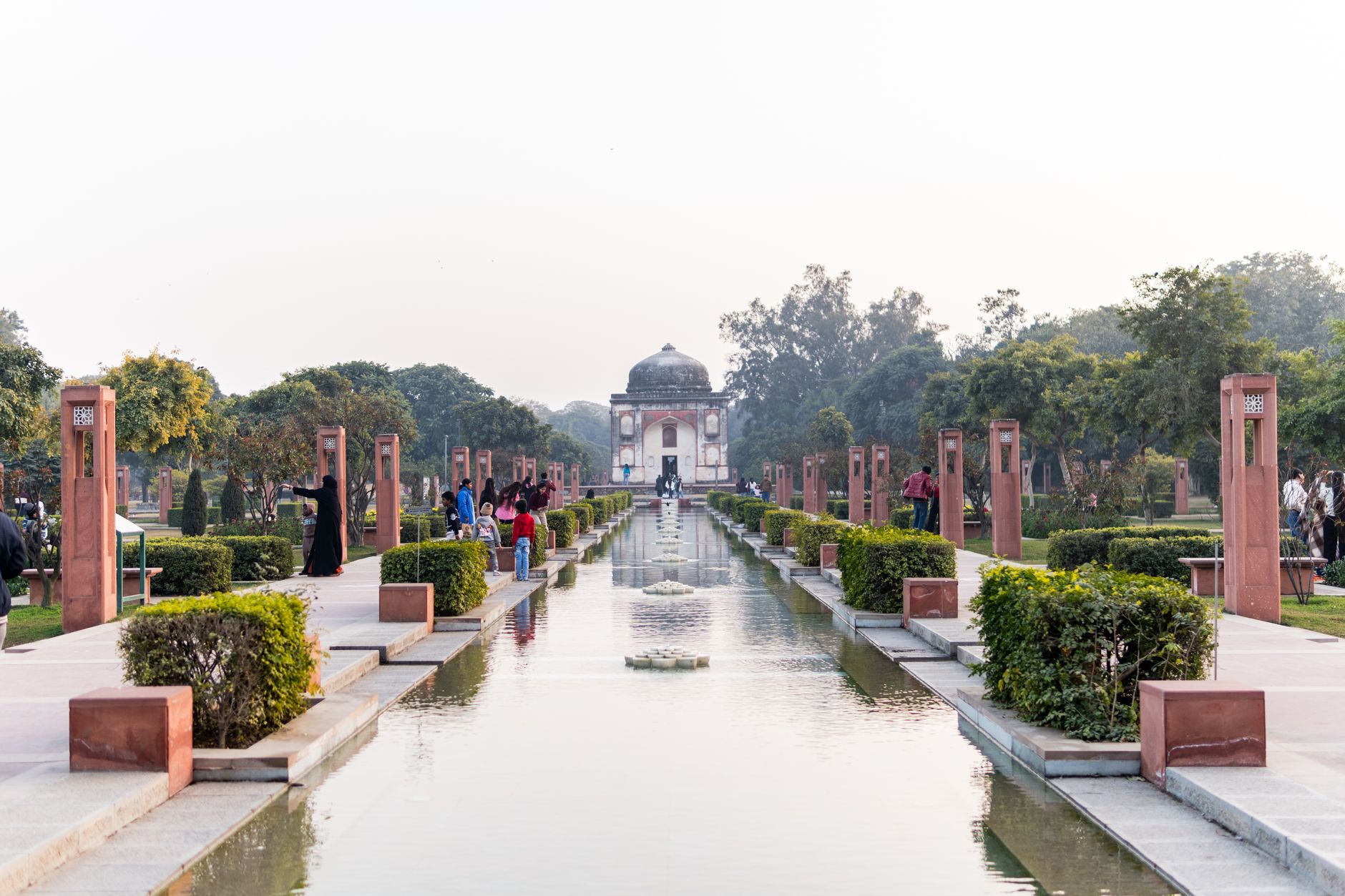
This restored 90-acre Mughal-era heritage park features manicured lawns, water channels, and 15 historic monuments. Located right next to the packed Humayun’s Tomb, it’s often called Delhi’s Central Park. Skip the tomb’s midday rush and head here on a weekday morning to read or stroll in peace.

What to Eat (And Where to Find It)

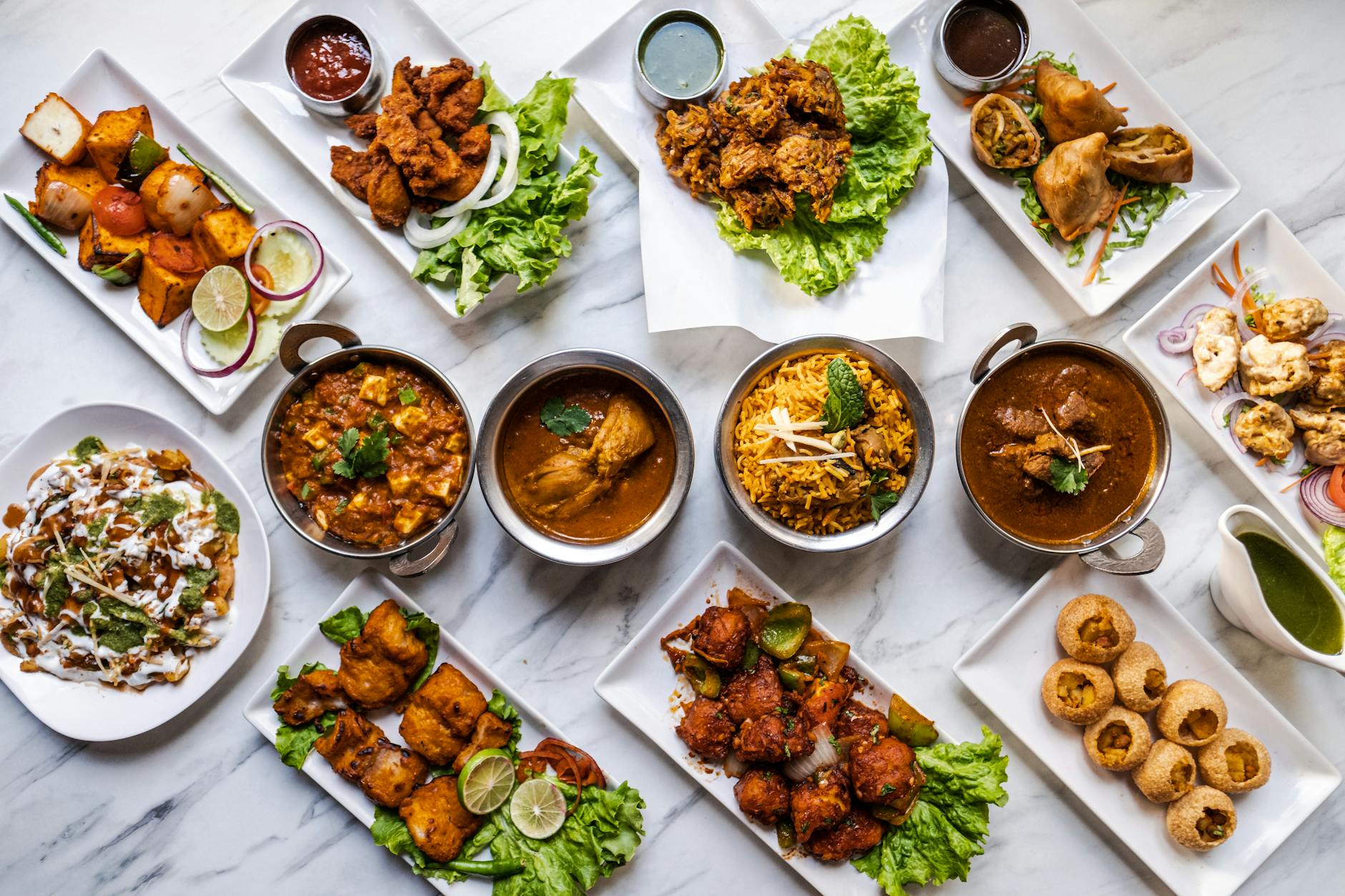
Delhi is a paradise for food lovers, but you have to know where to go to get the real deal. Skip the hotel buffets and eat where the locals eat.

Chole Bhature India food

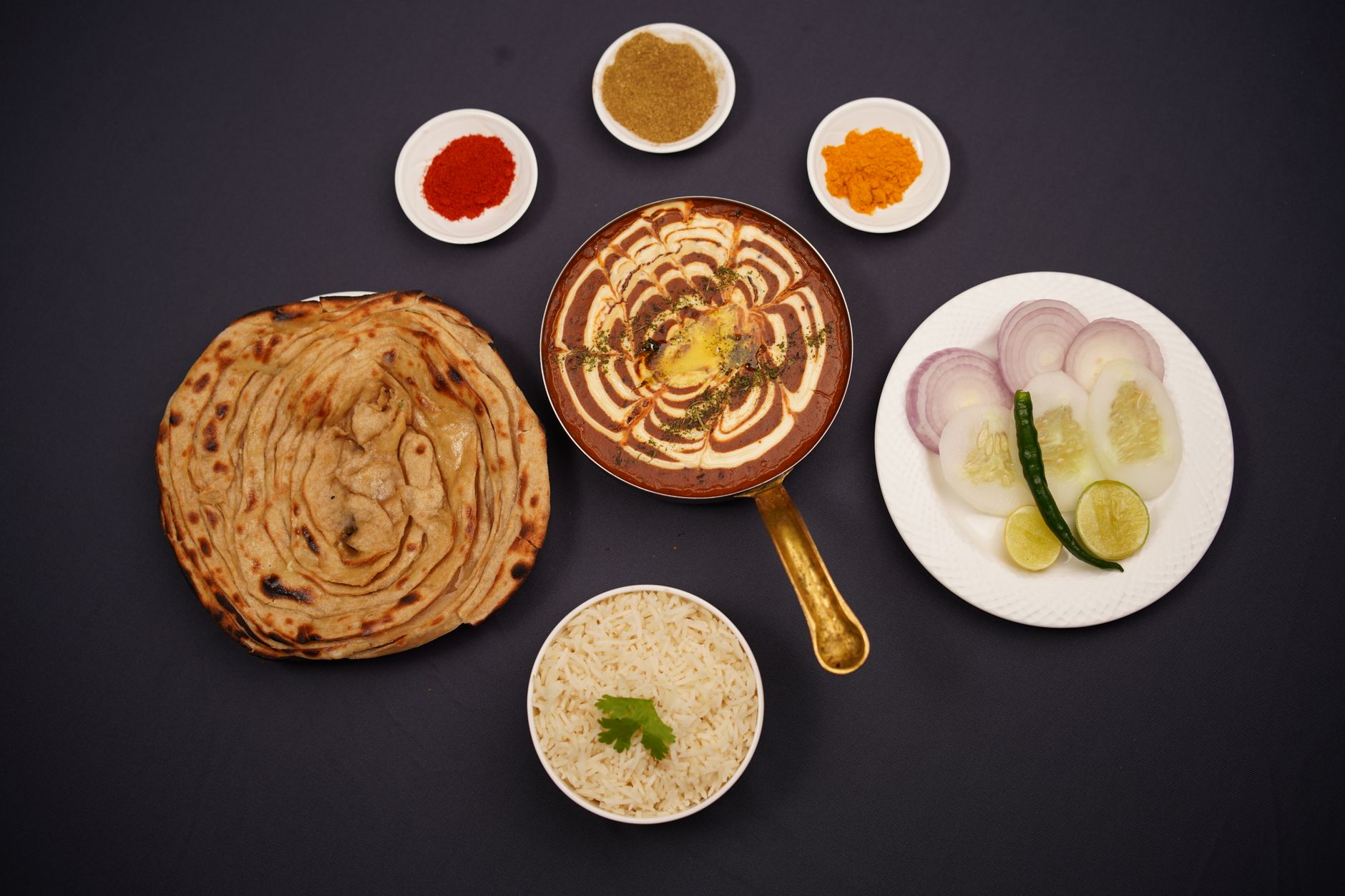
Chole Bhature

A heavy Punjabi breakfast of spiced, dark chickpea curry paired with giant, balloon-like deep-fried bread. Grab a plate at Sitaram Diwan Chand in Paharganj for ₹60 to ₹90 ($0.70–$1.10).

Ram Ladoo India food

Ram Ladoo

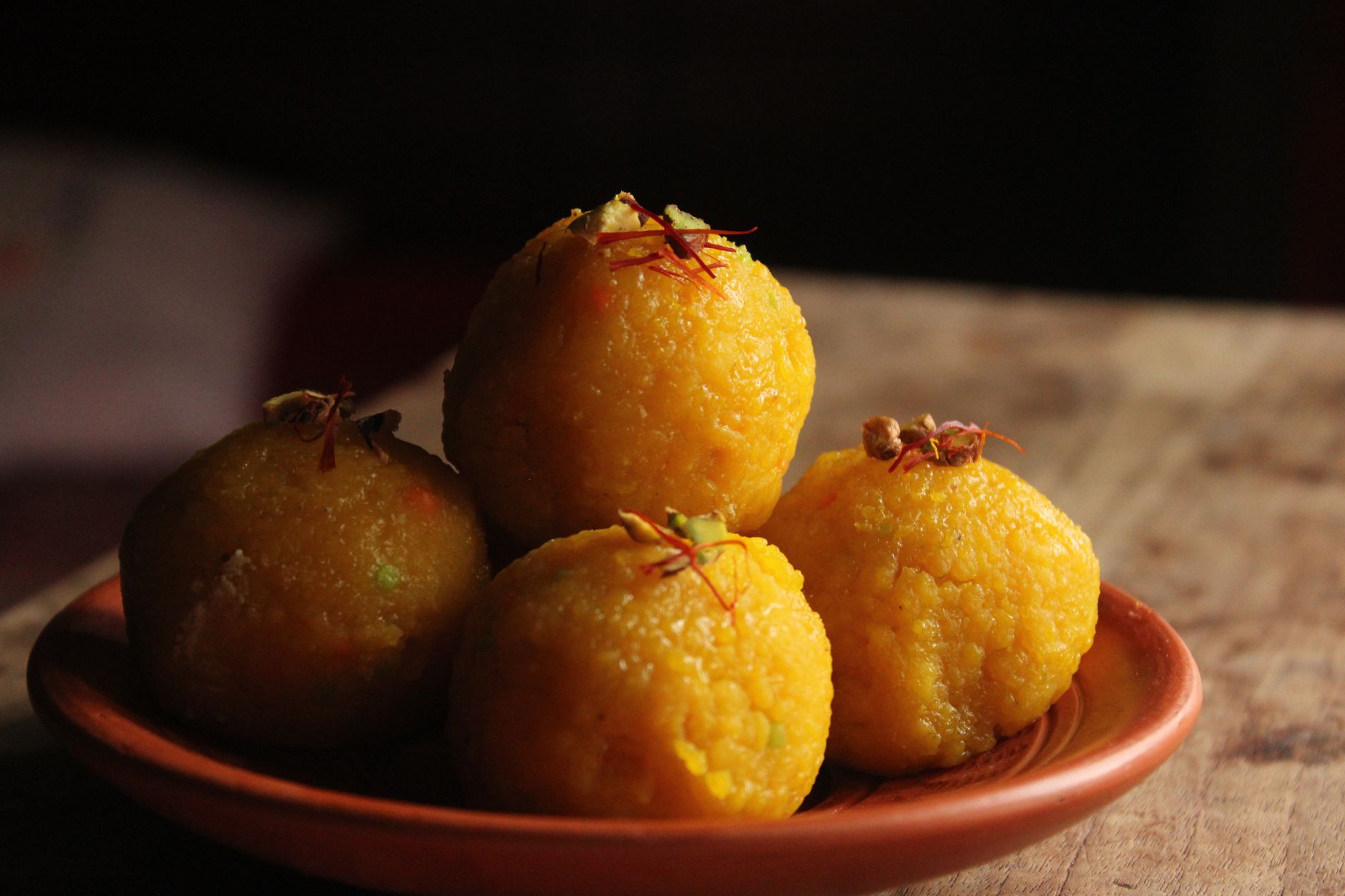
Crispy, deep-fried yellow lentil fritters topped with shredded white radish, fresh lime, and spicy green mint-coriander chutney. Find them at Lajpat Nagar Market stalls for ₹30 to ₹50 ($0.35–$0.60).

Keema Parantha India food

Keema Parantha

A heavy, pan-fried whole wheat flatbread stuffed with spiced minced mutton and cooked on an iron tawa with plenty of butter. Laxman Fast Food near Sanjay Van serves these for ₹100 to ₹180 ($1.20–$2.15).

Surviving Delhi’s Scams

Delhi’s touts are highly skilled professionals. If you aren’t careful, you’ll fall for one of these common setups before you even realize what’s happening.

The Closed Hotel Scam

Touts around Paharganj or Connaught Place will claim your hotel is closed due to protests or elections. They’ll try to drive you to a “government-approved tourist office” that is actually a private agency designed to pressure you into buying fake tours. Always call your hotel directly to verify.

The Friendly Cafe Stranger

In Connaught Place cafes, a friendly local might strike up a conversation, ask about your plans, and insist you hire a private chauffeur. They’ll offer to walk you to a nearby booking office. Politely decline and book your transport independently online.

The Distraction Pickpockets

In crowded areas like Chandni Chowk or Rajiv Chowk metro station, teams of two or three work together. One bumps into you or spills liquid on your shirt while the other lifts your phone. Keep your valuables in a zipped cross-body bag across your chest.

Transit & Metro Survival

Don’t bother with a taxi from Terminal 3; Delhi’s traffic is legendary. Take the Delhi Metro Airport Express (Orange Line) directly to New Delhi Railway Station instead. It takes just 20 minutes and costs a flat ₹60 ($0.72 USD), compared to a grueling one-hour taxi ride that can cost up to ₹800.

The metro is clean, fast, and incredibly strict. Do not sit on the train floor—over 22,000 commuters are fined ₹200 annually for doing exactly that. Spitting will cost you ₹150, and filming social media reels is banned.

While cards work in upscale areas like Khan Market, cash is king for street food and auto-rickshaws. Always carry small bills (₹10, ₹20, ₹50, and ₹100). Street vendors rarely have change for a ₹500 note. Download the ‘One Delhi’ app for bus routes and ‘Delhi Metro Sarthi’ for offline metro routing.

Staying Connected Without the Headache

Staying connected in Delhi can be a bureaucratic headache. Buying a local physical SIM requires strict KYC registration—you’ll need your passport, visa copy, and an on-the-spot photo, and activation takes three to four hours. Public WiFi is equally frustrating; even the airport network requires an Indian mobile number to receive an SMS OTP. If you don’t have one, you have to queue at a physical airport desk to get your passport scanned for a printed coupon code.

Worse, the government occasionally suspends mobile internet in specific districts during protests. Skip the physical SIM hassle entirely by setting up a India eSIM before you land. It connects instantly to India’s top networks as soon as your plane touches down, letting you book your airport metro ride or navigate to your hotel without missing a beat.

Local SIMGalactic Roam eSIM
Cost₹299 – ₹500From $8
Activation3 to 4 hoursInstant, pre-arrival
RegistrationPassport, visa, photo KYCNone
Ready on arrivalNo (must queue)Yes
Data optionsDaily limits1 GB / 3 GB / 5 GB / 10 GB

Get your India eSIM

Frequently Asked Questions

How do I avoid the closed hotel scam in Delhi?

Never trust a taxi driver or stranger who claims your hotel is closed, burned down, or inaccessible. Always call the hotel directly using your own phone to verify, and only trust the official India Tourism office located at 88 Janpath in Connaught Place.

What is the best way to travel from Delhi airport to the city?

Take the Delhi Metro Airport Express (Orange Line) from Terminal 3. It costs just ₹60 ($0.72 USD) and takes 20 minutes to reach New Delhi Railway Station, bypassing the terrible highway traffic that can turn a taxi ride into a painful one-hour crawl.

Are there dry days in Delhi when alcohol is banned?

Yes, Delhi enforces strict dry days on national holidays like Republic Day (January 26), Independence Day (August 15), and Gandhi Jayanti (October 2), as well as major religious festivals like Diwali. All retail shops, bars, and restaurants are legally prohibited from serving alcohol on these days.

What are the rules for riding the Delhi Metro?

The Delhi Metro is heavily policed. You cannot sit on the train floor (over 22,000 people are fined ₹200 annually for this), spitting carries a ₹150 fine, and filming social media reels that disrupt other passengers is strictly banned.


Uzbekistan Travel Guide: How to Explore the Silk Road’s Ancient Heart

Over 6.7 million travelers visited Uzbekistan last year, but the logistics will eat you alive if you aren’t prepared. I’ve spent weeks navigating the ancient Silk Road cities to figure out how to survive the bureaucracy and crowds like a pro. This Uzbekistan travel guide will show you exactly how to dodge the scams, book the impossible train tickets, and eat the best food of your life. If you are planning to extend your journey along the historic Silk Road, be sure to read our pakistan travel guide to prepare for your next adventure.

Quick Facts — Uzbekistan

Currency
Uzbek Som (UZS)
Language
Uzbek, Russian
Time zone
GMT+5
Plug type
Types C and F
Best time to visit
April to May, September to November
Visa
Visa-free for 30 days (most nationalities)
143 mph
Train Speed
$30
Daily Budget
3 Days
Registration Limit
$2.00
Plate of Plov

Surviving the Silk Road Logistics

Uzbekistan’s high-speed Afrosiyob train runs at 143 mph (230 km/h) and connects Tashkent, Samarkand, and Bukhara. But tickets sell out almost instantly. You must book 1 to 6 months in advance via the official Uzrailways app, or you’ll find yourself stuck on slow, Soviet-era trains.

Then there’s the registration rule, known locally as “propiska”. If you stay in the country for more than 3 days, you must be registered electronically. Hotels handle this automatically, but if you’re staying in private Airbnbs or overnight trains, you must keep every physical slip or self-register via emehmon.uz. Fail to do this, and you face fines up to 3 million UZS (~$240 USD) at the border.

Important Standard-class taxis in Uzbekistan run on compressed natural gas. This means a massive gas tank occupies almost the entire trunk, leaving zero room for suitcases. Always book “Business” class on Yandex Go when traveling with luggage.

Carry plenty of physical cash (Uzbek Som) outside Tashkent. While cards work in the capital, vendors, taxi drivers, and monuments in Samarkand, Bukhara, and Khiva only accept cash. Exchange your USD or EUR at official bank booths to get the real rate.

The Ancient Cities Worth Your Time

You’ve seen the photos of towering, tiled madrasas. But seeing them without a wall of tour groups requires strategy.

Registan (Samarkand) Uzbekistan

Registan (Samarkand)

The heart of the ancient Timurid Empire, framed by three towering, tiled madrasas. Arrive at sunrise (6:00 AM to 8:00 AM) to catch the golden light reflecting off the azure mosaics without the crowds, and return at night for the unannounced light show.

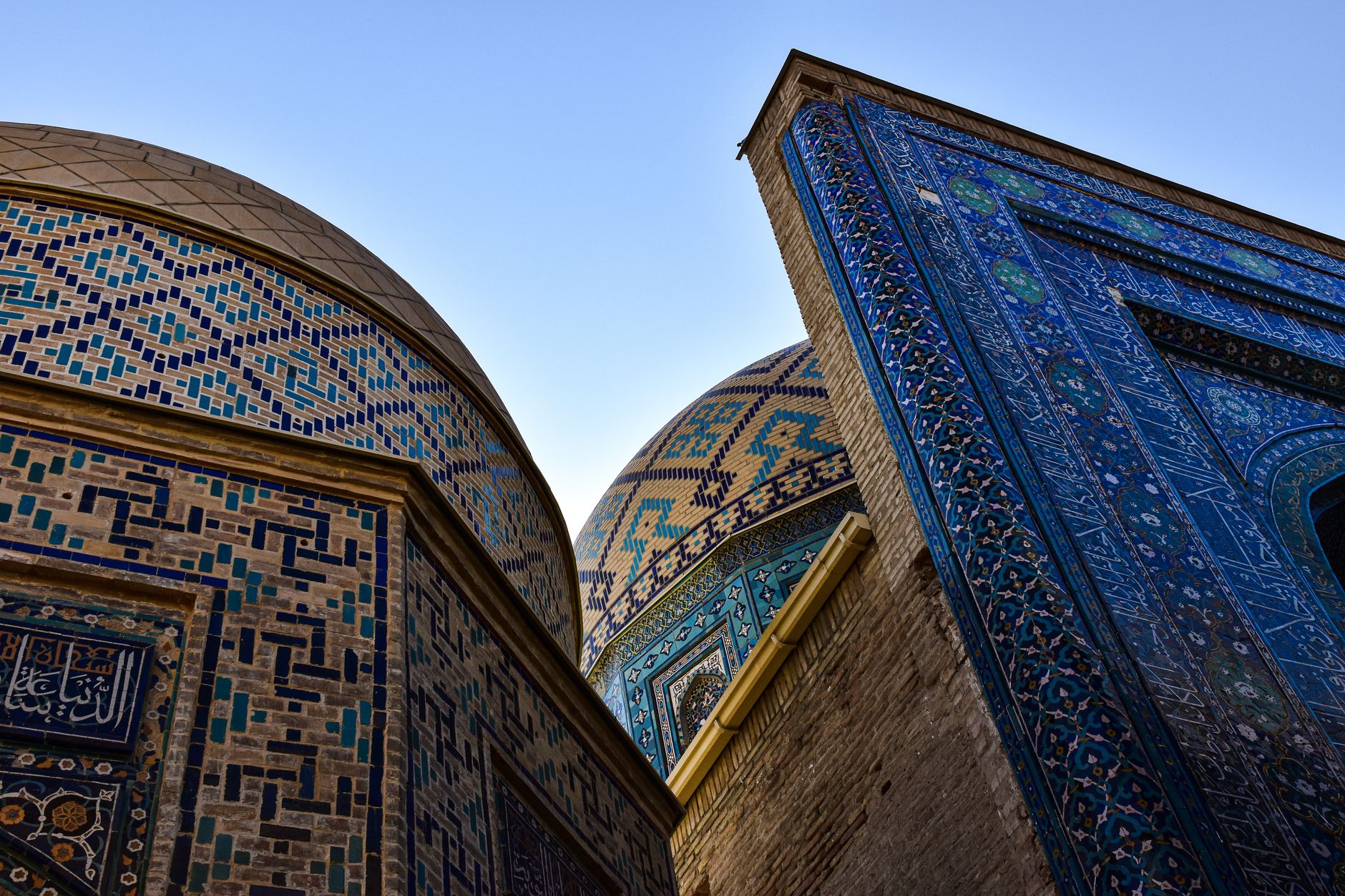
Shah-i-Zinda (Samarkand) Uzbekistan

Shah-i-Zinda (Samarkand)

A narrow avenue of cobalt-blue tiled mausoleums climbing a hillside. Arrive before 8:30 AM to experience the quiet before the tour buses land. Since it’s an active sacred site, keep your shoulders and knees covered.

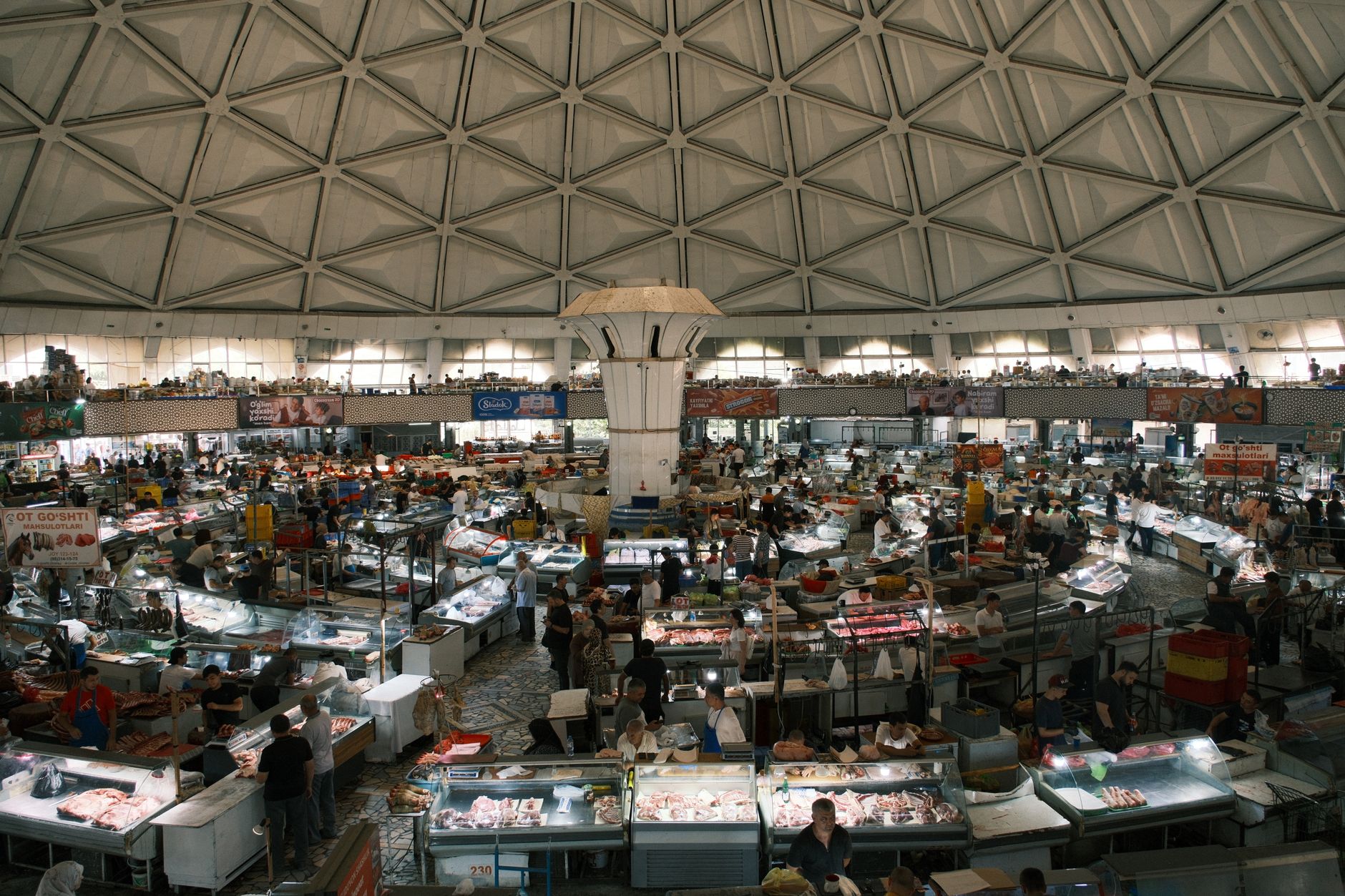
Chorsu Bazaar (Tashkent) Uzbekistan

Chorsu Bazaar (Tashkent)

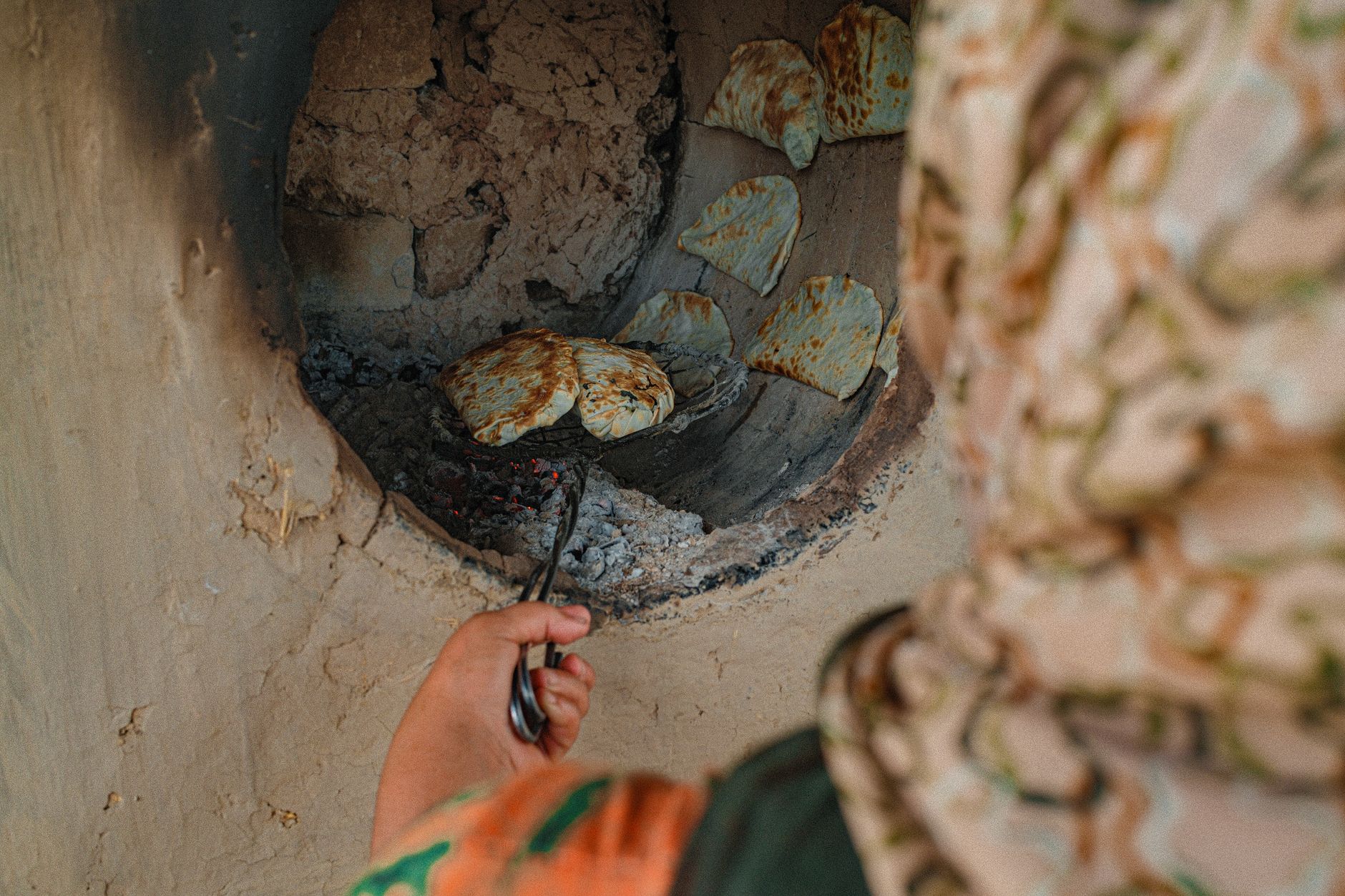
A massive, Soviet-era domed market. Head straight to the bread section under the dome at 8:00 AM to buy hot, freshly baked ‘non’ straight from the tandoor. Walk a block away before ordering a Yandex Go to avoid aggressive drivers outside.

Ichan Kala (Khiva) Uzbekistan

Ichan Kala (Khiva)

A fully preserved, walled inner city that feels like a medieval oasis. Book a guesthouse inside the walls. The day-trippers leave by late afternoon, leaving the quiet, lantern-lit streets entirely empty for a night walk.

Fueling Up: What to Eat

Uzbek food is heavy on meat, rice, and spices. It’s cheap, filling, and incredibly delicious.

Plov (Osh) Uzbekistan food

Plov (Osh)

The national dish of rice, carrots, onions, and beef slow-cooked in giant iron cauldrons. Try Besh Qozon in Tashkent for the ultimate local experience ($2.00–$4.00).

Samsa (Somsa) Uzbekistan food

Samsa (Somsa)

Flaky, tandoor-baked pastry pockets stuffed with minced lamb, beef, or spiced potatoes. Grab them from street stalls surrounding Chorsu Bazaar ($0.50–$1.20).

Shashlik Uzbekistan food

Shashlik

Charcoal-grilled skewers of spiced beef or lamb served with raw, vinegar-soaked onions. Head to the historic Chigatoy district in Tashkent ($1.00–$2.00).

Keep in mind that a service charge of 15% to 20% is automatically added to almost all restaurant bills in Uzbekistan. You don’t need to leave an extra tip, but rounding up the bill is highly appreciated by the staff.

Scams to Avoid

Uzbekistan is incredibly safe, but tourist-heavy areas always attract opportunists. Keep your guard up in these situations.

The Airport Taxi Mob

At Tashkent International Airport (TAS) arrivals, aggressive, unlicensed drivers will quote you $50–$100 USD. Walk past them without making eye contact, open the Yandex Go app, and book a ride to the city center for under $3 USD.

The ‘Friendly’ Souvenir Upsell

In Bukhara and Samarkand’s historic sites, local workers might strike up a friendly conversation and hand you a “free” gift like local soap. Once you accept it, they’ll pressure you to buy a large batch at highly inflated prices. Politely decline any free gifts.

Unlicensed Airbnb Registration Gaps

Many private Airbnb hosts are not registered to host foreigners and cannot issue the mandatory registration slips. Always ask your host in writing before booking if they can register you, or stick to licensed hotels and guesthouses.

Frequently Asked Questions

Is Uzbekistan expensive to travel?
Not at all. Backpackers can easily get by on $30 USD per day, while mid-range travelers spend around $70 USD. A massive plate of plov costs between $2.00 and $4.00 USD, making it incredibly budget-friendly.
Do I need to carry cash in Uzbekistan?
Yes, absolutely. While cards are increasingly accepted in Tashkent, many vendors, taxi drivers, and monuments in Samarkand, Bukhara, and Khiva only accept physical cash (Uzbek Som). Exchange USD or EUR at official bank booths.
What is the registration rule for tourists?
If you stay in Uzbekistan for more than 3 days, you must be registered electronically. Hotels do this automatically, but if you stay in private Airbnbs, make sure your host can register you to avoid a 3 million UZS fine.

Staying Connected Without the Hassle

Getting a local physical SIM card in Uzbekistan can be a headache. You’ll need to queue at Tashkent Airport and register your passport at the point of sale. Plus, if you stay longer than 30 days, you have to register your phone’s Imei with the state Uzimei system. Hotel WiFi is notoriously slow and unsecured outside Tashkent, and some social media apps experience throttling, so a reliable connection is essential.

Skip the airport queues entirely by setting up a Uzbekistan eSIM before you land. It connects instantly to the best local networks like Uzmobile, giving you reliable 4G data across major cities and train routes without the paperwork. Grab your Uzbekistan eSIM from Galactic Roam and start navigating the Silk Road like a pro the second you step off the plane.

Get your Uzbekistan eSIM


Austin City Limits Travel Guide: How to Navigate ACL Festival Like a Pro

Austin City Limits Travel Guide: How to Navigate ACL Festival Like a Pro

Zilker Park absorbs 75,000 people a day during ACL, turning Austin’s green jewel into a dusty, chaotic human gridlock.

Winging it without a solid plan is a rookie mistake that will eat you alive in the Texas heat. I’ve spent weeks navigating Austin’s festival madness to write this Austin City Limits travel guide, so you don’t end up stranded, broke, or pickpocketed. Here is how to survive the 25th anniversary of the festival starting October 2, 2026, like a seasoned local.

450k
Total Fans
$557M
Economic Impact
68°F
Barton Springs Temp
25th
Anniversary

How to get to Zilker Park without losing your mind

Austin traffic is notoriously bad on a regular Tuesday. During ACL, it’s a parking lot. Don’t even think about calling an Uber directly to the gate—you’ll sit in gridlock while the meter runs, only to be dropped off a mile away anyway.

Ann and Roy Butler Hike-and-Bike Trail United States

Ann and Roy Butler Hike-and-Bike Trail

Instead of fighting the gridlock on Barton Springs Road, rent a CapMetro Bikeshare bike and ride this scenic 10-mile gravel loop to the MoPac Pedestrian Bridge. It leads directly to the Stratford Drive entrance on the north side, which typically has much shorter security lines than the main east gate.

If you use the bikeshare, don’t worry about finding an empty dock near the crowded park. Use the official CapMetro Bikeshare Valet located at 1732 Toomey Road, where staff will manually check in and secure your bike for you.
The ultimate midday escape: Barton Springs Pool

By 2:00 PM, the Texas sun will make you question your life choices. The best-kept secret of seasoned festival-goers is taking a break at Barton Springs Pool, a massive three-acre natural spring right next to the festival grounds that stays a constant 68 degrees Fahrenheit year-round.

Barton Springs Pool United States

Barton Springs Pool

Do not try to enter through the main north gate on Barton Springs Road during the festival—it is closed to swimmers. Walk half a mile down Azie Morton Road to the south entrance; it is the only gate open to swimmers during ACL, and it is the perfect way to wash off the dust before the headliners start.

What to eat at ACL Eats

Festival food is usually overpriced cardboard, but Austin takes its culinary reputation seriously. Skip the generic chicken tenders and head straight for the local legends.

Hot 'N' Crunchy Chicken Cone United States food

Hot ‘N’ Crunchy Chicken Cone ($12–$15)

A warm flour tortilla rolled into a cone, filled with crispy chicken breast coated in a sesame-and-cornflake batter, topped with mango-jalapeño slaw and ancho aioli. It was invented specifically for the inaugural ACL Fest in 2002. Find it at The Mighty Cone booth.

Mexico City-Style Street Tacos United States food

Mexico City-Style Street Tacos ($10–$15)

Traditional, small-format street tacos served on double corn tortillas with slow-cooked meats like suadero (brisket) or longaniza (spiced pork sausage), topped with fresh cilantro and onions. Grab them from the Cuantos Tacos booth.

Two festival traps that will ruin your weekend

Zilker Park is generally safe, but crowds of 75,000 people attract professional opportunists. Keep your wits about you, especially when the headliners start and when the gates close.

Organized Phone Pickpocketing Rings

Thieves work in teams near the main Lady Bird and T-Mobile stages. One will bump into you while another slips your phone out of your pocket, immediately dropping it into a signal-blocking Faraday bag. Never keep your phone in your back pocket—use a front-facing zipped fanny pack or a heavy-duty phone tether.

Pedicab Price Gouging

When the gates close at 10:00 PM, pedicab drivers target exhausted fans on Barton Springs Road, quoting predatory rates of $100 to $200 per person for a short ride downtown. Always negotiate and agree on a firm price before sitting down. If they won’t budge, walk 15 minutes toward South Lamar before trying to hail an Uber.

Crucial logistics to set up before you go

ACL is a 100% cashless festival. Activate your wristband online and link it to your credit card via “ACL Pay” before arriving to avoid pulling out your wallet in crowded areas.

Important Small clutches and fanny packs must be 6″ x 9″ or smaller with only one pocket to bypass the clear bag rule. Anything larger (up to 12″ x 6″ x 12″) must be fully clear plastic, vinyl, or PVC.

Cellular networks get so congested during headliner sets that data becomes completely unusable. Force your phone to 4G/LTE or even 3G/Edge in your settings to send basic texts, and always screenshot your daily lineup and map to use as your lock screen background. Set a highly specific, time-stamped meetup spot with your group before entering the park rather than relying on “Where are you?” texts that won’t deliver.

Frequently asked questions

Can you swim in Barton Springs Pool during ACL?
Yes, but you must enter through the south entrance on Azie Morton Road. The main north entrance on Barton Springs Road is closed to swimmers due to extensive festival road closures.
What is the bag policy for Austin City Limits?
Small bags under 6″ x 9″ with a single pocket are allowed. Any larger bag up to 12″ x 6″ x 12″ must be completely clear plastic, vinyl, or PVC. Hydration packs do not need to be clear but must be empty upon entry.
How do I get back downtown after the festival ends?
Avoid the pedicabs charging $100+ near the gates. Walk 15 to 20 minutes away from Zilker Park toward South Lamar or South First Street before trying to hail an Uber, or use the free official CapMetro shuttle departing from Republic Square.

While you are sorting out your festival schedule and packing your clear bags, do not forget your digital connection. Local physical SIMs in the US can cost anywhere from $10 to $40 and require waiting in line at retail stores. Skip the hassle entirely by grabbing a United States eSIM from Galactic Roam before you even land in Austin, giving you instant data so you can coordinate your rides and post your festival stories without missing a beat.

Get your United States eSIM