

Ubud Travel Guide: Exploring Bali’s Cultural and Spiritual Heart
Updated July 20, 2026. Ubud is marketed as Bali’s spiritual heart, but the reality is a beautiful, chaotic contradiction. If you are looking for a raw, honest ubud travel guide, you need to know that behind the yoga studios and misty rice fields lies a town of aggressive taxi cartels, phone-snatching monkeys, and strict local decrees. You come for the quiet temple walks, only to find yourself dodging scooter traffic and negotiating with macaques for your own sunglasses. I’ve spent years navigating these winding roads, dodging the tourist traps, and finding the spots that actually live up to the hype.
Quick Facts — Bali
Indonesian Rupiah (IDR)
Indonesian and Balinese
GMT+8 (Wita)
Type C and F
April to October (dry season)
Visa on Arrival (VoA) for 30 days
Key Takeaways
- Best time to visit: April to September avoids the heavy monsoon rains.
- Budget needed: Plan for $40 to $80 USD per day for mid-range travel.
- Must book ahead: Authentic Bebek Betutu requires a 24-hour advance order.
- Getting around: Scooters are fastest, but private drivers are safest for day trips.
The Pre-Arrival Essentials: Logistics & Laws
Before you even board your flight, Bali has a few administrative hurdles. You must pay the mandatory Tourist Levy of IDR 150,000 (about $10 USD) per person, which applies to everyone, including infants. Use the official ‘Love Bali’ portal to pay this before your arrival to avoid the massive queues at the airport.
If you plan to visit in March, check the calendar carefully. Nyepi, the Balinese Day of Silence, completely shuts down the entire island for 24 hours. No lights, no noise, no travel — even the airport closes, and you will be forced to stay inside your hotel.
Also, watch your visa dates. Overstaying your Visa on Arrival (VoA) carries a brutal fine of IDR 1,000,000 (approx. $62 USD) per day. They do not negotiate, and they will make you pay before you can board your flight home.
Things to See & Do: The Truth About Ubud’s Attractions
Ubud has plenty of sights, but some are heavily commercialized. Here is what you need to know to navigate the top spots without getting frustrated.
Sacred Monkey Forest Sanctuary
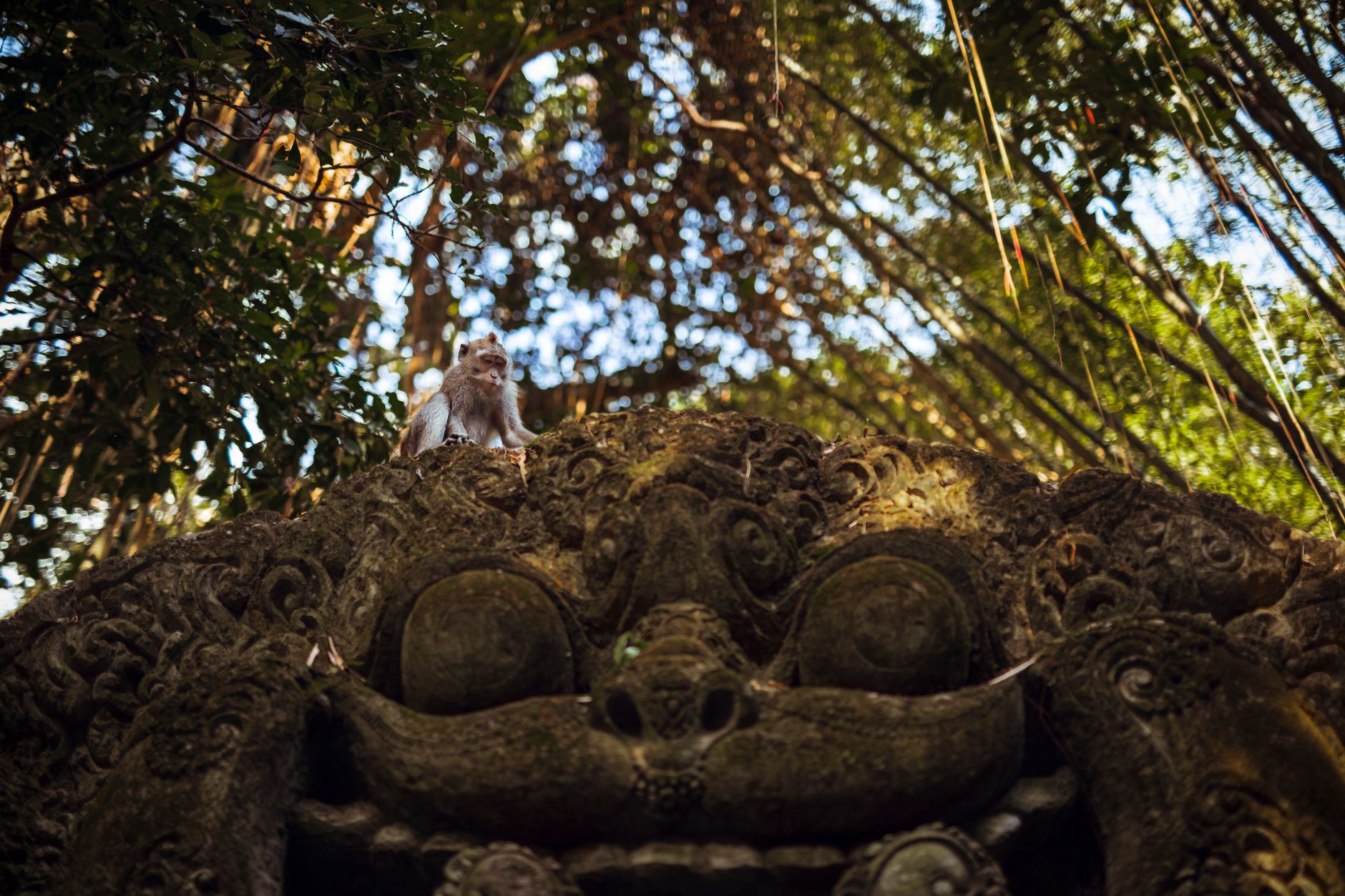
This 22-hectare jungle sanctuary is home to over 700 long-tailed macaques and three 14th-century temples. It is crowded, loud, and the monkeys are highly skilled thieves who will open your backpack zippers in seconds.
Tegalalang Rice Terraces
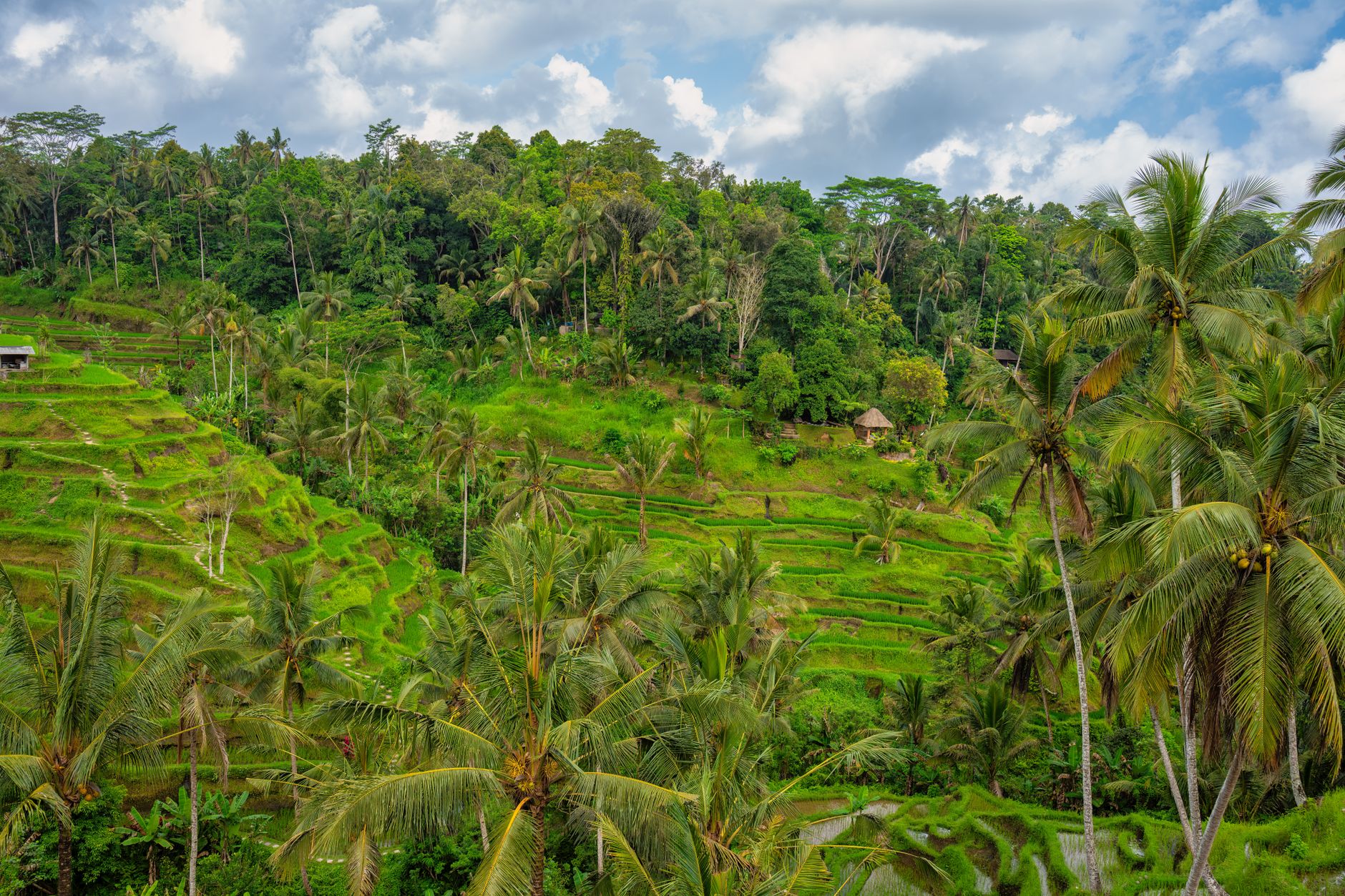
These layered rice paddies showcase the traditional Balinese ‘Subak’ cooperative irrigation system. They are beautiful, but the commercialization has gotten out of hand with swings and photo booths blocking the views.
Campuhan Ridge Walk
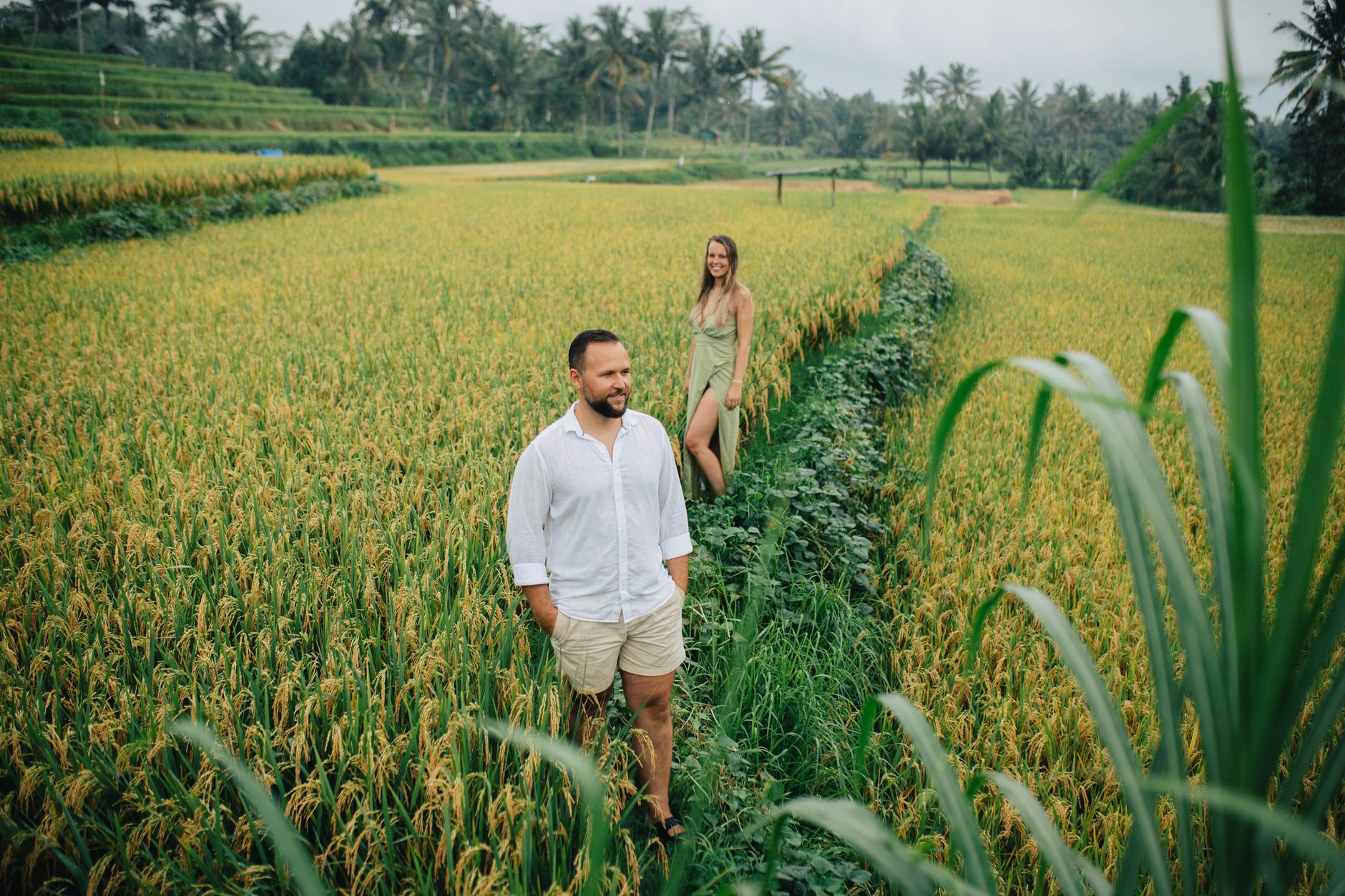
This is a scenic, car-free paved trail winding through rolling green hills and river valleys. It is one of the few places in central Ubud where you can walk without constantly looking over your shoulder for scooters.
Where to Eat: Real Balinese Food vs. The Starbucks Illusion
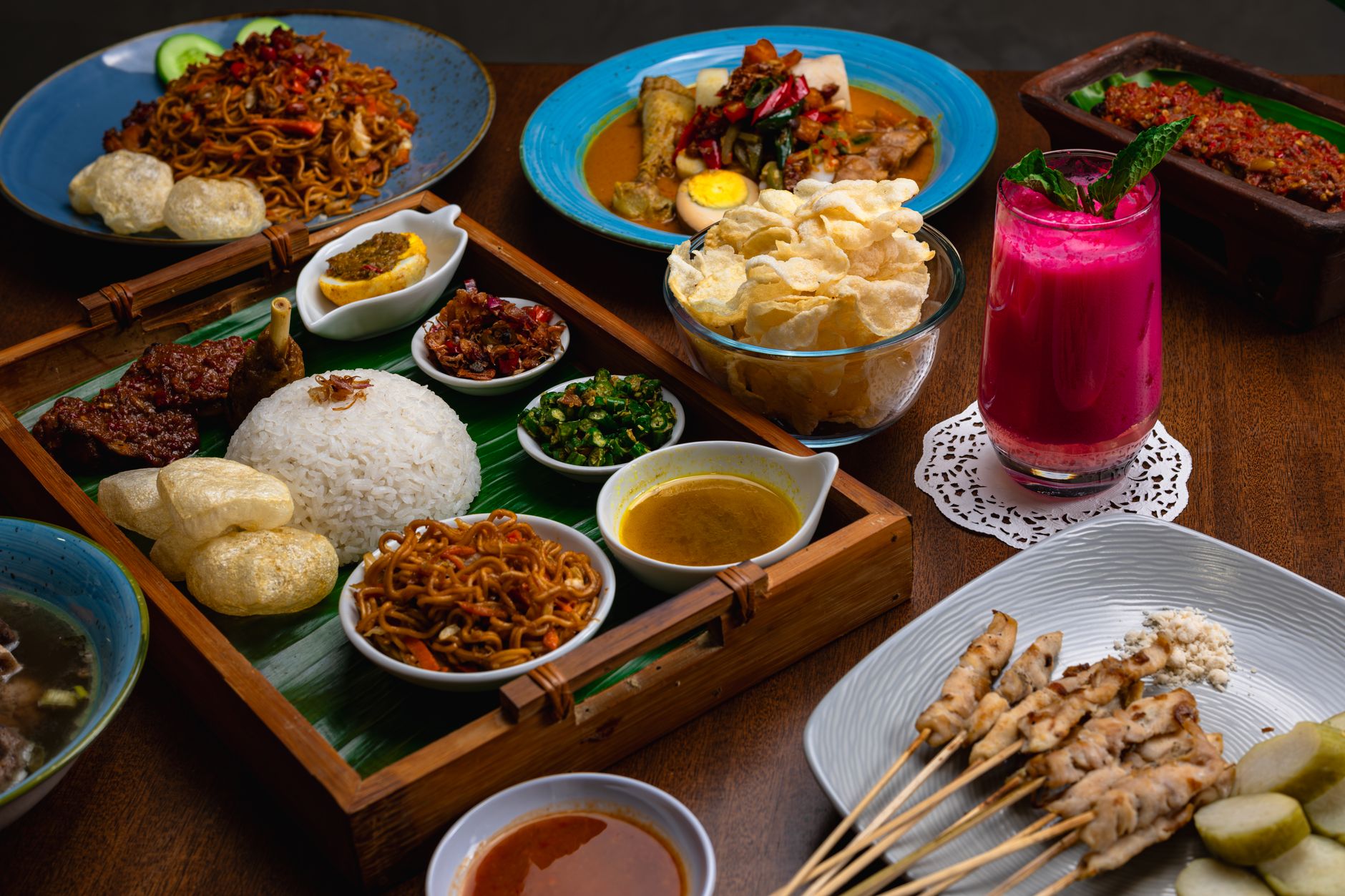
Ubud has a strict local decree banning major fast-food chains like McDonald’s, KFC, and Burger King to preserve its cultural character. The only major global chain, Starbucks, had to blend in by occupying an old temple storehouse with a rustic wooden sign and no flashy neon branding. But skip the corporate coffee and head for the local warungs instead.


Safety & Scams: How to Protect Your Wallet
Ubud is generally safe, but the influx of tourism has bred some highly organized local scams. Knowing how they operate is the best way to shut them down instantly.
The Taxi Mafia and App Pick-up Bans
In central Ubud (especially near the Traditional Art Market, Ubud Palace, and Monkey Forest Road), local transport cooperatives strictly ban ride-hailing apps like Grab and Gojek. They use aggressive intimidation tactics against app drivers who try to pick up passengers. Drop-offs are perfectly fine, but to get a ride out, walk 200–300 meters away from the main intersections to a quieter street or near a local minimart before booking your ride.
The Fake Temple Guide and Mandatory Donation Scam
Outside major temples near Ubud (like Tirta Empul, Goa Gajah, and Pura Besakih), scammers dressed in traditional sarongs will intercept you before the official ticket counter. They will claim a guide is ‘mandatory’ due to a ‘special ceremony’ or demand a ‘mandatory donation’ to enter. Ignore them, walk straight to the official, clearly marked ticket booth, and buy a printed ticket. Sarongs are almost always provided for free or a tiny nominal fee (IDR 10,000) at the official entrance.
Drive-by Phone Snatching
On the winding roads between Kuta/Seminyak and Ubud, especially at night, thieves on scooters target tourists who have their phones mounted on scooter handlebars for navigation. They will pull up alongside you, grab the phone, and speed off. Keep your phone in a secure pocket or bag, and if you must navigate, use audio cues through earphones or pull over safely to check your map.
Getting Around & Where to Stay
Ubud is located 35 to 40 kilometers from Ngurah Rai International Airport (DPS). Because of the narrow, winding roads and constant bottlenecks, the drive can easily take 1.5 to 2.5 hours. A pre-arranged private transfer costs around IDR 300,000 to 450,000 ($20 – $30 USD) and is highly recommended over airport taxis, which often quote inflated flat rates of IDR 600,000+.
When it comes to money, cash is king. While modern cafes and luxury hotels accept credit cards (often with a 2-3% surcharge), cash (Indonesian Rupiah) is absolutely mandatory for local warungs, traditional markets, temple entry fees, and parking. Tipping is not traditionally expected in Bali, but leaving a 5-10% tip at local restaurants or rounding up taxi fares is highly appreciated.
Choosing where to stay depends on your style. Stay in Central Ubud (near Jalan Hanoman or Monkey Forest Road) if you want to walk to cafes and attractions. For a quieter, more authentic vibe with rice paddy views, choose Penestanan or Nyuh Kuning (just south of the Monkey Forest). For luxury jungle resorts, look at Sayan or Tegallalang.
Connectivity & Censorship
Staying connected in Bali is relatively straightforward, but there are a few local quirks you must navigate. First, Indonesia blocks certain websites (like Reddit and some adult content) under its ‘Internet Positif’ censorship program. If you need to access these, you will need a VPN.
Second, any phone imported from abroad must have its Imei registered to work with a local physical SIM card. If you are staying under 90 days, you can bypass this complex customs process by purchasing an official ‘Telkomsel Tourist Prepaid Card’ (PraBayar) from an authorized airport or GraPARI store, which automatically registers your device temporarily. This local SIM will cost you between IDR 200,000 to 400,000 ($12 – $25 USD) for 18GB to 50GB of data.
While 4G and 5G coverage is excellent in central Ubud, signals can drop or become patchy as you head deeper into the jungle valleys, deep ravines, or northern mountainous areas. Fortunately, WiFi is highly reliable. Ubud is a major digital nomad hub, so almost all cafes, yoga studios, and hotels offer fast, stable fiber-optic WiFi (often 50–100 Mbps).
| Feature | Local Physical SIM | Galactic Roam eSIM |
|---|---|---|
| Cost | IDR 200,000 – 400,000 ($12 – $25) | From $8 |
| Activation | Queue at airport or GraPARI store | Instant, pre-arrival |
| Imei Registration | Required (handled at store) | None required |
| Ready on arrival | Only after queuing and setup | Yes |
| Data options | 18GB to 50GB | 1 GB / 3 GB / 5 GB / 10 GB |
Frequently Asked Questions
What is the best way to get from Bali airport to Ubud?
Is tap water safe to drink in Ubud?
How do I avoid the monkey forest scams and aggressive macaques?
Do I need cash in Ubud or are credit cards widely accepted?
Before you pack your bags and head off to explore the misty ridges and temple ruins of Ubud, make sure your connectivity is sorted. Skip the long airport queues, the passport scans, and the complex Imei registration process by setting up your data beforehand. Grab a Bali eSIM from Galactic Roam before you fly, install it in seconds, and you will have reliable data the moment your plane touches down in Denpasar.