

Everyone told me El Nido was an untouched paradise. The reality is a bit more complicated, involving massive tourist bottlenecks and some surprisingly strict local laws. I’ve spent weeks navigating these waters, dodging the tourist traps, and figuring out which tours actually deliver. Planning your travel to El Nido, Philippines? This guide reveals the top things to know before you book your boat.
Quick Facts — El Nido, Philippines
Philippine Peso (PHP)
Filipino / English
GMT+8
Type A, B, and C
December to April
Free 30-day visa on arrival for most nations
The Reality of Bacuit Bay
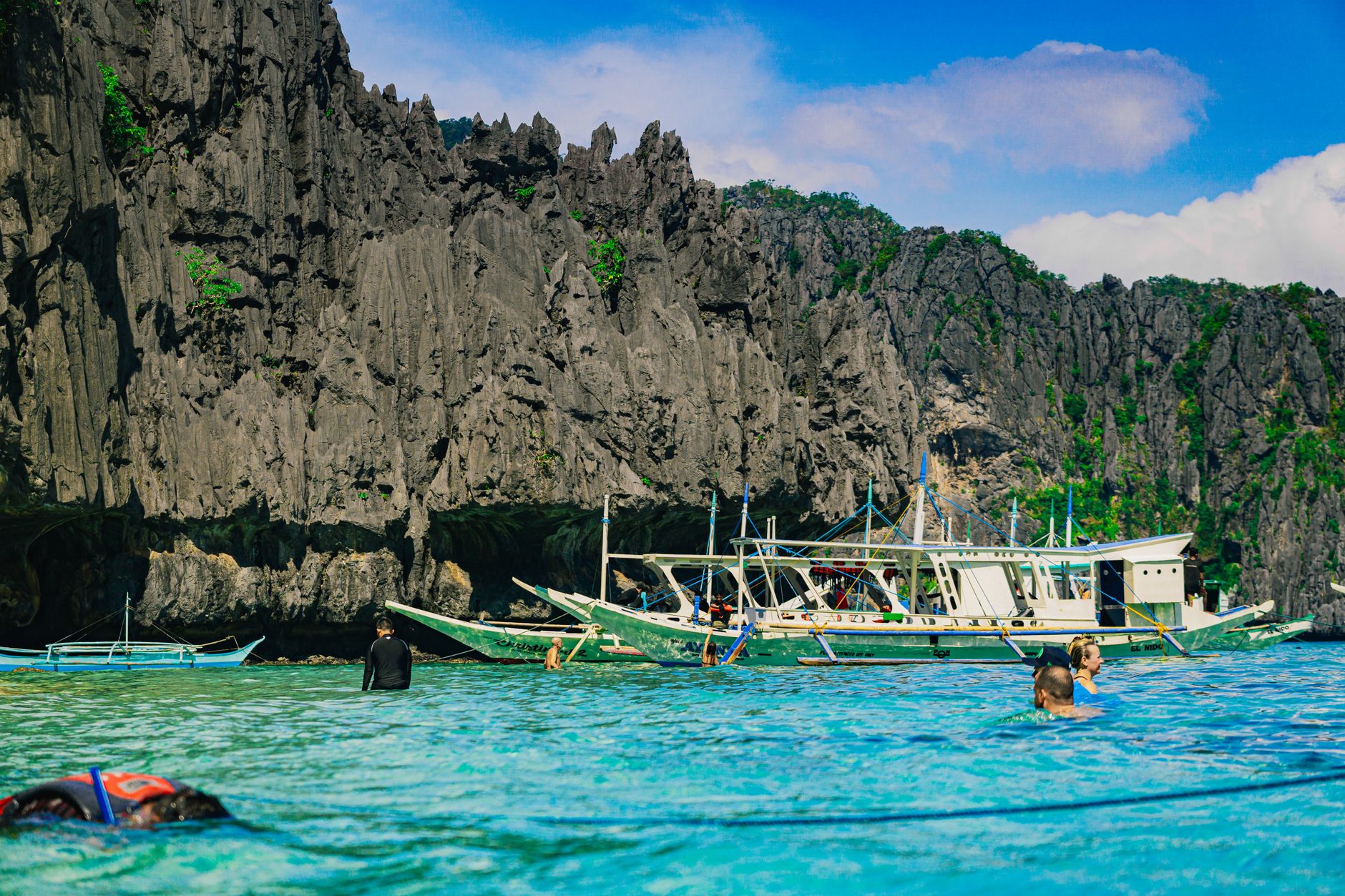
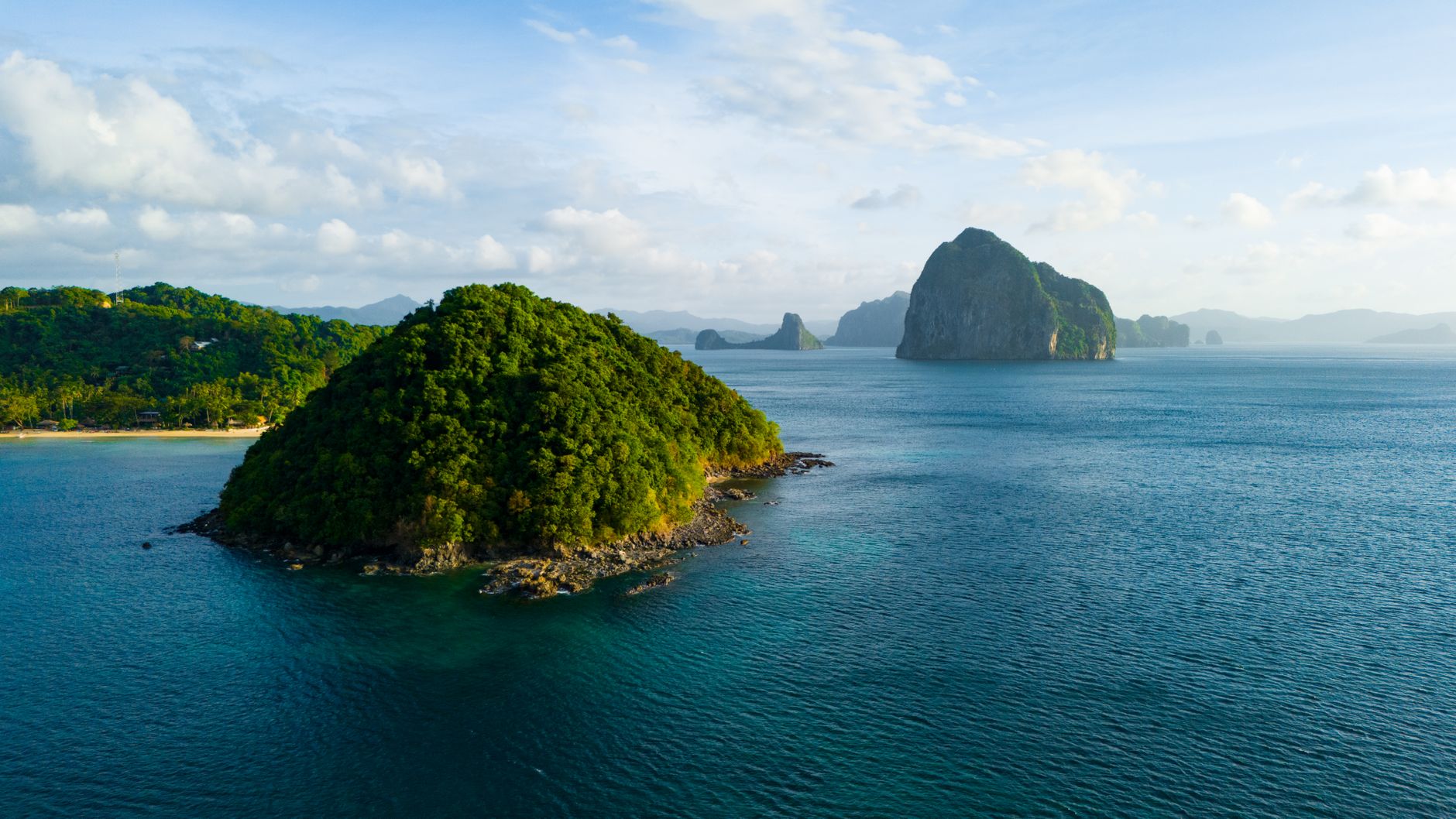
El Nido’s Bacuit Bay features 45 islands and limestone karsts sheltering over 447 species of coral and 888 species of fish. It’s undeniably beautiful. But the local government has standardized the experience into four options: Tour A, B, C, and D.
Before you even think about stepping onto a boat, you need to pay the Eco-Tourism Development Fee (Etdf). Under Municipal Ordinance 01 Series of 2024, this fee was increased to 400 PHP for non-residents. It is valid for up to 10 days and must be paid in cash. Keep the paper receipt with you; you cannot board without it.
The town’s name translates to “The Nest” in Spanish. It comes from the edible nests of cave swiftlets harvested from the sheer limestone cliffs. These nests are prized in Chinese cuisine and can sell for up to $3,000 per kilogram. Local climbers risk their lives scaling the rock faces to harvest them.
The Four Tours — What’s Actually Worth It?
Let’s break down the actual tours. Everyone wants to do Tour A and Tour C, which means those are the most crowded. But they also have the most dramatic scenery.


What to Eat in El Nido
When you aren’t on a boat, you’ll need to eat. El Nido has some unique local dishes that you won’t find easily elsewhere.

Crocodile Sisig
A sizzling plate of minced crocodile meat seasoned with calamansi, onions, and local chilies. The meat is lean, high in protein, and tastes like a cross between chicken and pork. Grab a plate at Tambok’s El Nido or local grills in town for ₱350–₱500.
Tamilok (Woodworm)
Despite the name, this Palawan delicacy is actually a shell-less saltwater clam harvested from rotting mangrove logs. It is eaten raw and dipped in calamansi and vinegar, with a slimy texture similar to oysters. Find it at local seafood markets and native restaurants in El Nido for ₱150–₱300.
Safety & Scams to Avoid
El Nido is generally safe, but there are a few specific traps and health hazards you need to watch out for.
Food Poisoning from Tour Lunches
Because cooking on day-tour boats is banned, pre-packed buffet lunches are kept in plastic coolers under the hot sun for 4–5 hours before being served. To avoid E. coli or norovirus, bring your own non-perishable snacks (energy bars, canned tuna) and bottled water, and avoid eating lukewarm seafood from the buffet.
Niknik (Sandfly) Bites
At Nacpan Beach and Lio Beach, tiny sandflies (niknik) bite aggressively, especially during sunrise and sunset, leaving extremely itchy welts that can develop into painful skin sores (Cutaneous Leishmaniasis). Slather your skin in virgin coconut oil or baby oil; the oil traps the sandflies and prevents them from biting, whereas standard mosquito repellent is ineffective.
Tricycle Overcharging
Tricycle drivers at Lio Airport often try to charge tourists 500 PHP or more for a ride to El Nido town proper. The official rate is around 200–300 PHP. Always check the official fare matrix displayed inside the tricycle or agree on the price before boarding.
Logistics & Getting Around
Getting to El Nido requires some planning. You have a few options depending on your budget and tolerance for long road trips.
Direct Flights via AirSWIFT: The fastest way to reach El Nido is flying directly into Lio Airport (LIO) via AirSWIFT from Manila, Cebu, or Boracay. While flights are expensive, they save you a grueling 6-hour land journey. Ensure you pre-book your luggage allowance, as excess baggage fees at the gate are steep.
Land Transit from Puerto Princesa: If flying into Puerto Princesa (PPS), you can take a Cherry Bus (A/C VIP or Lazyboy class costs ₱650–₱1,000 / $11–$17 USD) or a shared minivan (₱700–₱800 / $12–$14 USD). The journey takes 5.5 to 6 hours and requires cash, as cards are not accepted.
Coron to El Nido Expeditions: For an unforgettable experience, book a 3-to-5-day island-hopping boat expedition between Coron and El Nido. Top-rated companies like Big Dream Boatman, Buhay Isla, and Tao Philippines offer these trips for $550–$650 USD, which includes all meals, drinks, and rustic island glamping. These multi-day boat expeditions typically take 4 days and 3 nights, costing around $599 USD.
Cash-Only Economy: El Nido is heavily cash-based. ATMs in town frequently run out of cash, lose power during brownouts, or fail to accept international cards. Always carry enough Philippine Pesos (PHP) to cover your tours, environmental fees, and daily meals.
How to get to El Nido — step by step
Fly directly via AirSWIFT from Manila or Cebu to avoid a grueling 6-hour van ride.
Withdraw plenty of Philippine Pesos in Manila, as El Nido’s ATMs are notoriously unreliable.
Pay the 400 PHP Eco-Tourism Development Fee in cash at the pier before boarding your first tour.
Connectivity in El Nido
Staying connected in El Nido is a challenge. Local SIM cards cost between ₱150 and ₱1,000 ($3–$17 USD) depending on the data package.
The 4G/LTE network is widely available in El Nido town proper, with Smart generally offering a stronger and more stable signal than Globe. However, cellular coverage drops completely once you enter the limestone karsts of Bacuit Bay or head to remote beaches like Nacpan.
Hotel and cafe WiFi is notoriously slow and unstable. Power outages (brownouts) are frequent in El Nido, and when the power goes down, local cellular towers and fiber nodes often lose power too, causing total internet blackouts unless the venue has a generator or Starlink.
There are no major VPN blocks or internet restrictions, but Starlink is increasingly being adopted by high-end resorts and co-working spaces to bypass the unstable local grid.
Frequently Asked Questions
How do I book an island hopping tour in El Nido?
You can book tours through almost any hotel, street-side agency, or directly at the pier. It is best to book a day in advance to secure your spot, especially during the peak dry season from December to April.
What should I bring on an El Nido boat tour?
Bring cash for the kayak rentals and environmental fees, a dry bag to protect your electronics, and a reef-safe sunscreen. You will also want to bring your own water and snacks to avoid the risky pre-packed boat lunches.
Is there a way to avoid the crowds on Tour A and Tour C?
Yes, by booking a private boat tour. This allows you to customize your departure time, meaning you can leave at 7:00 AM and arrive at the popular lagoons before the public tour boats arrive around 10:00 AM.
Can I pay with a credit card in El Nido?
Most establishments in El Nido do not accept credit cards, and those that do often charge a 3% to 5% transaction fee. ATMs frequently break down or run out of cash, so carrying plenty of Philippine Pesos is essential.
Before you set sail, make sure your digital logistics are sorted. If you are also heading to the surfing capital of the country, check out our siargao travel guide. While you can buy a physical SIM card at the airport, dealing with passport registration and long queues is a hassle you don’t need. Instead, grab an Philippines eSIM from Galactic Roam before you fly. It connects automatically to the strongest local network as soon as you land, keeping you connected in town without the fuss.