

Everyone told me to skip Phuket because it’s an overdeveloped, tourist-choked nightmare. The island has a reputation for neon-lit chaos and overpriced taxis, but that’s only true if you follow the herd. Planning your travel to Phuket? This guide uncovers the top strategies to bypass the tourist traps, find the quiet corners, and actually enjoy Thailand’s largest island.
To experience Phuket without the crowds, skip Patong Beach entirely. Focus your stay on the quieter northern beaches like Nai Yang or the cultural hub of Phuket Town. Rent a scooter to explore, eat at local night markets, and always negotiate transport fares before getting in. This Phuket eSIM guide will help you navigate the island like a pro.
Quick Facts — Phuket
Thai Baht (THB)
Thai
GMT+7
A, B, C, O
November to April
60-day exemption (Updated 2026)
Key Takeaways
- Best time to visit: November to February, when the monsoon clears and the humidity drops to tolerable levels.
- Budget needed: $40–$100 USD per day depending on whether you eat street food or dine beachside.
- Must book ahead: Ferries to quieter islands like Koh Yao Noi during peak dry season.
- Getting around: Rent a scooter if you have a motorcycle license, or use ride-hailing apps to avoid taxi cartels.
The Crowd Map: Where to Go, Where to Skip
Phuket is massive. At over 500 square kilometers, it doesn’t feel like an island; it feels like a province. If you plant yourself in Patong, you’ll spend your holiday dodging aggressive tailors, overpriced jet-ski operators, and crowds of tourists drinking cheap beer. It’s loud, dirty, and exhausting.
Instead, head north. Nai Yang Beach and Mai Khao Beach are part of Sirinat National Park, meaning they’re protected from massive resort developments. You can actually walk for a mile here without someone trying to sell you a selfie stick.
If you want culture instead of just sand, base yourself in Phuket Town. The historic center is filled with 19th-century Sino-Portuguese shophouses, excellent coffee shops, and some of the best southern Thai food on the island. It’s a real town where locals actually live and work.
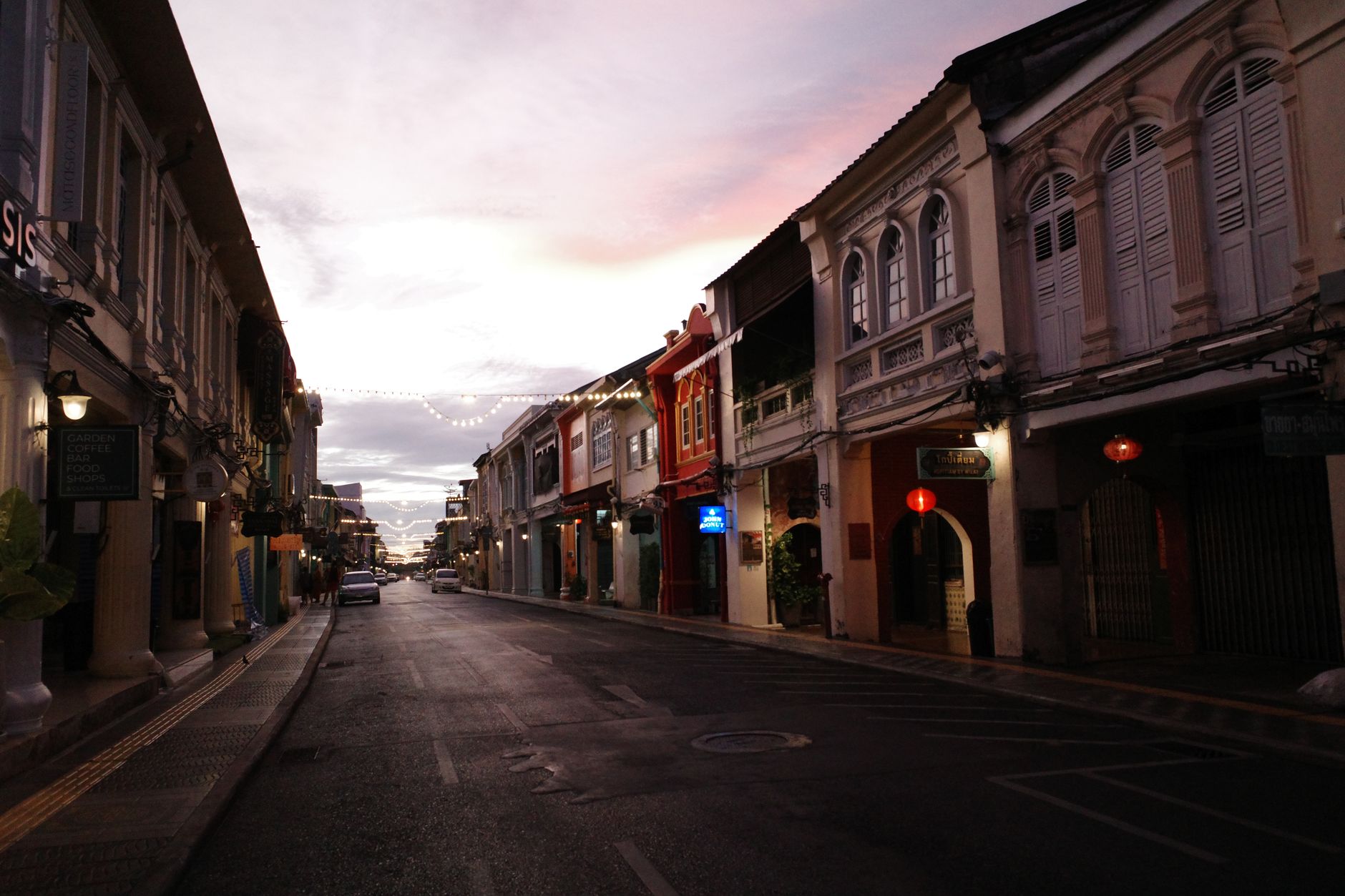
Why Stay in Phuket Town
- Genuinely local atmosphere and lower prices
- Incredible street food and historic cafes
- Easy bus connections to the rest of the island
Why Skip Patong Beach
- Aggressive street vendors and tourist scams
- Overpriced restaurants serving bland food
- Constant noise from bars and night clubs
The Phuket Transport Trap and How to Avoid It
Getting around Phuket is notoriously difficult. The island’s taxi and tuk-tuk drivers operate like a cartel, fixing prices at absurdly high rates. A 10-minute ride that would cost 80 THB in Bangkok will easily cost you 400 THB here. They know you have no other choice, and they exploit it.
Do not walk up to a parked taxi and ask for a price. They will quote you a ridiculous flat rate and refuse to use the meter. Instead, download Grab or Bolt. Even if the wait is slightly longer, the price is locked in the app, saving you from uncomfortable negotiations.
If you’re brave enough to ride a scooter, it’s the cheapest way to get around at about 250 THB per day. But be warned: Phuket’s roads are steep, winding, and highly dangerous. If you don’t have an international driving permit with a motorcycle endorsement, your travel insurance won’t cover you if you crash.
The Jet-Ski Damage Scam
You rent a jet-ski on Patong or Kata beach. When you return it, the operator points out scratches on the bottom and demands 30,000 THB for repairs. They will threaten to call the police, who often side with the locals. Avoid renting jet-skis entirely.
What to Eat: Real Southern Thai Flavor
Most tourists eat at beachside restaurants where the food is toned down for Western palates. It’s expensive and disappointing. Southern Thai food is famous for being incredibly spicy, sour, and rich with coconut milk and turmeric.
Phuket Town has a unique culinary heritage influenced by Chinese immigrants. Try Mee Hokkien, a dish of thick yellow wheat noodles stir-fried with pork, seafood, and a rich gravy. You can get a steaming bowl of this at local shophouses for around 60 THB.
Another local staple is Moo Hong, a sweet and savory braised pork belly dish flavored with black pepper, garlic, and coriander root. It’s slow-cooked until the meat literally melts in your mouth. Skip the beach clubs and head to the local markets for the real deal.

“If the restaurant has a menu with laminated photos of burgers and pad thai on the same page, walk away. You’re about to eat overpriced, mediocre food.”
Escaping the Mainland: Island Hopping Done Right
Everyone wants to see the dramatic limestone cliffs of Phang Nga Bay. But if you book a standard day trip to James Bond Island or Phi Phi, you’ll be sharing the water with dozens of speedboats and hundreds of tourists wearing matching orange life jackets.
For a quieter alternative, take a local ferry from Bang Rong Pier to Koh Yao Noi. The journey takes about 30 minutes and costs 300 THB. This island feels like Phuket did thirty years ago—quiet roads, rubber plantations, and empty beaches.
You can rent a scooter on the pier and ride around the entire island in a couple of hours. There are no mega-resorts here, just small guesthouses and quiet bays where you can watch the traditional longtail boats bobbing in the water.

Phuket Travel FAQ
Is April a good time to visit Phuket?
How do I get from Phuket airport to the beaches?
Is tap water safe to drink in Phuket?
Do I need cash in Phuket?
Navigating Phuket’s transport cartels and finding the best local noodle shops requires a working internet connection. Instead of queuing at the airport to buy an overpriced physical SIM card, get a Phuket eSIM from Galactic Roam before you fly. You can install it in seconds, connect to local networks the moment you land, and use ride-hailing apps to bypass the taxi scams immediately.