Connect Globally

Trusted by Millions

Denmark Travel Guide: How to Experience Hygge, History, and Copenhagen Like a Local

Denmark Travel Guide: How to Experience Hygge, History, and Copenhagen Like a Local

Copenhagen thieves snatched 1,807 bags straight out of moving bicycle baskets last year. It’s a rude awakening in a country we’re told is the world’s safest, most peaceful utopia. I’ve spent years navigating Denmark’s cobblestones, dodging silent cyclists, and figuring out where the postcard fantasy ends and real life begins. This Denmark travel guide will show you how to bypass the tourist traps, save 60% on transit, and experience the country like a local who actually knows the unwritten rules.

Quick Facts — Denmark

Currency
Danish Krone (DKK)
Language
Danish (English widely spoken)
Time zone
Central European Time (CET)
Plug type
Type C, K
Best time to visit
May to August
Visa
Schengen rules apply

Crucial Logistics: Beat the System

Denmark is expensive. There is no sugarcoating it, but you don’t have to bleed cash if you know how the locals play the game.

First, forget about exchanging cash. The country is virtually 100% cashless, meaning you’ll pay for everything from a Michelin-starred meal to a single hot dog with your card or phone.

When it comes to getting around, the Danish State Railways (DSB) offers “Orange” and “Orange Fri” tickets online. These can save you up to 60% compared to standard fares. The catch? You must book them well in advance and keep them on your phone or print them out. They sell out fast during peak summer when Denmark welcomes over 12 million tourists.

Important Copenhagen’s Metro system is ruthlessly efficient and equally unforgiving. If you forget to validate your ticket at the station platform before boarding, you face an instant 750 DKK fine. No excuses, no tourist leniency.

What’s Actually Worth Your Time

Copenhagen has plenty of historic charm, but some attractions require strategy to enjoy. Don’t just queue up with the crowds. Use these insider workarounds to keep your sanity intact.
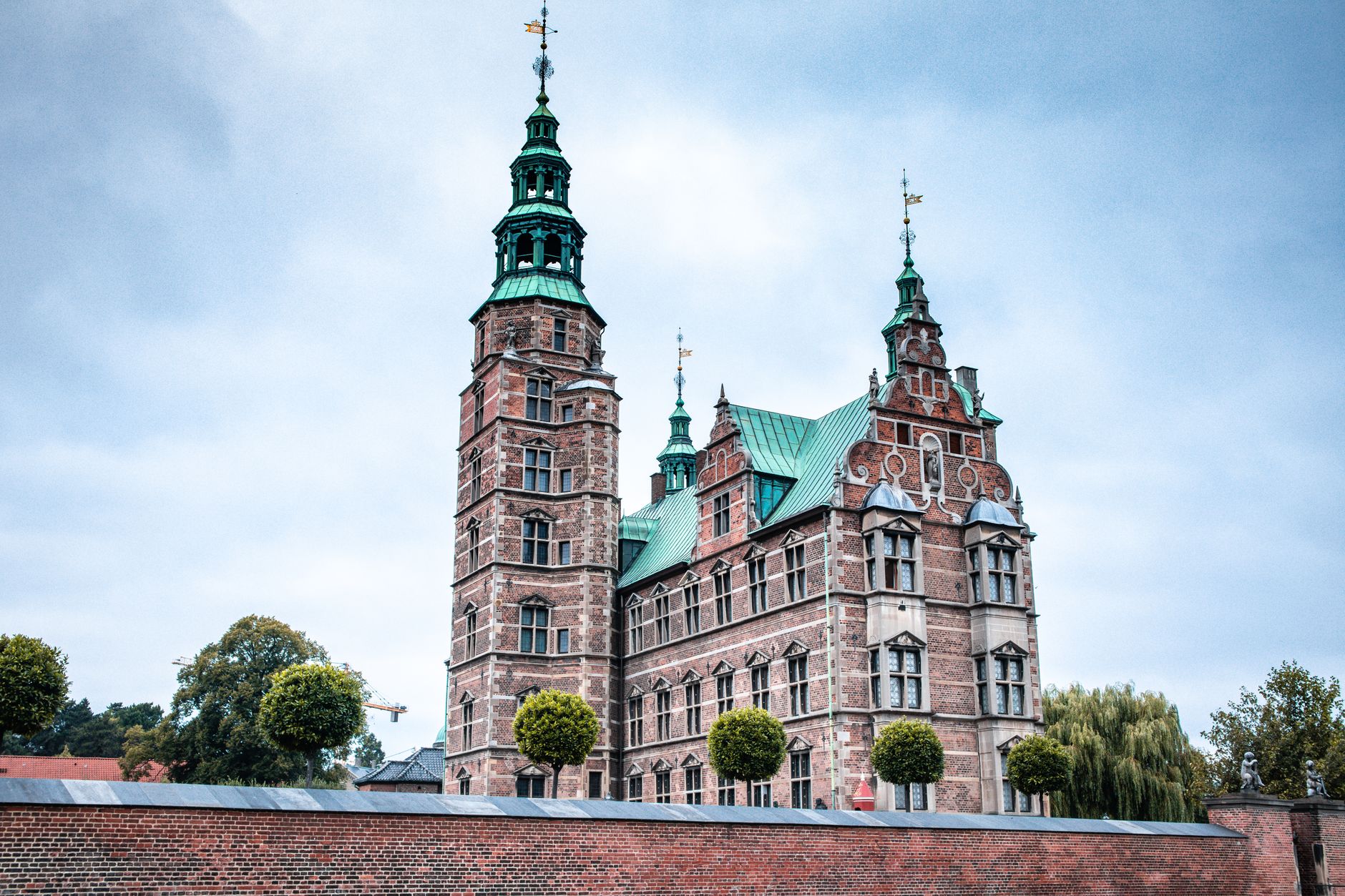
Renaissance style Rosenborg Castle in Copenhagen, Denmark

Rosenborg Castle

This 17th-century Renaissance palace houses the Danish Crown Jewels and Royal Regalia in its basement vaults. If you’re using a Copenhagen Card, you can’t pre-book online; you must scan your card at the ticket office on arrival. Show up exactly at 9:00 AM opening time, or you’ll be assigned a slot hours later—or turned away entirely.

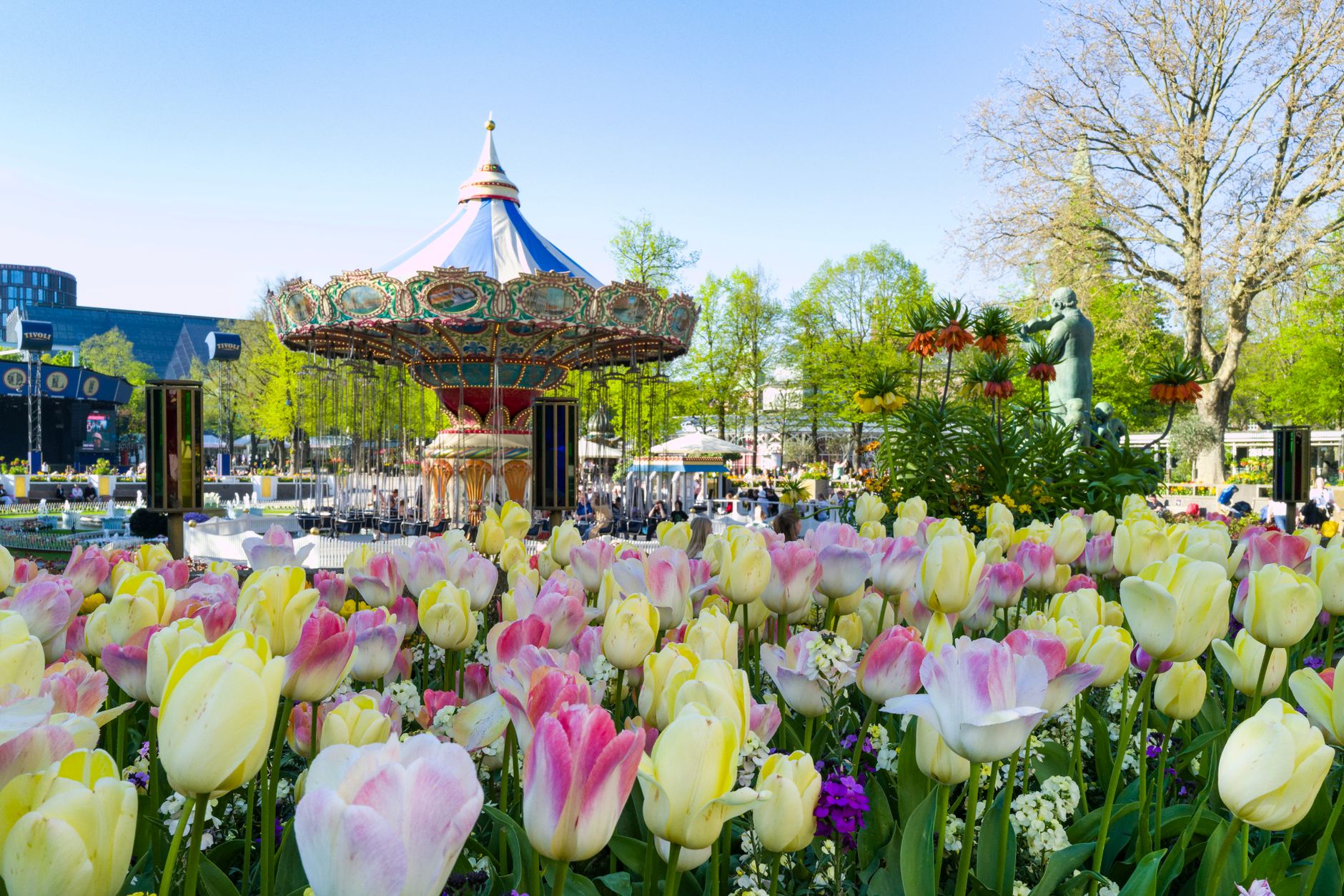
Vibrant spring scene at Tivoli Gardens, Copenhagen

Tivoli Gardens

Operating since 1843, Tivoli is a beautiful mix of vintage rides and lush gardens. Skip the massive queues at the main gates by entering through the Tivoli Food Hall entrance instead. Also, remember that you pay a 5 DKK deposit on takeaway cups here; feed them into a refund machine before you leave to get your coins back.

Cisternerne (The Cisterns)

An eerie, underground exhibition space housed in a former Victorian water reservoir beneath Søndermarken park. It hosts one massive, immersive art installation each year in near-total darkness. It is cold and damp (around 8-10°C) even in July, so bring a jacket. Note that it closes completely from late November to mid-March.
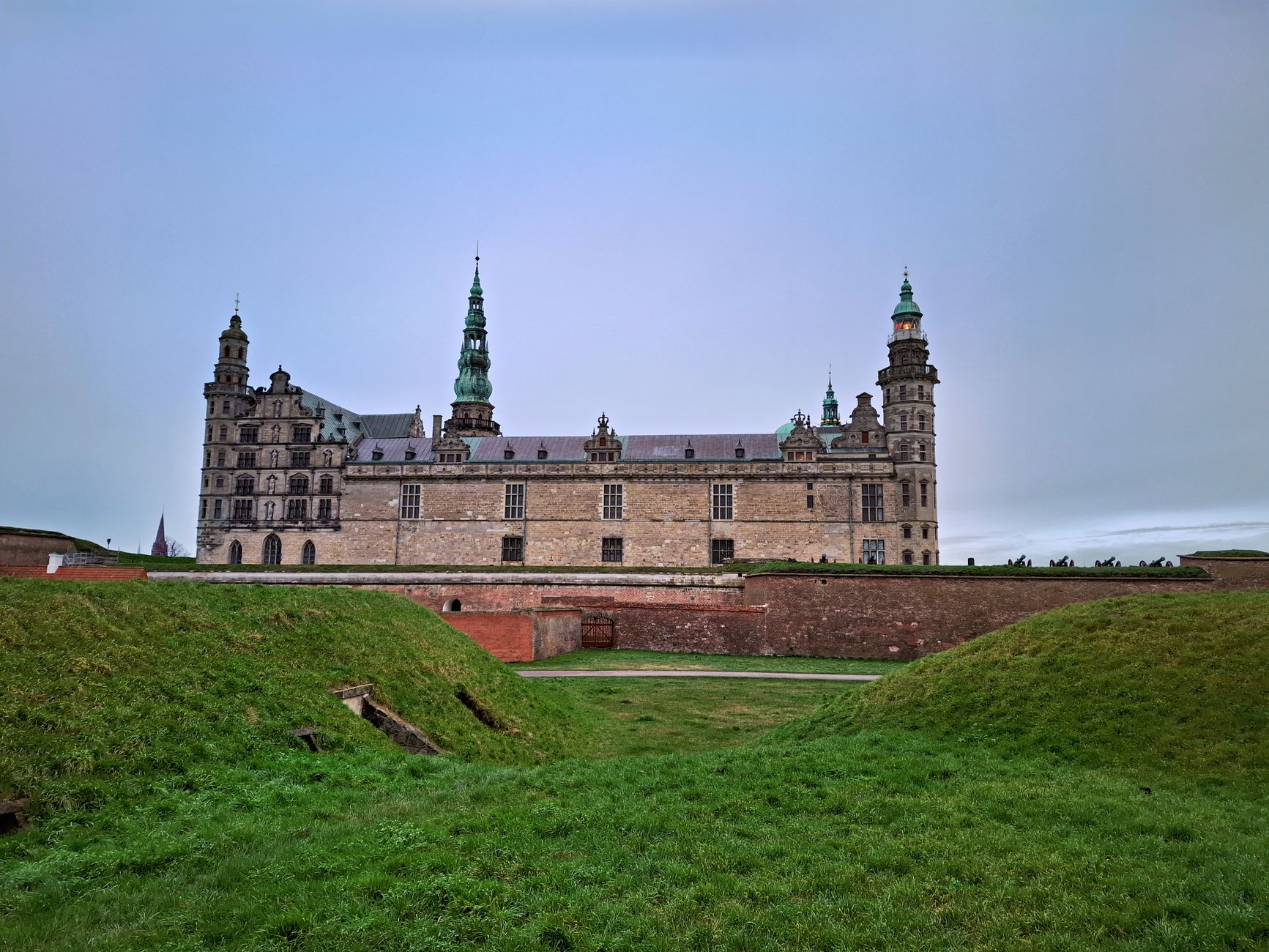
Kronborg Castle exterior in Helsingør, Denmark

Kronborg Castle (Helsingør)

This UNESCO-listed fortress is the legendary setting of Shakespeare’s Hamlet. Take the DSB Kystbanen train from Copenhagen Central to Helsingør—it’s a scenic 45-minute ride to the final stop. In summer, actors perform “Hamlet Highlights” live in the courtyard. Combine this with a stop at the Louisiana Museum of Modern Art on the same train line.

What to Eat: Real Danish Flavors

Danish food is far more than just butter cookies. Copenhagen is a global culinary heavy hitter, but you don’t need a reservation at Noma to eat exceptionally well. Start with the classics, but eat them the right way.
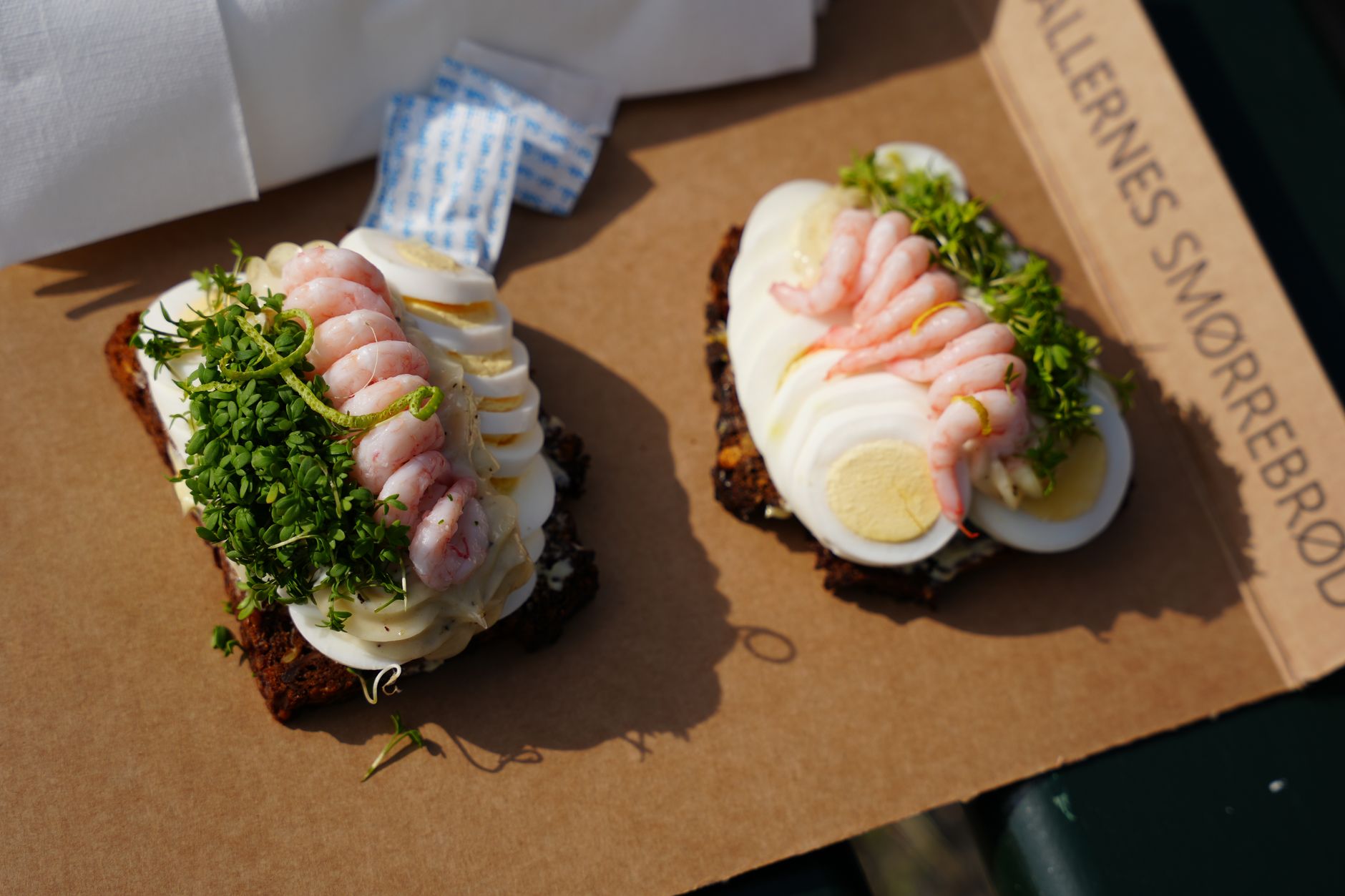
Delicious Danish smørrebrød on rye bread

Smørrebrød

These open-faced sandwiches feature dense, dark rye bread piled with pickled herring, roast beef, or fried plaice. Never eat them with your hands—it’s a knife-and-fork affair. Try Restaurant Schønnemann for a historic vibe, or Selma for a modern twist. Expect to pay 90 DKK to 240 DKK per piece.

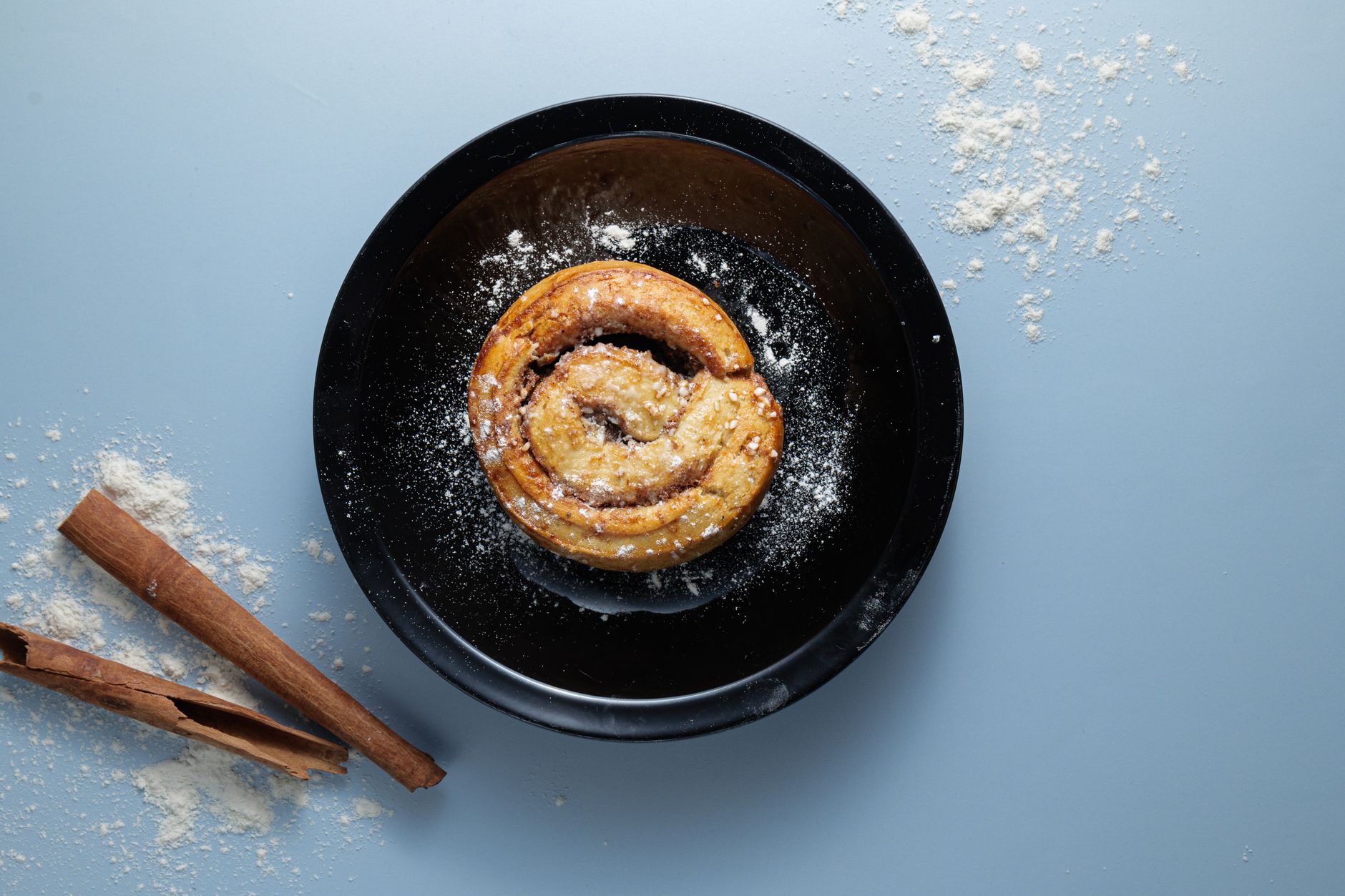
Delicious cardamom bun with sugar dusting

Kardemommesnurrer

These twisted cardamom buns are sticky, caramelized, and intensely fragrant. Juno the Bakery in Østerbro makes the absolute best in town, pulled hot from the oven all day long. A single bun costs 30 DKK to 35 DKK and is worth every single crumb.

Festive Danish hot dog with beer at Christmas market

Organic Hot Dogs (Rød Pølse)

The ultimate Danish street food. Grab a traditional red pork sausage in a bun topped with remoulade, pickles, and crispy onions for 40 DKK to 45 DKK. Find the DØP organic carts parked near the Round Tower or on Amagertorv.

Safety & Local Etiquette

Denmark is incredibly safe, but tourists are easy targets for specific petty crimes and local blunders. First, let’s talk about the bikes. Copenhagen is a cycling city, and those red-paved lanes are active highways. Never step into one without looking both ways—cyclists ride fast, have the right of way, and will not stop for you.

Bicycle basket snatching is a growing issue. Thieves on foot or scooters target busy routes like Nørrebrogade and Dronning Louises Bro, grabbing bags right out of baskets while you’re stopped at red lights. Secure your bag to the frame or wear it cross-body.

If you head to Freetown Christiania, remember that rules still apply. While the famous open-air cannabis market on Pusher Street has been dismantled, tension remains. Strictly obey the “no photography” signs in central areas, don’t buy illegal substances, and keep your wits about you.

Frequently Asked Questions

How do I get from Copenhagen Airport to the city center?
Take the regional train or Metro directly from Terminal 3. It takes just 13 to 15 minutes to reach Copenhagen Central Station (København H) or Nørreport. A single ticket costs 30 to 36 DKK, but make sure to validate it before boarding to avoid a hefty fine.
Do I need to tip at restaurants in Denmark?
No, tipping is not expected or required. Service charges are legally included in your restaurant bills and taxi fares. If you receive truly exceptional service, rounding up the bill to the nearest 50 or 100 DKK is a nice gesture, but completely optional.
Is Denmark completely cashless?
Yes, Denmark is virtually 100% cashless. You can pay for everything—from high-end dining to street food and public transit—using credit cards or mobile payments. There is no need to exchange or carry physical Danish Kroner (DKK).

Staying Connected in Denmark

Denmark ranks 9th globally for mobile internet speeds, averaging a blistering 202 Mbps. While free public WiFi is everywhere, you’ll want reliable data to navigate transit apps and validate tickets on the go. You can buy a physical local SIM at Copenhagen Airport convenience stores for 35 to 50 DKK, but these starter packs only include minimal data and require manual activation. Plus, airport shops close overnight, and many local prepaid brands like Lebara don’t include EU data roaming—meaning your connection dies the second you cross the bridge into nearby Sweden.

To avoid the hassle of sold-out airport SIM cards or manual registration, grab a Denmark eSIM from Galactic Roam before you fly. It connects instantly to Denmark’s top 5G networks the moment you land, keeping you connected across borders without swapping physical cards. It’s the easiest way to keep your maps loaded, your tickets validated, and your journey completely stress-free.

Get your Denmark eSIM


Hungary Travel Guide: What to Know Before You Go

Hungary Travel Guide: What to Know Before You Go

Hungary welcomed over 20 million overnight guests last year, and 8.1 million of them crammed directly into Budapest. With crowds surging by 13% year-over-year, navigating this neo-Gothic playground in 2026 requires more than just showing up with a map. I’ve spent years navigating the thermal baths, ruin bars, and underground bunkers of this country to figure out what’s actually worth your time. This practical Hungary travel guide will keep you from getting scammed by fake transit police, overpaying for taxi rides, or showing up to a fully booked wine cellar. If you are planning to explore more of Central Europe, don’t miss our comprehensive poland travel guide, our slovakia travel guide, and our romania travel guide.

Quick Facts — Hungary

Currency
Hungarian Forint (HUF)
Language
Hungarian (Magyar)
Time zone
Central European Time (CET)
Plug type
Type C and F
Best time to visit
May to September
Visa
Schengen Zone (Etias required)

Key Takeaways

  • Best time to visit: May to September for warm patio weather, or December for the spectacular Christmas markets.
  • Budget needed: $70–$130 USD per day covers mid-range dining, transit, and entry fees.
  • Must book ahead: Faust Wine Cellar (at least a week in advance) and the Hospital in the Rock guided tours.
  • Getting around: Budapest’s metro and tram network is incredibly efficient; use the BudapestGO app for everything.

The 2026 Reality Check: Accommodation & Logistics

If you’re planning to book a cheap apartment in Budapest’s trendy 6th District (Terézváros), I have bad news. A strict short-term rental ban took effect here in 2026, wiping out 40% of the private rental capacity in the district overnight. You’ll need to book traditional hotels well in advance, or look for rentals in neighboring districts like the 5th or 7th.

Getting from Ferenc Liszt International Airport into the city center is straightforward if you avoid the taxi touts. The 100E Airport Express bus runs 24/7 directly to Deák Ferenc tér for 2,500 HUF (~$7) one way. You can tap your contactless bank card directly on the bus using the Pay&GO system, or buy a ticket in the BudapestGO app.

If you prefer a car, never hail a taxi off the street. Freelance “taxi hyenas” hang around transit hubs and will happily charge you €80 for a €30 ride. Use the official Főtaxi booth outside the arrivals terminal, or use the Bolt or Uber apps—the latter officially returned to Budapest in mid-2024 and works seamlessly.

What’s Actually Worth Your Time (and What to Skip)

Everyone goes to the Széchenyi Thermal Bath. It’s a massive, yellow neo-baroque complex with 18 pools, and yes, it’s beautiful. But if you show up at 2pm, you’ll be bathing in lukewarm water with thousands of strangers. Arrive before 9:00 AM to get the pools to yourself. If you buy a ticket on-the-spot, use the side entrance near the Széchenyi Fürdő metro station (M1 line) to skip the main queue, and always pay extra to rent a “cabin” instead of a locker for private changing space.

For something less crowded, head under the Buda Castle to the Hospital in the Rock (Sziklakórház). This secret Wwii emergency hospital and Cold War nuclear bunker is carved directly into the natural cave system. It’s eerie, packed with original 1950s medical gear, and stays a chilly 15-18°C (59-64°F) year-round—bring a light jacket even in July. You must book online in advance as it’s guided-only, and leave your camera in your bag because photography is strictly banned inside.

If you want a drink afterward, skip the overpriced tourist pubs and head 54 steps down into a 13th-century Dominican Cloister cave. This is the Faust Wine Cellar, located beneath the Hilton Budapest Hotel. It only has four tables, meaning drop-ins are virtually impossible. You must email them at least a week in advance to secure a spot for their curated Tokaji Aszú tastings.

Faust Wine Cellar Hungary
Dusty wine bottles aging in the historic Faust Wine Cellar beneath Buda Castle.

The Food Scene: Beyond the Tourist Menus

Hungarian food is heavy, paprika-laden, and spectacular if you know where to look. Avoid the restaurants on Váci utca—they’re overpriced tourist traps serving bland food. Instead, seek out these three staples at the right spots.

Lángos

Deep-fried flatbread rubbed with garlic water and topped with sour cream and grated cheese. Get the premium version at Retró Lángos on Vécsey utca (2,490 to 3,490 HUF) or join the locals at the Flórián Square underpass for the traditional potato-dough version.

Paprikás Csirke (Chicken Paprikash) Hungary food

Paprikás Csirke (Chicken Paprikash)

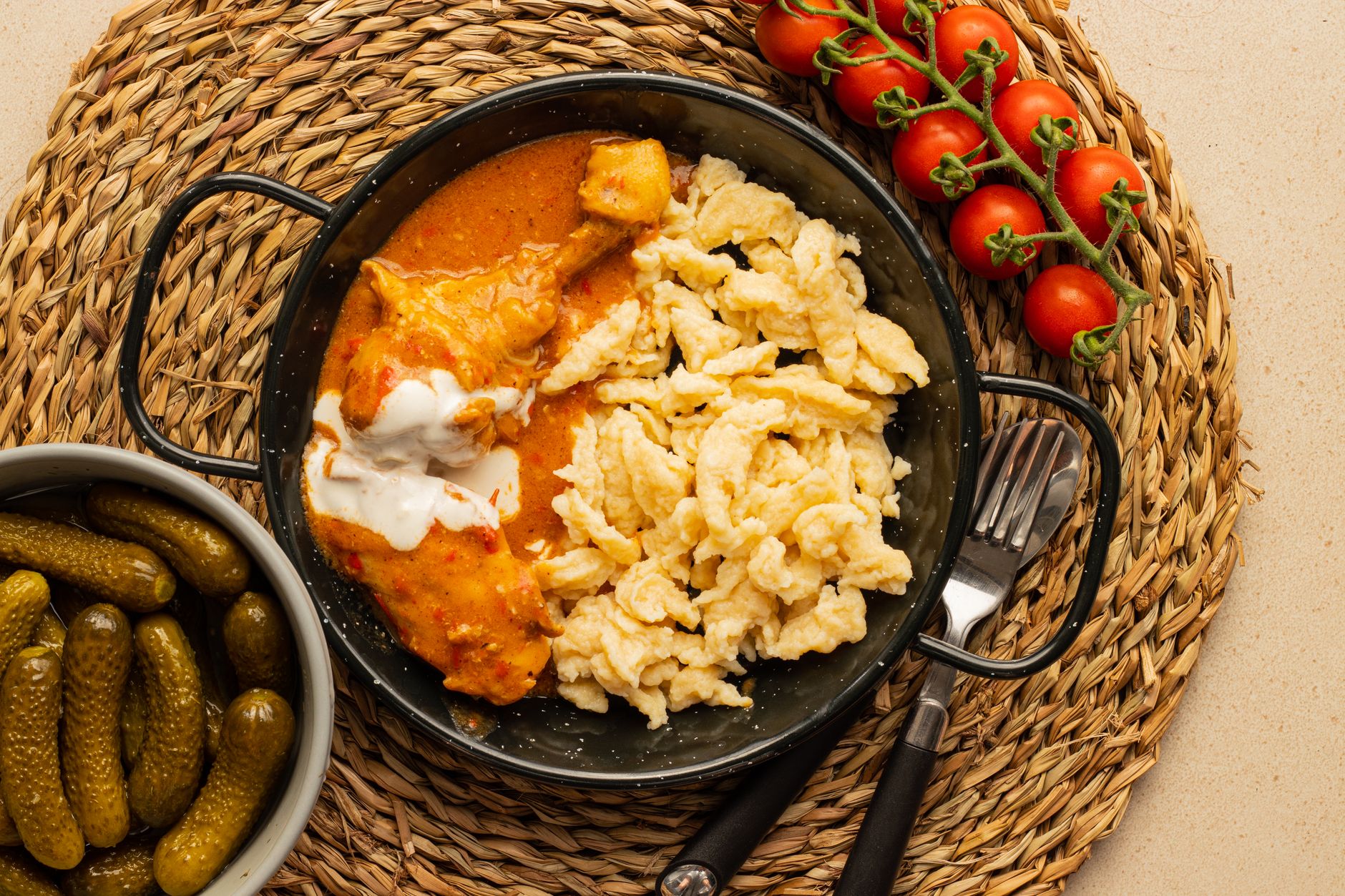
Tender chicken simmered in a rich, creamy sour cream and sweet Hungarian paprika sauce, served with nokedli (egg dumplings). Order it at Gettó Gulyás in the Jewish Quarter or Frici Papa on Király utca for 4,000 to 6,000 HUF.

Kürtőskalács (Chimney Cake) Hungary food

Kürtőskalács (Chimney Cake)

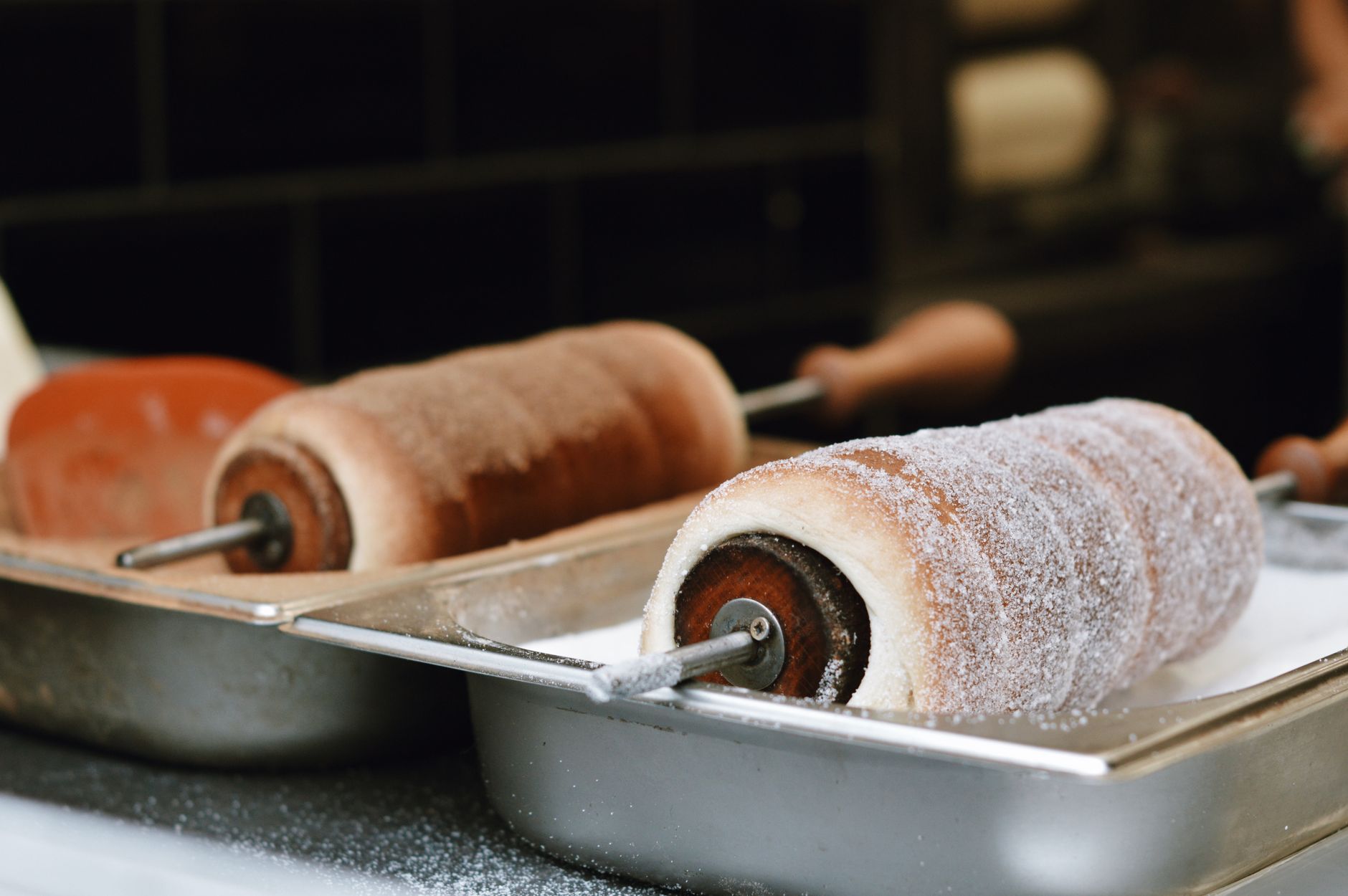
Sweet yeast dough spun on a spit, rolled in sugar, and baked over charcoal until caramelized. Buy one at Édes Mackó in City Park (1,500 to 2,500 HUF)—they even do gluten-free versions on Wednesdays and Fridays.

Scams and Safety: How Not to Get Ripped Off

Budapest is generally very safe, but its scammers are highly sophisticated. Keep your guard up in high-traffic tourist zones.

The Konzumlány (Bar Companion) Scam

On Váci utca, attractive local women will ask you for directions or invite you to a “cool local bar.” Once inside, you’ll be forced to pay bills ranging from €500 to €5,000 for a few drinks, backed up by intimidating bouncers. Never follow strangers to a venue; always check Google Maps reviews first.

Fake Transit Inspectors

Scammers posing as BKK transit inspectors target tourists at Deák Ferenc tér and Keleti station, demanding immediate cash fines for “invalid tickets.” Real inspectors wear official armbands, carry photo IDs, and are legally barred from collecting cash on the spot—they only issue written notices. If someone demands cash, refuse and ask to walk to the nearest police station.

The Ticket Validation Trap

If you use physical paper transit tickets, you must punch them in the orange or red machines on the bus or at the metro entrance before boarding. Simply holding the ticket is not enough. Real inspectors will fine you 12,000 HUF (~$33) on the spot for an unvalidated ticket. Use the BudapestGO app to buy and scan digital tickets to avoid this headache entirely.

Frequently Asked Questions

Do I need cash in Hungary?
Hardly ever. Hungary is almost entirely cashless; you can tap your card for everything from taxis to ruin bars. Keep a few 500 and 1,000 HUF notes on hand just for public restrooms and small market stalls. When tipping, check if “szervízdíj” (service charge) is already on the bill—if not, tell the server the total amount you want to pay before they swipe your card, as they don’t leave cash on the table.
What is the best way to get around Budapest?
The public transit system is world-class. The yellow Tram 2 runs along the Danube and offers the best views of the Parliament building for the price of a standard ticket (450 HUF). Download the BudapestGO app to purchase single tickets, time-based passes, and to plan your routes in real-time.
Is Budapest safe for solo travelers?
Yes, it’s exceptionally safe compared to most European capitals. Violent crime is rare, but pickpocketing is common on crowded trams (especially Trams 4 and 6) and around major tourist hubs. Keep your bag zipped, don’t leave your phone on outdoor tables, and ignore anyone offering to take you to a “secret” local bar.

Staying Connected Without the Hassle

While Hungary has excellent 4G and 5G networks, getting connected on arrival can be a chore. Buying a physical prepaid SIM card at the airport or a city store requires standing in long queues and presenting your passport for mandatory registration. Plus, if you’re visiting during major summer events like the Sziget Festival, local networks get heavily congested. Skip the lines and the plastic waste by downloading a Hungary eSIM from Galactic Roam before you land, giving you instant data the second your plane touches down in Budapest.

Get your Hungary eSIM


Belgium Travel Guide: How to Explore Brussels, Bruges, and Ghent

Belgium packs nine million annual visitors into a country the size of Maryland. Most of them crowd into the exact same three town squares, completely missing how easy it is to escape the herd. Having navigated the country’s newly overhauled rail system, I’ve put together this practical Belgium travel guide to help you bypass the tourist traps, eat where the locals actually go, and explore Brussels, Bruges, and Ghent without getting scammed. Let’s get into how to do it right.

Quick Facts — Belgium

Currency
Euro (€)
Language
Dutch, French, German
Time zone
GMT+1 (CET)
Plug type
Type C and E
Best time to visit
April to June, September to October
Visa
Schengen rules apply

The 2026 Rail Rules: Crucial Logistics

If you’re planning to ride the rails between Brussels, Bruges, and Ghent, pay attention. Belgium completely overhauled its national rail (Sncb) ticketing system. The old flat-rate multi-ride passes you read about on old blogs—like the Standard Multi—are dead.

They’ve been replaced by distance-based pricing and a new ‘Train+’ discount card. The good news? The maximum price for a standard domestic second-class ticket is now capped at €20.90, thanks to a 120km distance-based fare cap.

But here’s the trap: starting July 1, 2026, you cannot buy tickets on board the train anymore. If you board without a ticket, you’ll face a massive fine. Buy your ticket on the Sncb app, website, or at a station machine before stepping onto the platform.

What to See: Brussels, Bruges, and Ghent

The Marolles District, Brussels

Skip the overpriced, tourist-trap chocolate and waffle museums in the center of Brussels. They’re designed to separate you from your Euros as quickly as possible. Instead, spend your Sunday morning wandering the Marolles, one of the city’s oldest and most authentic neighborhoods.

Browse the daily flea market at Place du Jeu de Balle, then grab a traditional Belgian beer at an old-style pub like Moeder Lambic or Daringman. It’s gritty, real, and completely devoid of selfie sticks.

The Marolles District, Brussels Belgium
A quiet winter morning in the historic Marolles District of Brussels.

Sint-Baafskathedraal, Ghent

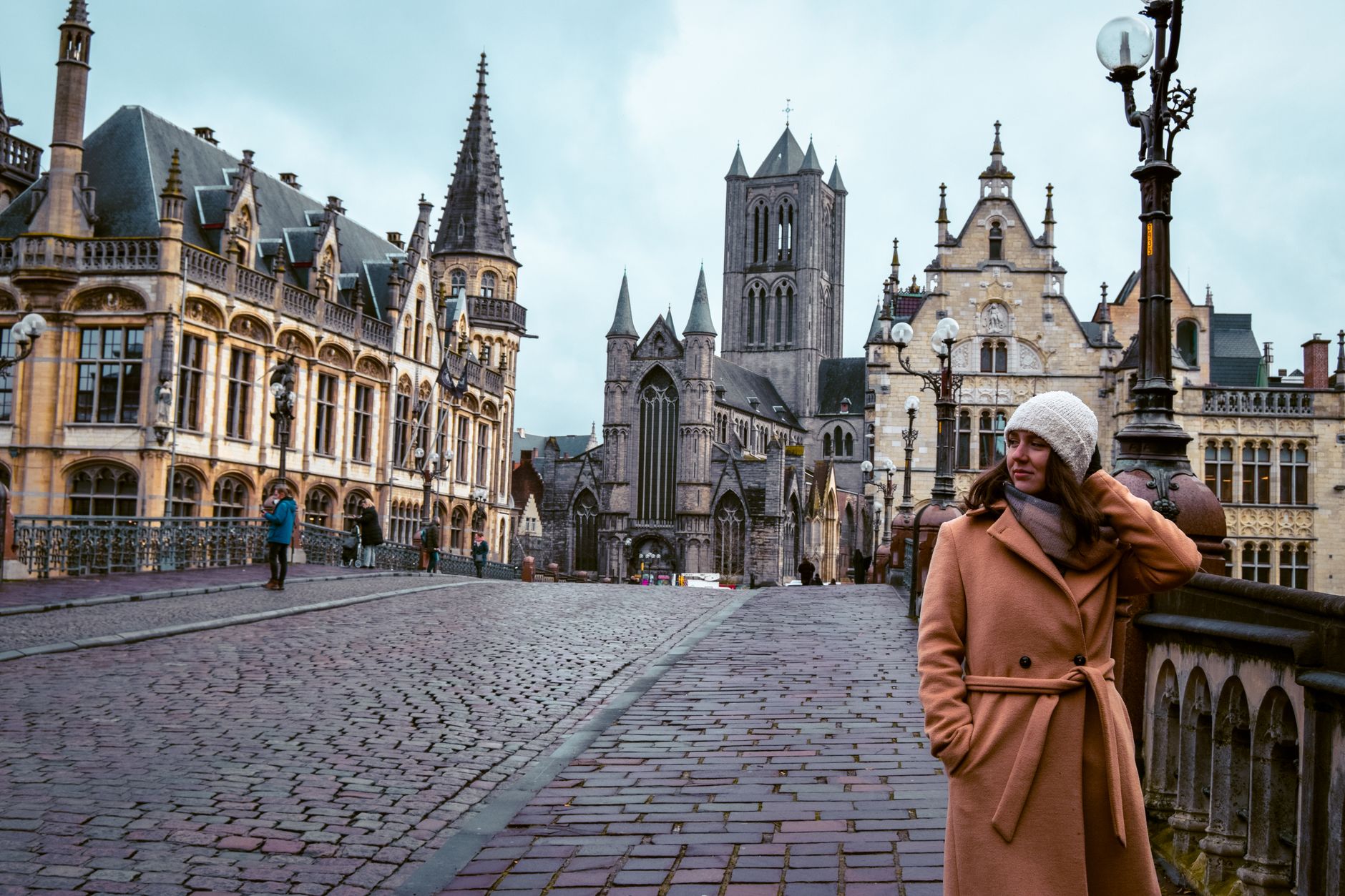
Ghent is often overlooked for Bruges, which is a mistake. St. Bavo’s Cathedral houses the world-famous Ghent Altarpiece, ‘The Adoration of the Mystic Lamb’ by the Van Eyck brothers. It’s a masterpiece of early Flemish painting, but most people don’t know how the viewing ends.

The altarpiece viewing area closes daily at exactly 16:55 with a highly theatrical closing of the wooden panels. Arrive by 16:00 so you can actually study the details before they shut the doors on you.

Sint-Baafskathedraal (St. Bavo's Cathedral), Ghent Belgium
The imposing stone facade of Sint-Baafskathedraal in Ghent.

The Historic Canals & Rozenhoedkaai, Bruges

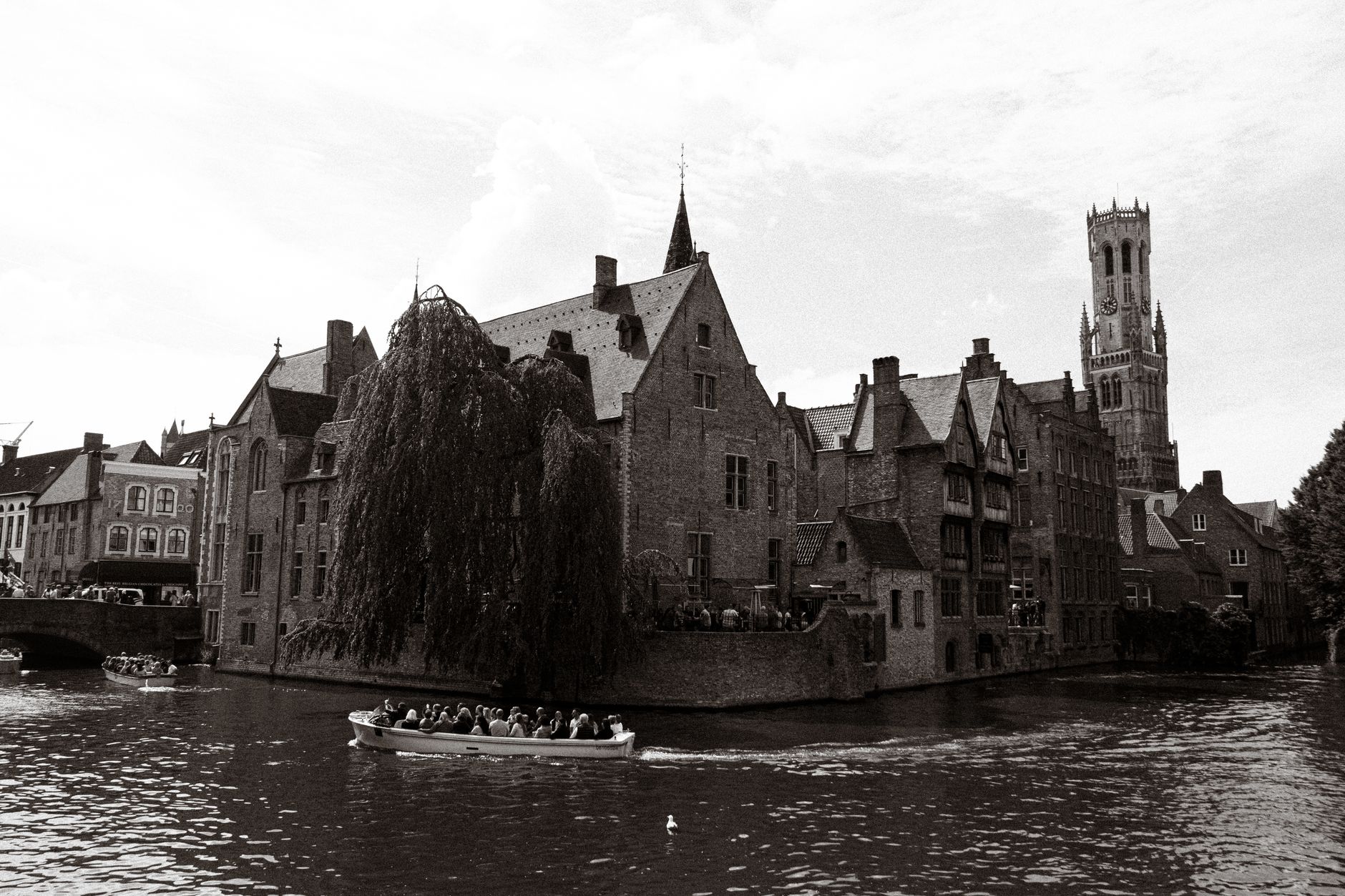
Yes, Rozenhoedkaai is the most photographed spot in Bruges. Yes, it looks like a postcard where the Dijver and Groenerei canals meet against medieval backdrops. But if you show up at noon, you’ll be fighting three hundred cruise ship passengers for a square inch of standing room.

Go between 7:00 AM and 9:00 AM, or wait until after 18:00 when the day-trippers clear out and the city actually feels medieval again. Alternatively, rent a bike and cycle the scenic 7km canal path to the quiet nearby village of Damme.

The Historic Canals & Rozenhoedkaai, Bruges Belgium
The iconic Rozenhoedkaai canal view in Bruges during a quiet moment.

What to Eat (and Where to Find It)

Carbonnade Flamande (Stoverij)

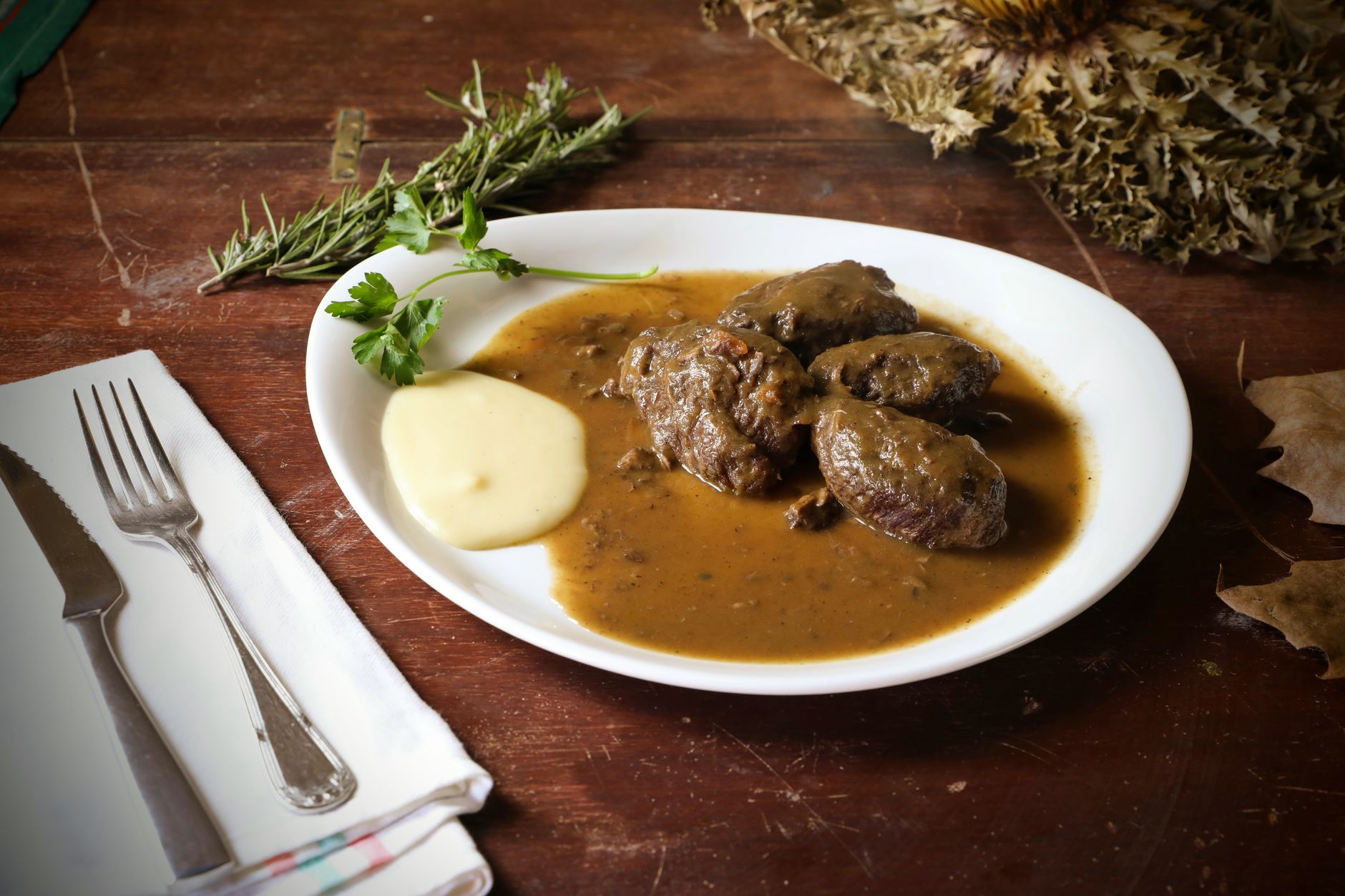
This is the ultimate Belgian comfort food—a rich, slow-cooked beef stew braised in dark Belgian beer, onions, and thyme, sweetened slightly with gingerbread spread with mustard. It’s thick, savory, and perfect after a cold day of walking.

Get it at Brasserie Ommegang in Brussels, which won ‘Best Carbonnade in Brussels’ using Tongerlo Brune beer, or Fin de Siècle. Expect to pay between €18 and €25.

Carbonnade Flamande (Stoverij) Belgium food
A traditional plate of slow-cooked Belgian beef stew with rich gravy.

Vol-au-Vent

This is a delicate puff pastry shell filled with a creamy mixture of chicken, mushrooms, and tiny meatballs. It’s decadent, heavy, and absolutely worth the calorie count. Head to La Pierre Bleue in Brussels, which took home the award for ‘Best Vol-au-Vent in Brussels 2025’. Expect to pay €18 to €26.

Belgian Fries (Frites)

Never order fries in a sit-down restaurant; they’re almost always overpriced and disappointing. Instead, look for local street kiosks called ‘fritkoten’ or ‘friteries’ like Chez Papy or Maison Antoine in Brussels. They double-fry thick-cut potatoes in beef tallow (ox fat) for a crispiness you can’t replicate at home. A paper cone will run you €3 to €6.

Safety & Scams to Dodge

The ‘Play Tackle’ / Football Scam

In Brussels’ Grand-Place and busy pedestrian zones, a stranger will approach you playfully, ask for a lighter, or talk about football, then physically grab or ‘play tackle’ you. While you’re confused, an accomplice will lift your wallet. Firmly maintain your personal space and walk away immediately if anyone tries to touch you.

The ‘Fake Police Badge’ Scam

Around Brussels-Midi (Zuid) station, scammers in plain clothes will flash a fake badge, claim to be police officers, and demand to inspect your wallet for ‘counterfeit bills’ or ‘drug money’. Real Belgian police will never inspect your cash on the street. Insist on walking to the nearest official police station before showing anything.

Luggage and Phone Snatching

Thieves target distracted tourists carrying heavy bags at Brussels-Midi, Brussels-North, and on international trains like the Eurostar. Keep your phone in zipped inner pockets, especially on escalators. If arriving at Brussels-Midi, immediately transfer to a local train to Brussels-Central (free with your international ticket) to bypass the sketchy surrounding neighborhood.

Frequently Asked Questions

How do I get from Brussels Airport to the city center?

Take the train from basement level -1 directly to Brussels Central or Midi. It runs four times an hour, takes 20 minutes, and costs approximately €10.30, which includes the mandatory ‘Diabolo’ airport passenger fee.

Can I pay with a card everywhere in Belgium?

Belgium is almost entirely cashless, and cards are accepted everywhere. However, always carry a few €1 and €2 coins, as public restrooms (even in train stations and malls) almost always charge a €0.50 to €1.00 entry fee.

How does public transit ticketing work in different regions?

In Brussels (Stib/Mivb) and Flanders (De Lijn – Ghent, Antwerp), you can tap your contactless bank card or phone directly on the vehicle validators to pay. In Wallonia (TEC), contactless tap-on-board is not live yet; you must buy a €2.80 flat-fare ticket via the TEC app or vending machines before boarding.

Is Belgium really the castle capital of the world?

Yes. Belgium has the highest density of castles per square kilometer in the world. If you want to escape the cities, renting a car for a day to tour the countryside is highly rewarding.

Staying Connected Without the Bureaucracy

Staying connected while moving between these medieval cities is easy, but buying a local physical SIM card is a hassle. Belgium enforces strict mandatory ID registration laws for all prepaid SIM cards, meaning you must present a physical passport in-person at a retail store to activate one. Plus, airport kiosks will charge you €20 to €30 for a measly 3 to 10 GB of data. Skip the lines and the passport checks entirely. Grab a Belgium eSIM from Galactic Roam before you fly. You’ll get instant, reliable 4G and 5G coverage the moment you land, without having to hand your passport to a stranger in a convenience store.

Get your Belgium eSIM


Baku Travel Guide: How to Explore the Caspian Sea’s Windy Capital

By late September 2026, Baku’s streets will transform into a high-octane Formula 1 racetrack, shutting down the city center. If you are planning a trip around the Grand Prix—running September 23 to 26—or just want to beat the crowds, you need a solid game plan. I’ve navigated Baku’s labyrinth of ancient stone alleys and ultra-modern skyscrapers to bring you this practical Baku travel guide. You’ll learn how to dodge the notorious taxi scams, where to find the best 1 AZN street food, and how to stay connected without getting blocked by local laws.

Quick Facts — Azerbaijan

Currency
Azerbaijani Manat (AZN)
Language
Azerbaijani
Time zone
GMT+4
Plug type
Types C and F
Best time to visit
April to June, September to October
Visa
Asan e-Visa (apply online before arrival)

The F1 2026 Alert & When to Visit

Baku is a city of wild contrasts. One minute you are walking past medieval stone walls, and the next you are staring at three giant LED-covered skyscrapers shaped like flames. It is also incredibly windy—they do not call it the “City of Winds” for nothing.

If you are visiting in 2026, keep a close eye on the calendar. The Formula 1 Azerbaijan Grand Prix runs from September 23 to 26, 2026. Uniquely, the main race takes place on Saturday, September 26, to avoid clashing with the national Remembrance Day on Sunday.

Expect massive road closures around Baku Boulevard and the Old City during this week. Hotel prices skyrocket, and crowds swell. If you are not there for the race, avoid this window entirely. Otherwise, book your bed at least six months in advance.

2.5M+
Annual Visitors
0.60
Metro Fare (AZN)
1.5B
Tourist Spend (AZN)
8,000+
Miniature Books

What to See: The Best of Baku

Baku’s sights are highly concentrated, making it easy to cover the highlights in a few days. Here is what is actually worth your time, along with the insider tricks to avoid the crowds.

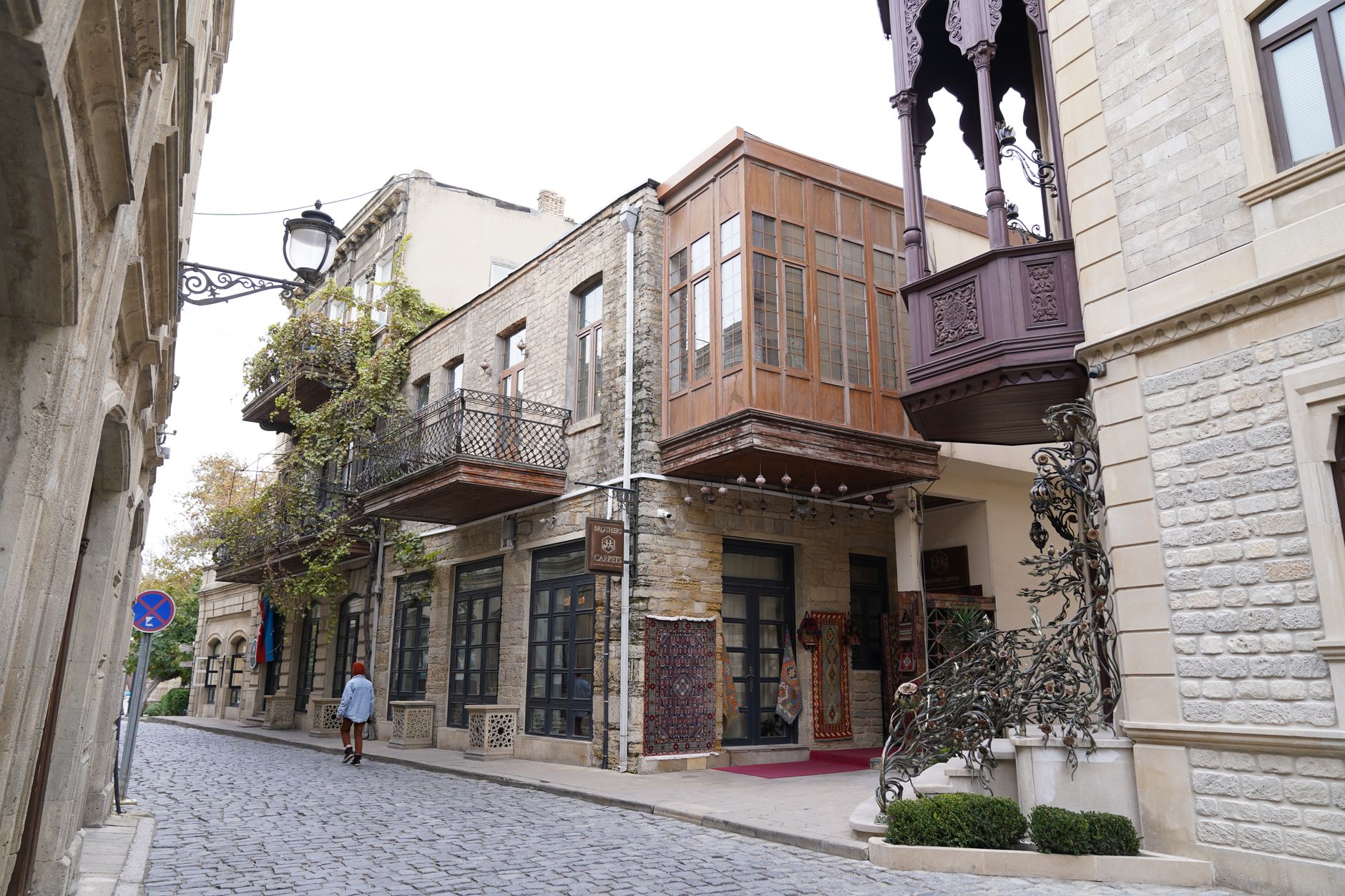
Icherisheher (Old City) Azerbaijan

Icherisheher (Old City)

This UNESCO World Heritage site is a maze of narrow stone alleys and historic mosques. Enter through the massive stone gates at 8:30 AM. The morning light catches the golden limestone beautifully, and you’ll have the streets to yourself before the tour buses arrive, saving you 30 minutes of queuing at the Palace of the Shirvanshahs.

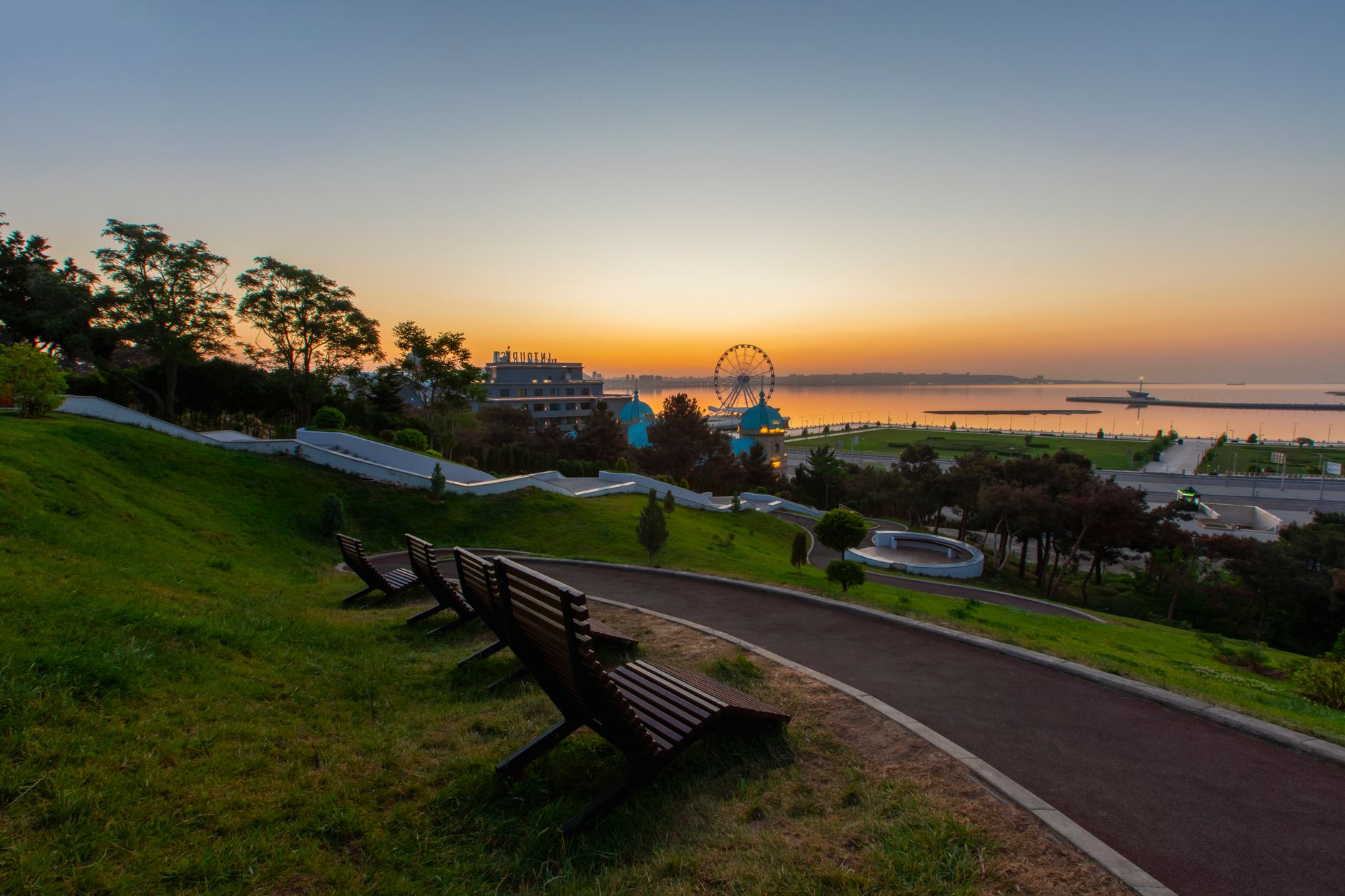
Baku Funicular & Highland Park Azerbaijan

Baku Funicular & Highland Park

This spot offers the highest panoramic viewpoint over the Caspian Sea and the Flame Towers. The funicular train only carries 20 people at a time and runs every 20 minutes, leading to massive lines at sunset. Skip the queue entirely and walk up the scenic steps next to the track—it is a great workout and completely free.
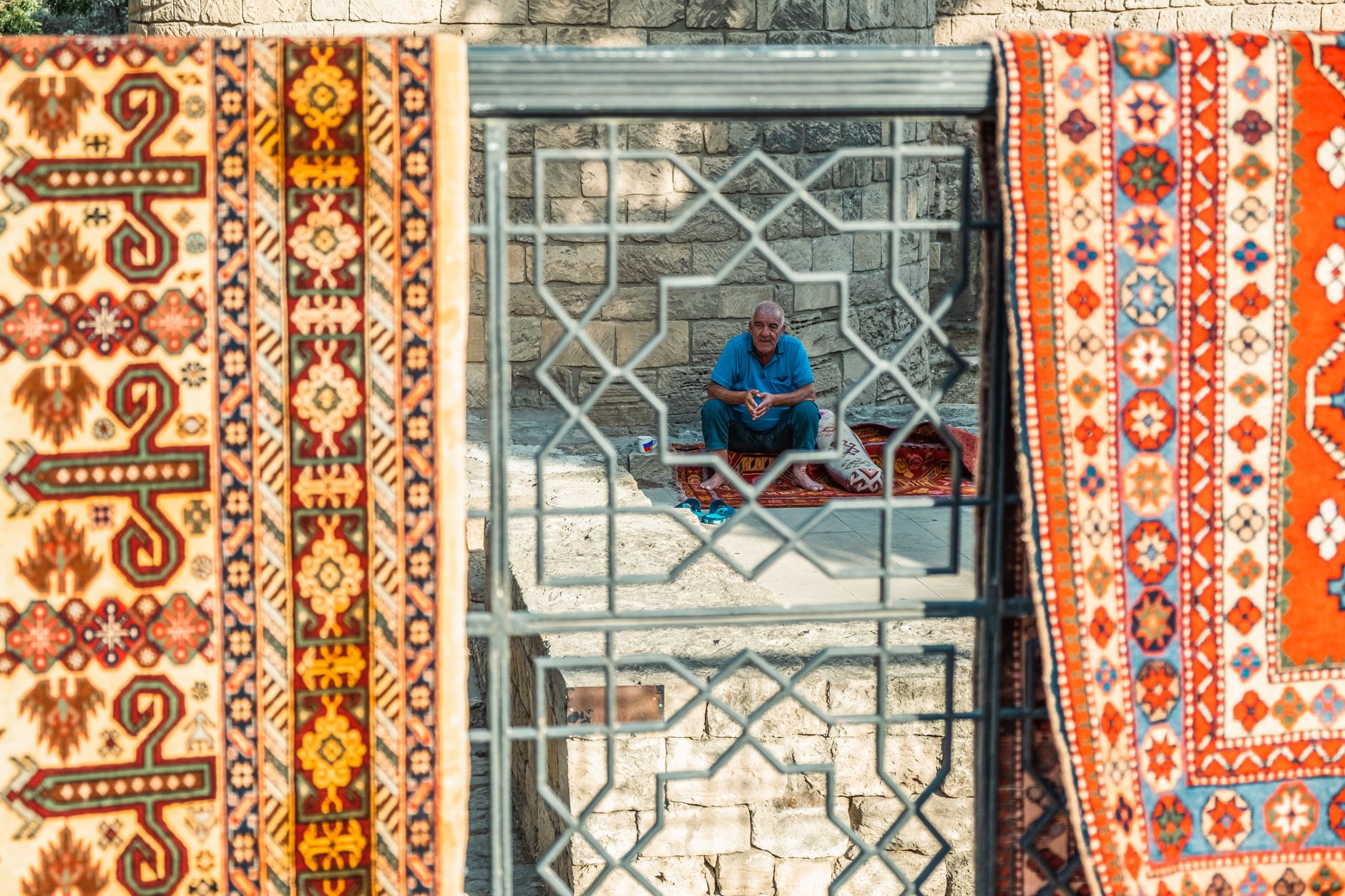
Azerbaijan Carpet Museum Azerbaijan

Azerbaijan Carpet Museum

Housed in a whimsical building shaped like a giant rolled carpet, this museum celebrates the country’s textile heritage. Head straight to the second floor where local women demonstrate the intricate art of hand-weaving in real-time. Look closely for the 19th-century ‘Khila buta’ carpet, which features Zoroastrian flame symbols.

Museum of Miniature Books Azerbaijan

Museum of Miniature Books

Tucked away in the Old City, this quirky museum holds a Guinness World Record for its collection of over 8,000 tiny books. Entry is completely free, but it is closed on Mondays and Thursdays. Bring your own reading glasses or use your phone’s zoom, as they do not provide magnifying glasses for the 2mm books.

What to Eat: Traditional Azerbaijani Cuisine

Azerbaijani food is a heavy, delicious mix of Turkish, Middle Eastern, and Central Asian influences. Lamb, fresh herbs, and saffron rice dominate the menus here.

Qutab Azerbaijan food

Qutab

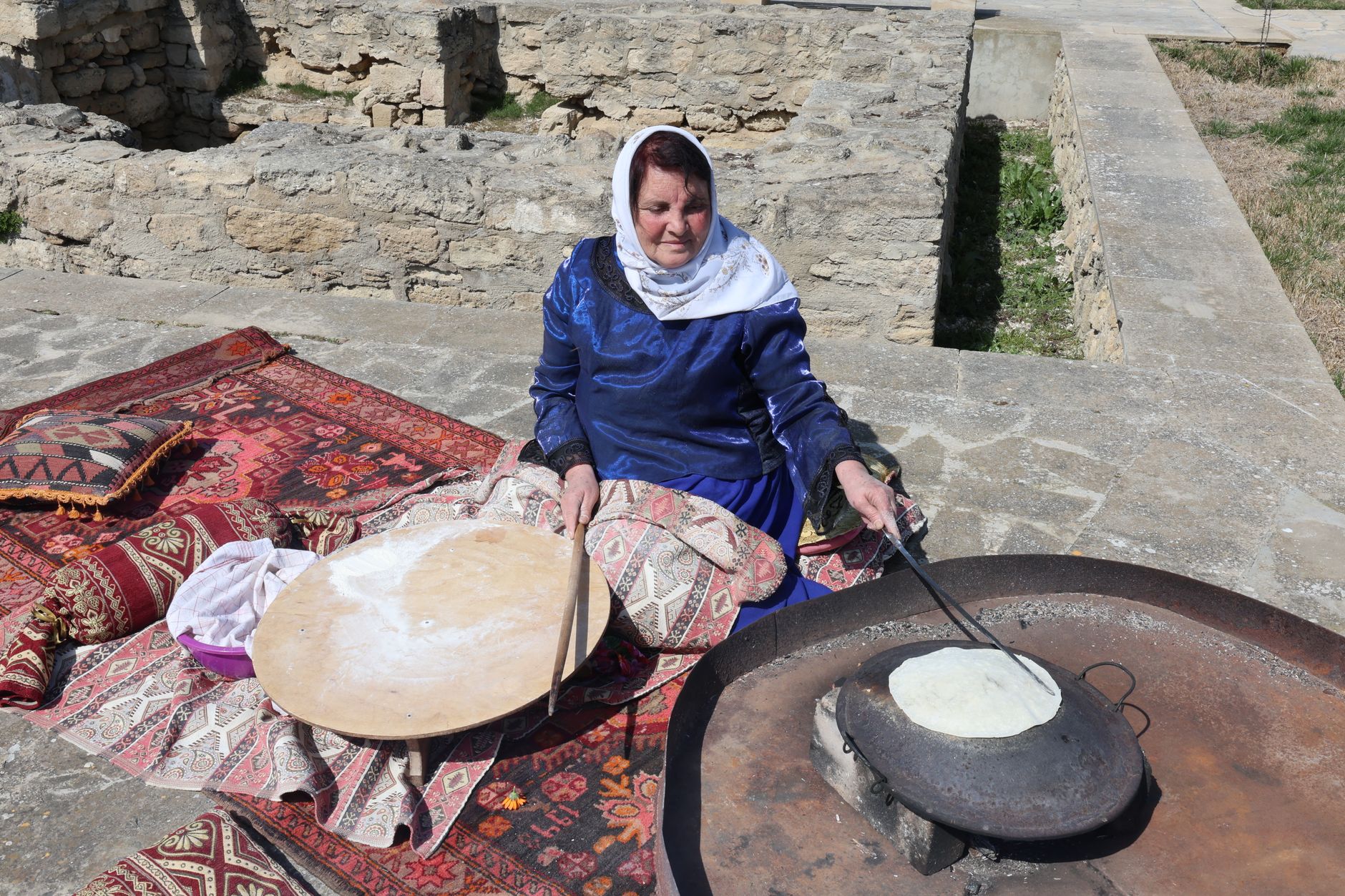
A thin, folded flatbread cooked on a dry saj griddle. It is stuffed with minced meat, mixed greens, or pumpkin. Grab them fresh from street stalls near the Old City gates for 1 to 2 AZN ($0.60 to $1.20) per piece.

Piti Azerbaijan food

Piti

This rich, slow-cooked lamb, chickpea, and chestnut stew is prepared in individual clay pots for up to eight hours. Eat it at traditional family cafes outside the tourist center. Expect to pay 10 to 20 AZN ($5.90 to $11.75).

Azerbaijani Plov Azerbaijan food

Azerbaijani Plov

Saffron-scented basmati rice layered with slow-cooked lamb, chestnuts, and dried apricots. It is the king of Azerbaijani dishes. Try it at Gaynana or Sehrli Təndir in the Old City for 10 to 25 AZN ($5.90 to $14.70).

Logistics: Getting Around and Staying Legal

Baku’s public transport is incredibly cheap, but the bureaucracy can catch you off guard if you stay too long. Here is what you need to know to navigate the city smoothly.

Baku Transit Guide — step by step

1
Airport Transit
Take the H1 Aero Express bus. It runs 24/7 to the 28 May Metro Station, costing 1.30 AZN plus 0.20 AZN for a paper BakiKART from the cash-only terminal outside the exit.
2
Get a Reusable BakiKART
Metro and city buses are cashless. Buy a plastic BakiKART for 2 AZN at any metro station. Metro rides are a flat 0.60 AZN, and you can share one card with your group.
3
Register Your Stay
If you stay in Azerbaijan for more than 15 days, you must register with the State Migration Service. Airbnbs rarely do this automatically—do it online to avoid a 400 AZN fine.

Safety: Scams to Avoid in Baku

Baku is generally very safe, but tourist-heavy areas like Fountain Square and Nizami Street have their share of bad actors. Keep your wits about you.

The Broken Meter Taxi Scam

Drivers outside Heydar Aliyev Airport or Fountain Square will quote astronomical flat rates. Never use unmetered street taxis. Download Bolt or Yandex Taxi instead; a ride downtown should only cost 10 to 20 AZN ($6 to $12 USD).

The Fountain Square Bar Trap

Solo male travelers are approached by friendly local women who suggest going to a nearby bar. They order expensive drinks, slip away, and leave you with a massive bill enforced by aggressive bouncers. Stick to established, well-reviewed pubs.

Fake Police Document Checks

Scammers posing as plainclothes officers on Nizami Street may demand to see your passport and try to levy cash “fines” for fake infractions. Real police rarely stop tourists. Insist on walking to the nearest station or call 102.

Frequently asked questions about Baku

Is tap water safe to drink in Baku?
No, do not drink the tap water in Baku. Even locals boil it or buy bottled water. Stick to bottled water for drinking and brushing your teeth to avoid stomach issues.
Can I pay with credit cards everywhere in Baku?
Cards are widely accepted in hotels, malls, and mid-to-high-end restaurants. However, cash is absolutely mandatory for street food stalls, local markets like Teze Bazar, and topping up your BakiKART at transit terminals.
What should I wear when visiting Baku?
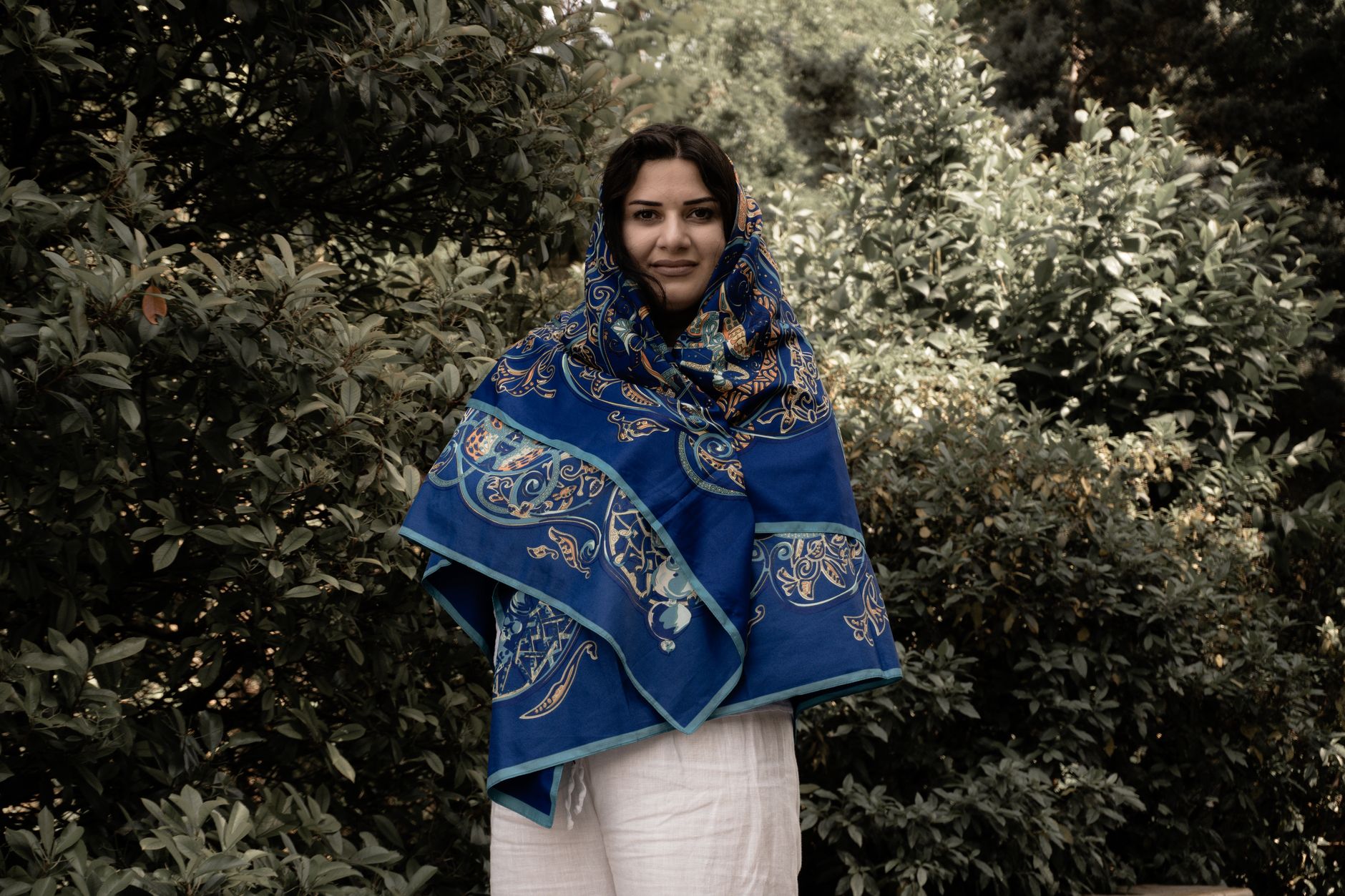
Baku is quite secular, so casual western clothing is perfectly fine. However, if you plan to enter mosques, both men and women should cover their shoulders and knees, and women will need a headscarf.

Staying Connected Without the Bureaucracy

If you buy a local physical SIM card in Baku, you must register it with your passport at the point of sale. Worse, if you stay in Azerbaijan for more than 30 days, you are legally required to register your phone’s Imei with the e-government portal, or your device will be blocked from the network. Airport kiosks also charge massive markups, selling tourist bundles for up to 40 AZN ($23 USD) that cost a fraction of that in the city. You can bypass this entire headache by downloading a Azerbaijan eSIM before you land. It connects instantly to local networks like Azercell, giving you reliable data without the queues, passport registrations, or Imei tracking forms.

Get your Azerbaijan eSIM


Czech Republic Travel Guide: How to Plan the Ultimate Central European Adventure

With Czechia experiencing an 18% surge in travel bookings heading into 2026, planning ahead is more critical than ever. The days of just showing up in Prague and winging it are officially over. If you are visiting during the winter, navigating the crowded prague christmas markets requires some preparation. I’ve spent years navigating this country’s cobblestones, dodging the tourist traps, and finding the spots actually worth your time. This practical Czech Republic travel guide cuts through the outdated blog advice to give you the real, fluff-free logistics. If you are also planning to visit neighboring countries, our poland travel guide and slovakia travel guide will help you explore like a local. Let’s get into what actually works.

18%
Booking Growth
140L
Beer Per Capita
11th
Most Peaceful
59.1M
Overnight Stays

The Airport Transit Hack

Prague has no direct rail link to its airport. Don’t fall for expensive taxis or sketchy private transfers at the terminal exit.

The default public transit route is the high-capacity Trolleybus 59, which connects directly to Metro Line A at Nádraží Veleslavín. A single 90-minute transit ticket costs 40 CZK (~$1.70 USD) and covers both the trolleybus and the metro ride into the city center.

You can buy your ticket via the PID Lítačka app or contactless on board. But here’s the law you must follow: you must validate physical paper tickets immediately upon boarding or entering the metro station by inserting them into the yellow validation machines. Plainclothes transit inspectors carry official badges and will hit you with a 1,000 CZK fine if you forget.

Attractions Actually Worth the Trip

Some historic sites are overrun traps. Others are genuinely worth the journey if you know how to time your visit.

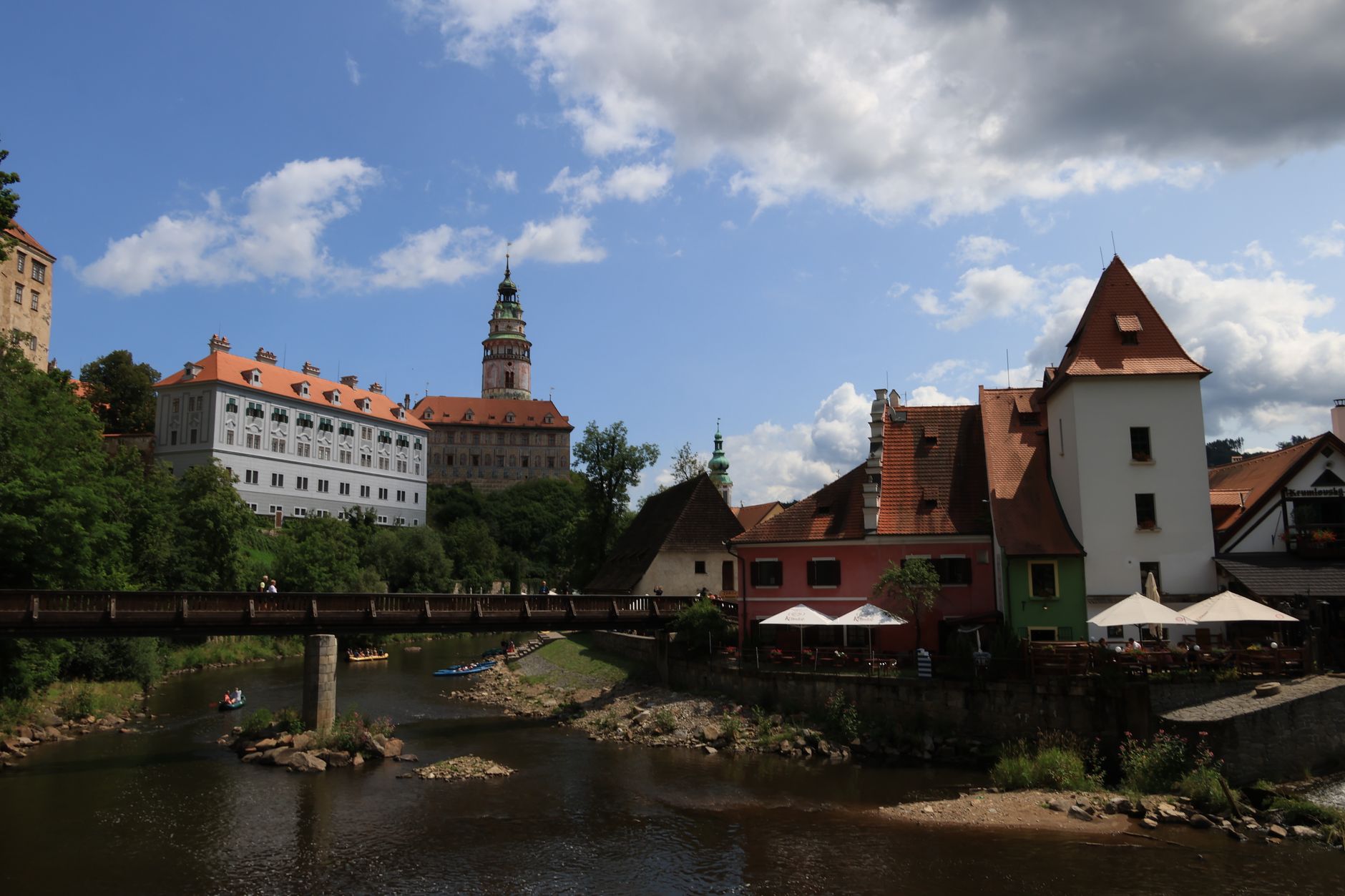
Český Krumlov Castle (South Bohemia) Czech Republic

Český Krumlov Castle (South Bohemia)

This 13th-century UNESCO World Heritage castle sits in a tight loop of the Vltava River, featuring Renaissance courtyards covered in sgraffito art and a 400-year-old tradition of keeping bears in the castle moat. To beat the massive day-trip crowds from Prague, stay overnight. The streets empty out after 5:00 PM and are completely peaceful before 9:00 AM. Also, walk the path underneath the multi-story Cloak Bridge to appreciate the sheer scale of the massive stone arches.

Sedlec Ossuary (Kutná Hora) Czech Republic

Sedlec Ossuary (Kutná Hora)

A Roman Catholic chapel decorated with the artistically arranged bones of an estimated 40,000 to 70,000 people, including a massive bone chandelier and skull garlands. You cannot purchase tickets at the chapel itself. You must buy them online in advance or at the Sedlec Information Centre (Infocentrum) located at 279 Zámecká Street, about a 2-minute walk away. Visit right at opening (8:45 AM or 9:00 AM depending on the season) to experience the eerie silence before the tour buses arrive.

What to Eat (and How to Tip)

Czech food is heavy, comforting, and designed to go with beer. Traditional pubs are where you’ll find the best meals.

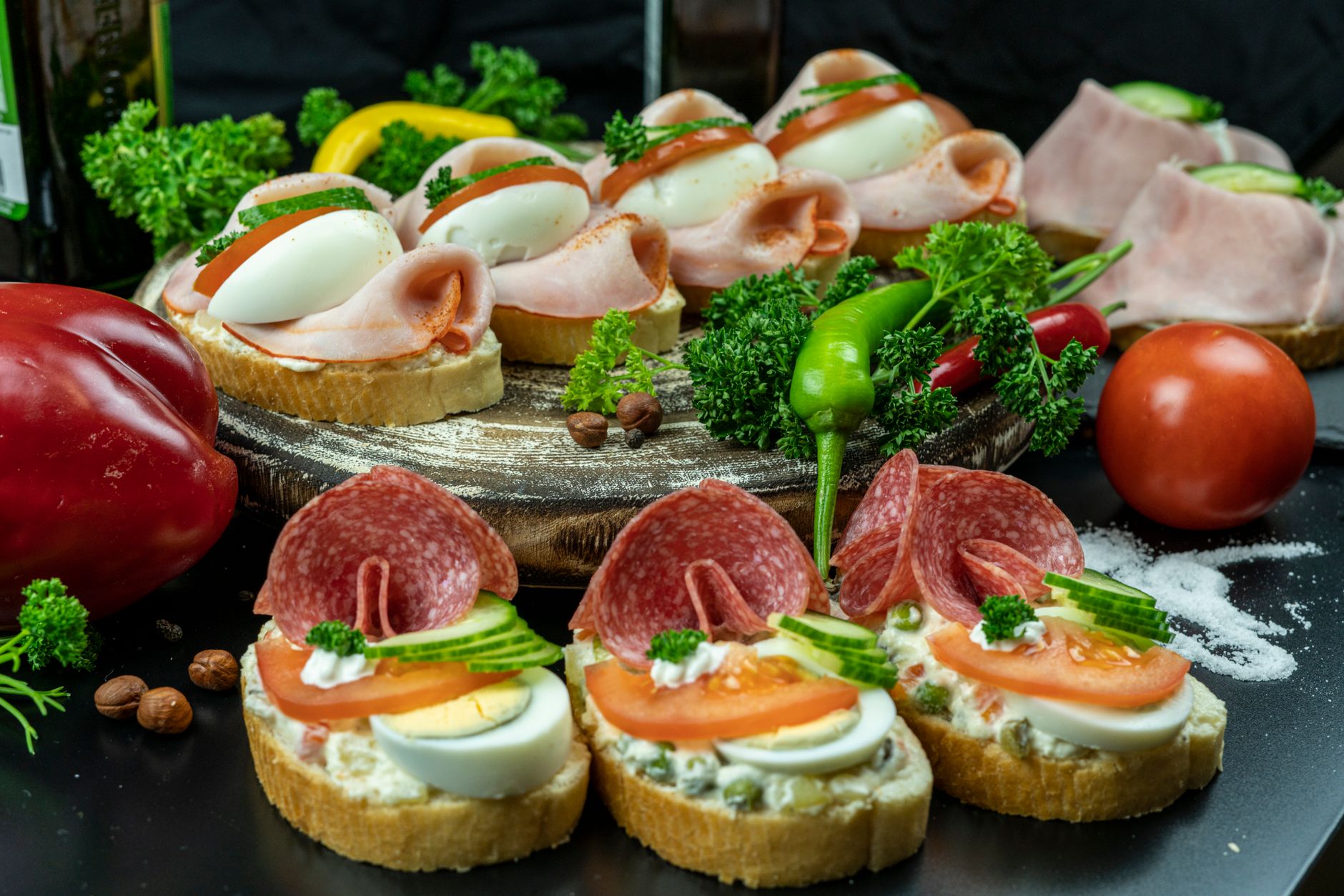
Chlebíčky (Czech Open-Faced Sandwiches) Czech Republic food

Chlebíčky (Czech Open-Faced Sandwiches)

A staple of Czech food culture, these are beautifully decorated open-faced sandwiches built on a slice of white or potato bread, topped with potato salad, ham, pickles, eggs, or modern gourmet toppings like beetroot carpaccio and goat cheese. Grab them at Sisters Bistro (Dlouhá 39, Prague 1) for 40–65 CZK (~$1.70–$2.80 USD) per sandwich.

Svíčková na smetaně Czech Republic food

Svíčková na smetaně

A classic Czech comfort dish consisting of beef sirloin marinated and braised, served with a thick, creamy vegetable sauce (made from root vegetables), topped with a dollop of whipped cream, cranberries, a slice of lemon, and bread dumplings (knedlíky). Try it at Lokál Dlouhááá (Dlouhá 33, Prague 1) or any Lokál branch for 220–320 CZK (~$9.50–$14.00 USD).

When paying, remember the tipping mechanics. In Czech restaurants, tipping is around 10% for good service, but you do not leave cash on the table after paying.

Instead, when the waiter brings the bill (e.g., 380 CZK), you state the total amount you want to pay including the tip (e.g., ‘420’) before they process your card or cash. If you hand over a note and say ‘Díky’ (thanks), it means ‘keep the change’.

And yes, the Czech Republic is the world’s highest consumer of beer per capita, averaging around 140 liters per person annually. That’s why a local draft beer (pivo) is often cheaper than bottled water in traditional pubs.

Scams and Predatory Traps to Avoid

Prague is incredibly safe, but predatory operators target tourists in the historic center. Here is how to protect your wallet.

The ‘Ruličkáři’ (Roll of Money) Exchange Scam

Outside currency exchange booths in tourist hotspots like Wenceslas Square and Old Town Square, shady individuals will approach you offering an ‘amazing’ exchange rate. If you agree, they will hand you a roll of cash that actually consists of worthless, out-of-circulation Belarusian rubles or counterfeit bills. Never exchange money on the street. Use official bank ATMs (ČSOB, Česká spořitelna, Komerční banka) or reputable exchange offices like Exchange on Kaprova 14.

Predatory Exchange Rates & Hidden Fees

Avoid independent exchange booths advertising ‘0% commission’ in Prague’s historic center, as they build massive markups (up to 20-30%) into their terrible exchange rates. Also, avoid independent ATMs (like Euronet) which charge high fees and use dynamic currency conversion (DCC) to lock in terrible rates. Always choose ‘Without Conversion’ (charge in local currency CZK) if prompted by an ATM or card terminal.

The Fake Petition Scam

On Charles Bridge, Wenceslas Square, and around the Astronomical Clock, individuals with clipboards will approach you asking to sign a petition for a deaf/mute charity or the EU. Once you sign, they will aggressively demand a cash donation, pointing to fake previous signatures showing large amounts. Politely but firmly say ‘No’ and keep walking.

If you do get ripped off at an exchange booth, you have a legal shield. Under Czech consumer protection law, tourists have the legal right to cancel any currency exchange transaction of up to €1,000 (or equivalent) within 3 hours of making it.

Frequently Asked Questions

Is the Czech Republic safe for solo travelers?
Yes, it is exceptionally safe. The country ranked as the 11th most peaceful country globally on the 2025 Global Peace Index and 6th safest on the Travel Safety Index. Just keep an eye on your pockets in crowded areas like Charles Bridge.
How do I avoid public transit fines in Prague?
Always validate your paper ticket immediately upon boarding a tram or bus, or entering the metro station. Insert it into the yellow validation machine until it beeps and stamps. Plainclothes inspectors carry official badges and will fine you 1,000 CZK on the spot if you forget.
Is tap water safe to drink in the Czech Republic?
Yes, tap water is completely safe and highly regulated across the country. However, traditional pubs often charge more for bottled water than a draft beer, so ordering a “pivo” is usually the cheaper choice.

Staying Connected

A local physical prepaid SIM card costs between 200 and 600 CZK (~$8 to $25 USD) depending on data allowance, but buying one at official operator stores or airport kiosks requires passport registration by law. If you have an active SIM from another EU country, EU ‘Roam Like at Home’ regulations apply, meaning you can use your data in the Czech Republic without extra roaming fees (though UK SIMs may no longer include this post-Brexit). To skip the queues and avoid handing over your passport at a kiosk, grab a Czech Republic eSIM from Galactic Roam before you fly. It activates instantly on arrival, letting you navigate the transit system without missing a beat.

Get your Czech Republic eSIM


Morocco Travel Guide: Essential Tips for First-Time Visitors

By the end of 2026, getting to Morocco will be easier than finding your way out of a Fes alleyway. The government’s massive aviation push has added 52 new international flight routes, making it cheaper than ever to fly directly into regional hubs. But navigating the country’s ancient medinas, aggressive souk hustles, and cash-only logistics requires a solid game plan.

I’ve spent years getting lost in these labyrinthine streets, and this Morocco travel guide will keep you from making the rookie mistakes that turn a dream trip into an expensive headache. If you are planning to explore other regions of the continent, check out our comprehensive south africa travel guide to help plan your next journey.

19.8M
Visitors in 2025
13%
Air Capacity Growth
$18.7B
Tourism GDP (2024)
9,000
Alleys in Fes Medina

Navigating the Medinas Without the Drama

Everyone told me Fes was beautiful, but they forgot to mention that Google Maps is completely useless inside the 9,000-alley maze of Fes el-Bali. The GPS signal bounces off the high mudbrick walls, leaving you stranded. Download Maps.me for offline navigation, or hire a licensed guide from the local tourist office. If you rely on your phone alone, you will get lost. It is a mathematical certainty.

While exploring Fes, you’ll inevitably end up at the Chouara Tannery. Operating since the 11th century, it is the oldest working medieval leather tannery in the city, where workers hand-dye hides in massive stone vats. Go between 8:00 AM and 11:00 AM when the colors are freshest and the heat hasn’t baked the pungent smell of ammonia into the air. Always accept the fresh mint sprig offered at the entrance to hold under your nose, and expect to tip the shop owner 10 to 20 MAD (about $1 to $2 USD) for terrace access if you don’t buy any leather goods.

Chouara Tannery Fes el-Bali Morocco
Chouara Tannery in Fes, where leather is still hand-dyed using medieval stone vats.

The “Closed Road” Ruse

Around medina entrances in Fes and Marrakech, locals will insist the street ahead is closed for prayer or a festival. They’ll offer to show you an “open” route, which actually leads straight to a high-commission carpet shop. Politely say “La, Shukran” (No, thank you) and keep walking.

Beyond the Cities: Aït Benhaddou and the Sahara

If you head south toward the desert, you’ll hit the Ksar of Aït Benhaddou in Ouarzazate. This UNESCO-listed 17th-century earthen clay fortress has starred in everything from Gladiator to Game of Thrones. Most tourists arrive on day-trip buses at noon, bake in the 100°F heat, and leave. Skip the rush by staying overnight inside the ksar at a place like Kasbah Tebi, then watch the sunrise over the dry riverbed in absolute silence.

Ksar of Aït Benhaddou Ouarzazate Morocco
The earthen clay towers of the Ksar of Aït Benhaddou rising above the riverbed.

To avoid scams here, use the main bridge entrance to access the ksar for free. Locals hanging around the side paths will claim those routes are “private” and demand a fee. They aren’t, and you shouldn’t pay them a single dirham.
Packing for a Sahara Desert Excursion — step by step

1
Pack a small, zippered backpack
Leave your main luggage in Marrakech or the support vehicle; you only want a light pack for the camel trek to camp.
2
Bring loose, warm layers
Desert temperatures drop fast, plunging from 100°F (38°C) during the day to a chilly 40°F (4°C) at night.
3
Wrap up with a shesh
Buy a long cotton scarf to wrap around your head and face to protect yourself from windblown sand.

What to Eat (and Where to Find It)

Marrakech’s Jemaa el-Fnaa is the beating heart of the city. At night, it transforms into an open-air theater of musicians, storytellers, and food stalls. To watch the chaos unfold without getting swept up in it, grab a mint tea on the rooftop terrace of Café de France just before sunset. When hunger strikes, skip the aggressive touts at the main square stalls and head straight to Mechoui Alley.

Jemaa el-Fnaa Marrakech Morocco
Jemaa el-Fnaa square coming alive with food stalls and crowds at dusk.

In Mechoui Alley, look for Chez Lamine Hadj Mustapha. This is where you try slow-steamed sheep’s head served with nothing but cumin and salt. If that’s too adventurous, order Tanjia Marrakchia instead. It’s a rich beef or lamb stew slow-cooked inside a clay jug in the embers of a local hammam’s bathhouse furnace, costing around 50 to 80 MAD ($5 to $8 USD).

Tanjia Marrakchia Morocco food
Spices used to season traditional Moroccan dishes like Tanjia.

In Fes, the culinary prize goes to Chicken Bastilla. This imperial pie layers thin warka pastry with shredded chicken, almonds, eggs, and spices, all dusted with powdered sugar and cinnamon. It sounds like a bizarre combination, but the sweet-and-savory balance is surprisingly addictive. Expect to pay 50 to 80 MAD ($5 to $8 USD) in a traditional riad.
Chicken Bastilla Pastilla Morocco food
A modern take on savory Moroccan pastry rolls.

For a cheap, comforting meal, find a local street stall or head to food stand number 5 in Jemaa el-Fnaa for a bowl of Harira. This rich, tomato-based soup is packed with lentils, chickpeas, and cilantro, served alongside sweet dates and boiled eggs for just 10 to 20 MAD ($1 to $2 USD).

Harira Morocco food
A local vendor preparing fresh street food in the medina.

Crucial Safety and Logistics

Morocco is generally safe, but the street hustles in Marrakech can be exhausting. In Jemaa el-Fnaa, watch out for unsolicited henna artists who will grab your hand, apply a quick design, and aggressively demand 100 to 300 MAD. Keep your hands in your pockets when walking past them. Avoid “black henna” entirely, as it often contains toxic chemical dyes that cause severe skin burns.

Similarly, avoid the snake and monkey handlers. They will suddenly drape a snake around your neck or put a monkey on your shoulder, then demand 100 to 300 MAD for a photo. Do not make eye contact, do not stop to look, and step back immediately if they approach.

When it comes to money, cash is king. Souks, street stalls, and taxis only accept Moroccan Dirhams (MAD). Always carry small coins and 10 or 20 MAD notes for tipping (baksheesh), which is customary here—aim for 10% in restaurants and a few dirhams for hotel porters or restroom attendants.

Quick Facts — Morocco

Currency
Moroccan Dirham (MAD)
Language
Arabic, Berber, French
Time zone
GMT+1
Plug type
Types C and E
Best time to visit
March to May, September to November
Visa
Visa-free for most Western nations up to 90 days

Frequently Asked Questions

How do I get from Marrakech airport to the medina?

Take the Alsa Bus No. 19, which runs every 20 minutes directly from Marrakech Menara Airport (RAK) to the medina for 30 MAD ($3 USD) round trip. If you take a taxi, agree on a flat rate of 70 to 100 MAD ($7 to $10 USD) before getting in, as drivers frequently refuse to turn on the taximeter.

Is Google Maps reliable in Morocco?

It works fine in modern city areas, but it is notoriously inaccurate inside the ancient medinas of Fes and Marrakech. Download Maps.me and save offline maps before you go, as it maps the narrow alleys much more accurately.

Do I need cash or can I use credit cards in Morocco?

Morocco is highly cash-dominated. While high-end riads and modern restaurants accept credit cards, you will need Moroccan Dirhams (MAD) for souks, street food, taxis, and tips. Always carry small change.

Staying Connected

If you want to buy a local physical SIM card, you’ll need to present your passport for legal registration, whether you buy it at the airport or a city kiosk. Expect to pay between $5 and $20 (50 to 200 MAD) depending on the data package. While 4G and 5G coverage is excellent in major cities like Casablanca and Marrakech, it becomes patchy in the High Atlas Mountains and non-existent deep in the Sahara dunes. Keep in mind that internet-based calling (VoIP) on apps like WhatsApp or FaceTime can occasionally experience carrier-side throttling on mobile data, though they work fine on hotel WiFi.

To avoid the hassle of queuing at the airport, registering your passport with a local carrier, or dealing with throttled calls, grab a Morocco eSIM before you land. It connects automatically to the strongest local network as soon as you touch down, letting you load your offline maps and call an airport ride without wasting time in a mobile shop queue.

Get your Morocco eSIM


Munich Oktoberfest Guide: How to Navigate the World’s Largest Beer Festival

style>
@import url(‘https://fonts.googleapis.com/css2?family=Merriweather:ital,wght@0,300;0,400;0,700;1,300;1,400&display=swap’);

/* ── Base ─────────────────────────────────────────────────────────── */
.gr-article {
max-width: 768px;
margin: 0 auto;
padding: 0 1.25rem;
}
.gr-article, .gr-article p, .gr-article li, .gr-article td, .gr-article th {
font-family: ‘Merriweather’, serif !important;
font-size: 17px;
line-height: 1.75;
color: #1a1a1a;
}
.gr-article p { margin-bottom: 1.2em; }
.gr-article .lead, .gr-article p:first-of-type {
font-size: 20px;
line-height: 1.65;
font-weight: 400;
color: #222;
margin-bottom: 1.4em;
}

/* ── Headings ─────────────────────────────────────────────────────── */
.gr-article h2 {
font-family: ‘Merriweather’, serif !important;
font-size: 26px;
font-weight: 700;
line-height: 1.35;
margin: 48px 0 14px;
color: #111;
}
.gr-article h3 {
font-family: ‘Merriweather’, serif !important;
font-size: 22px;
font-weight: 700;
line-height: 1.4;
margin: 36px 0 12px;
color: #111;
}
.gr-article ul, .gr-article ol { padding-left: 1.6em; margin-bottom: 1.2em; }
.gr-article li { margin-bottom: 0.6em; }

/* ── Images ───────────────────────────────────────────────────────── */
.gr-article figure { margin: 36px auto; text-align: center; max-width: 100%; }
.gr-article figure img { display: block; margin: 0 auto; }
.gr-article figcaption { font-size: 13px; color: #777; font-style: italic; text-align: center; margin-top: 8px; }
.gr-article hr { margin: 2.5em 0; border: none; border-top: 1px solid #e0e0e0; }

/* ── Pull Quote ───────────────────────────────────────────────────── */
.gr-article blockquote {
margin: 28px 0;
padding: 20px 28px;
border-left: 3px solid #ff4d00;
background: #faf8f5;
font-size: 19px;
line-height: 1.65;
color: #444;
font-style: italic;
position: relative;
}
.gr-article blockquote::before {
content: ‘\201C’;
position: absolute;
top: -8px;
left: 12px;
font-size: 48px;
color: #ddd;
font-family: Georgia, serif;
line-height: 1;
}

/* ── Drop Cap ─────────────────────────────────────────────────────── */
.gr-article .lead::first-letter {
float: left;
font-size: 4em;
font-weight: 700;
line-height: 0.8;
padding-right: 0.25rem;
color: #ff4d00;
margin-top: 0.1rem;
}

/* ── Callout Boxes ────────────────────────────────────────────────── */
.gr-article .callout {
padding: 16px 20px;
border-left: 4px solid;
border-radius: 0 8px 8px 0;
margin: 24px 0;
font-size: 15px;
line-height: 1.7;
}
.gr-article .callout-tip { background: #f0fdf4; border-color: #22c55e; }
.gr-article .callout-warning { background: #fff8f0; border-color: #eab308; }
.gr-article .callout-danger { background: #fff5f5; border-color: #ef4444; }
.gr-article .callout-info { background: #eff6ff; border-color: #3b82f6; }
.gr-article .callout strong { display: block; font-size: 12px; text-transform: uppercase; letter-spacing: 0.06em; margin-bottom: 4px; }
.gr-article .callout-tip strong { color: #16a34a; }
.gr-article .callout-warning strong { color: #b45309; }
.gr-article .callout-danger strong { color: #dc2626; }
.gr-article .callout-info strong { color: #2563eb; }

/* ── Key Takeaways ────────────────────────────────────────────────── */
.gr-article .takeaways {
background: #fafaf9;
border: 1px solid #e7e5e4;
border-radius: 12px;
padding: 20px 28px;
margin: 28px 0;
}
.gr-article .takeaways h4 {
font-size: 11px;
font-weight: 700;
text-transform: uppercase;
letter-spacing: 0.1em;
color: #888;
margin: 0 0 14px 0;
padding-bottom: 10px;
border-bottom: 2px solid #e7e5e4;
}
.gr-article .takeaways ul { list-style: none; padding: 0; margin: 0; display: grid; gap: 10px; }
.gr-article .takeaways li {
display: flex;
gap: 10px;
align-items: flex-start;
font-size: 15px;
line-height: 1.55;
color: #444;
margin: 0;
}
.gr-article .takeaways li::before {
content: ‘\2713’;
flex-shrink: 0;
width: 22px;
height: 22px;
background: #0c4a6e;
color: #fff;
border-radius: 50%;
display: flex;
align-items: center;
justify-content: center;
font-size: 11px;
font-weight: 700;
margin-top: 2px;
}

/* ── Itinerary Timeline ───────────────────────────────────────────── */
.gr-article .itinerary { list-style: none; padding: 0; margin: 28px 0; position: relative; }
.gr-article .itinerary::before {
content: ”;
position: absolute;
left: 16px;
top: 8px;
bottom: 8px;
width: 2px;
background: #e0ddd5;
}
.gr-article .itinerary li {
position: relative;
padding-left: 44px;
padding-bottom: 24px;
margin: 0;
}
.gr-article .itinerary li:last-child { padding-bottom: 0; }
.gr-article .itinerary li::before {
content: ”;
position: absolute;
left: 8px;
top: 6px;
width: 18px;
height: 18px;
background: #fff;
border: 3px solid #ff4d00;
border-radius: 50%;
z-index: 1;
}
.gr-article .itinerary .it-day {
font-size: 13px;
font-weight: 700;
text-transform: uppercase;
letter-spacing: 0.08em;
color: #ff4d00;
margin-bottom: 2px;
}
.gr-article .itinerary .it-title {
font-size: 18px;
font-weight: 700;
color: #111;
margin-bottom: 6px;
}
.gr-article .itinerary p { font-size: 15px; color: #555; margin: 0; }

/* ── Pros / Cons ──────────────────────────────────────────────────── */
.gr-article .pros-cons {
display: grid;
grid-template-columns: 1fr 1fr;
gap: 16px;
margin: 24px 0;
}
.gr-article .pros-cons .pro { background: #f0fdf4; border: 1px solid #bbf7d0; border-radius: 10px; padding: 16px 20px; }
.gr-article .pros-cons .con { background: #fef2f2; border: 1px solid #fecaca; border-radius: 10px; padding: 16px 20px; }
.gr-article .pros-cons h4 {
font-size: 12px;
font-weight: 700;
text-transform: uppercase;
letter-spacing: 0.06em;
margin: 0 0 10px 0;
}
.gr-article .pros-cons .pro h4 { color: #16a34a; }
.gr-article .pros-cons .con h4 { color: #dc2626; }
.gr-article .pros-cons ul { list-style: none; padding: 0; margin: 0; }
.gr-article .pros-cons li { font-size: 14px; line-height: 1.6; color: #555; padding: 3px 0; margin: 0; }
@media (max-width: 480px) { .gr-article .pros-cons { grid-template-columns: 1fr; } }

/* ── FAQ Accordion ────────────────────────────────────────────────── */
.gr-article .faq { margin: 24px 0; }
.gr-article .faq details { border-bottom: 1px solid #e7e5e4; }
.gr-article .faq summary {
font-size: 17px;
font-weight: 600;
color: #222;
padding: 14px 0;
cursor: pointer;
list-style: none;
display: flex;
align-items: center;
justify-content: space-between;
}
.gr-article .faq summary::-webkit-details-marker { display: none; }
.gr-article .faq summary::after {
content: ‘+’;
font-size: 1.3em;
color: #ff4d00;
transition: transform 0.2s;
}
.gr-article .faq details[open] summary::after { content: ‘\2212’; }
.gr-article .faq details[open] summary { color: #ff4d00; }
.gr-article .faq .faq-answer {
padding: 0 0 16px 0;
font-size: 15px;
line-height: 1.7;
color: #555;
}

/* ── Budget Card ──────────────────────────────────────────────────── */
.gr-article .budget-card {
background: #fff;
border: 1px solid #e7e5e4;
border-radius: 12px;
padding: 20px 24px;
margin: 28px 0;
}
.gr-article .budget-card h4 {
font-size: 16px;
font-weight: 700;
margin: 0 0 14px 0;
color: #111;
}
.gr-article .budget-card table {
width: 100%;
border-collapse: collapse;
font-size: 14px;
}
.gr-article .budget-card th {
text-align: left;
font-size: 10px;
font-weight: 700;
text-transform: uppercase;
letter-spacing: 0.07em;
color: #999;
padding-bottom: 8px;
border-bottom: 1px solid #e7e5e4;
}
.gr-article .budget-card td {
padding: 8px 0;
border-bottom: 1px solid #f5f5f4;
color: #555;
}
.gr-article .budget-card .budget-total td { border-bottom: none; font-weight: 700; color: #111; padding-top: 10px; }
.gr-article .budget-card .budget-amt { text-align: right; font-variant-numeric: tabular-nums; }

/* ── Misc ─────────────────────────────────────────────────────────── */
.gr-article .highlight { background: #fff3e0; padding: 2px 6px; border-radius: 3px; }

/* ── Table header contrast fix ────────────────────────────────────── */
/* The comparison-table thead sets color:white on the

, but the base
“.gr-article th { color: #1a1a1a }” rule above is more specific than an
inherited value, so it silently wins and the header text goes near-invisible
on the dark background. Force it back explicitly, scoped to thead only so
normal body th/td (if ever used) keep the standard text color. */
.gr-article table thead th { color: #fff !important; }

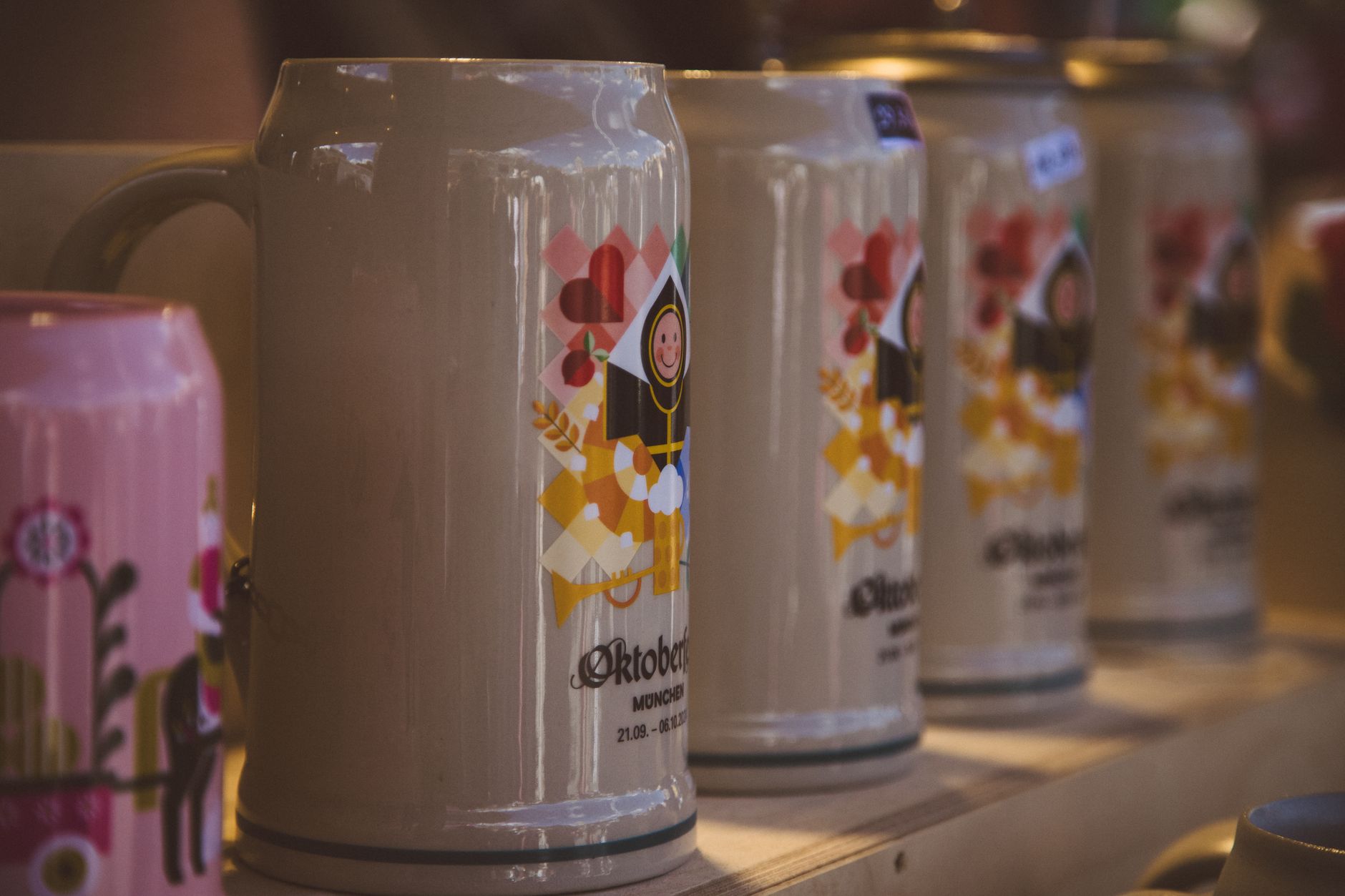
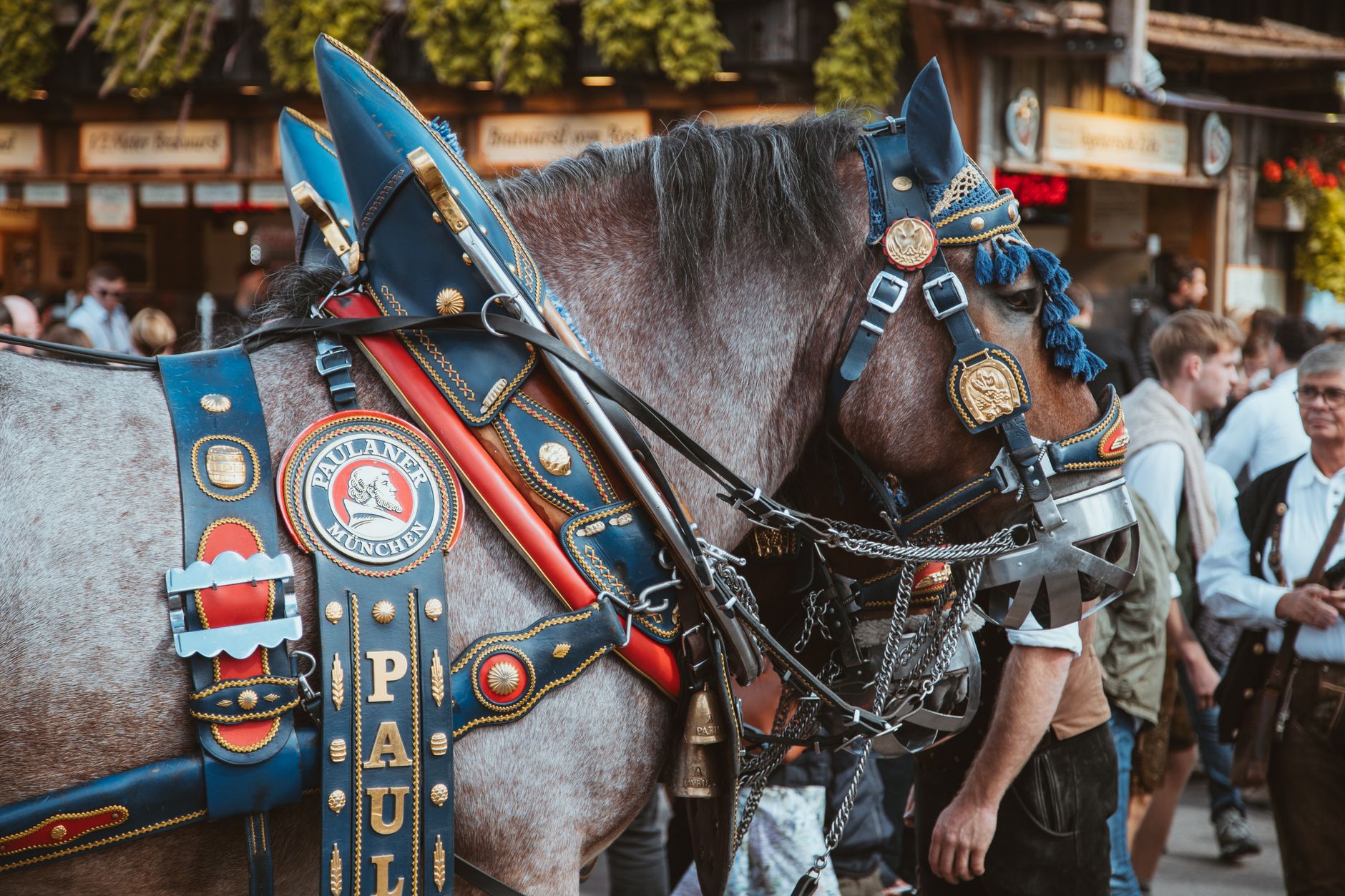
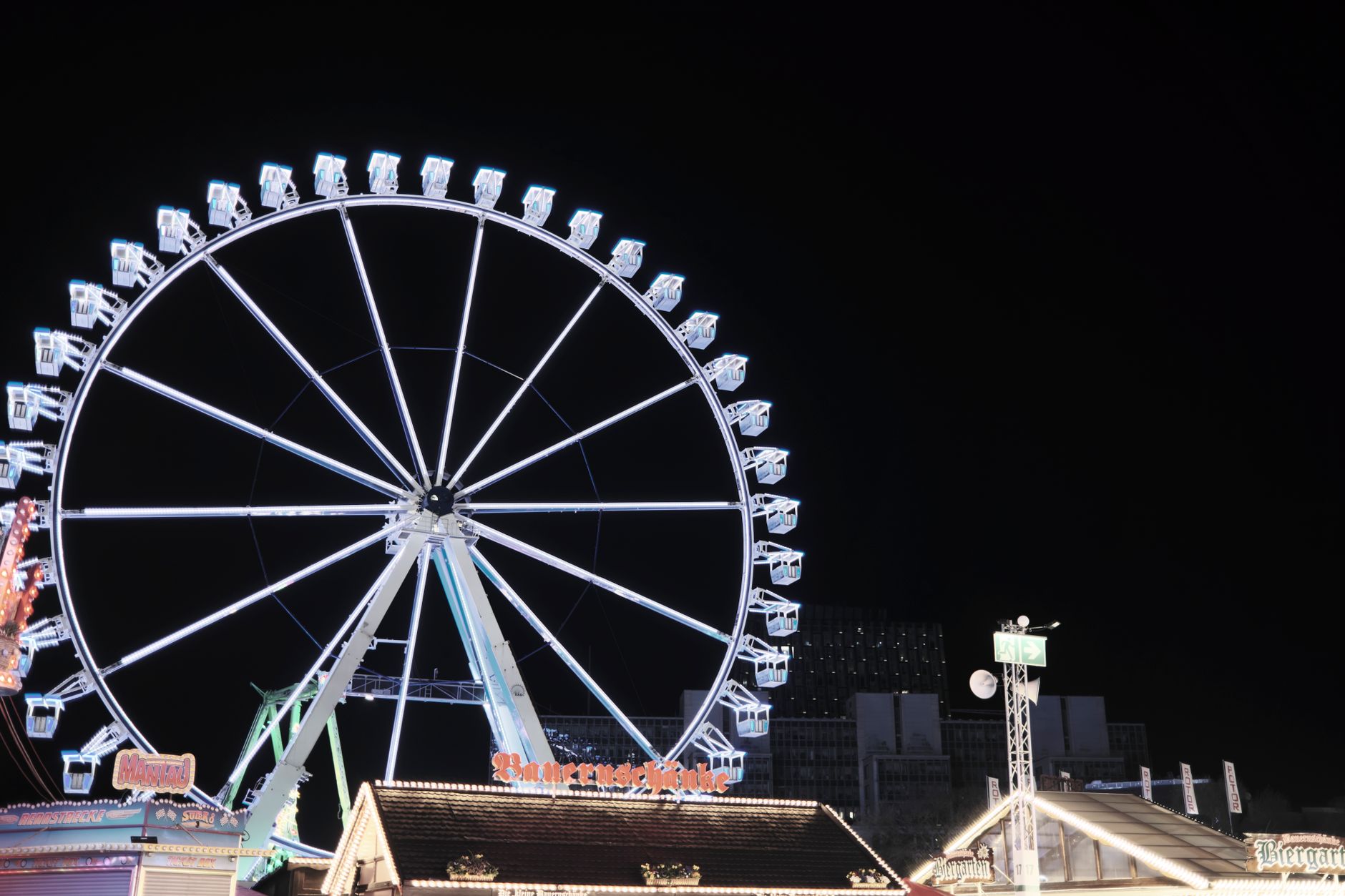
Everyone told me you need a corporate connection or a miracle to get into a Munich Oktoberfest tent without a reservation. They’re wrong — and believing them means you’ll miss out on the world’s greatest party. I’ve navigated the chaotic grounds of the Theresienwiese, and this Munich Oktoberfest guide will show you how to get a table, avoid the brutal tourist traps, and drink like a local in 2026. Here is what you actually need to know before the first keg is tapped.

7.4M
Liters Consumed
6M+
Annual Visitors
6.3%
Max ABV Strength
€15.90
Max 2026 Maß Price

The Basics: Getting In and Getting a Beer

The 191st Munich Oktoberfest runs from Saturday, September 19 to Sunday, October 4, 2026. The official opening ceremony, “O’zapft is!”, happens at exactly 12:00 PM on the first Saturday in the Schottenhamel tent. No beer can be served anywhere on the grounds before the Mayor taps that very first keg.

If you don’t have a reservation, don’t panic. By festival rules, large tents must keep a significant portion of their seats unreserved for walk-ins: 25% on weekdays and 40% on weekends before 3:00 PM. Show up by 11:00 AM on weekdays or 9:00 AM on weekends, and you’ll walk right in.

Oktoberfest beer is stronger than regular beer, typically ranging from 5.8% to 6.3% ABV. It’s brewed specifically for the festival under the strict 1516 Bavarian Purity Law. In 2026, the price of a one-liter Maß of beer ranges from €14.80 to €15.90, which is a 2.38% bump from last year.

Attractions Actually Worth Your Time

Oktoberfest is more than just massive beer tents. The fairgrounds are packed with rides, shows, and historical corners that most tourists walk right past because they’re too focused on the next liter of lager.

Oide Wiesn (Historic Oktoberfest) Germany

Oide Wiesn (Historic Oktoberfest)

This nostalgic section on the south side of the grounds recreates the festival as it looked before 1980. Entry is €4, but it becomes free after 9:00 PM via the exits. The vintage rides here cost only €1.50 each compared to €5–€10+ in the main area.

Teufelsrad (Devil's Wheel) Germany

Teufelsrad (Devil’s Wheel)

Operating since 1910, this physics-defying ride challenges participants to stay on a rapidly spinning wooden platform. Pay the small entry fee to sit in the stands. The real entertainment is the highly sarcastic Bavarian commentary from the host.

Bavaria Statue Germany

Bavaria Statue

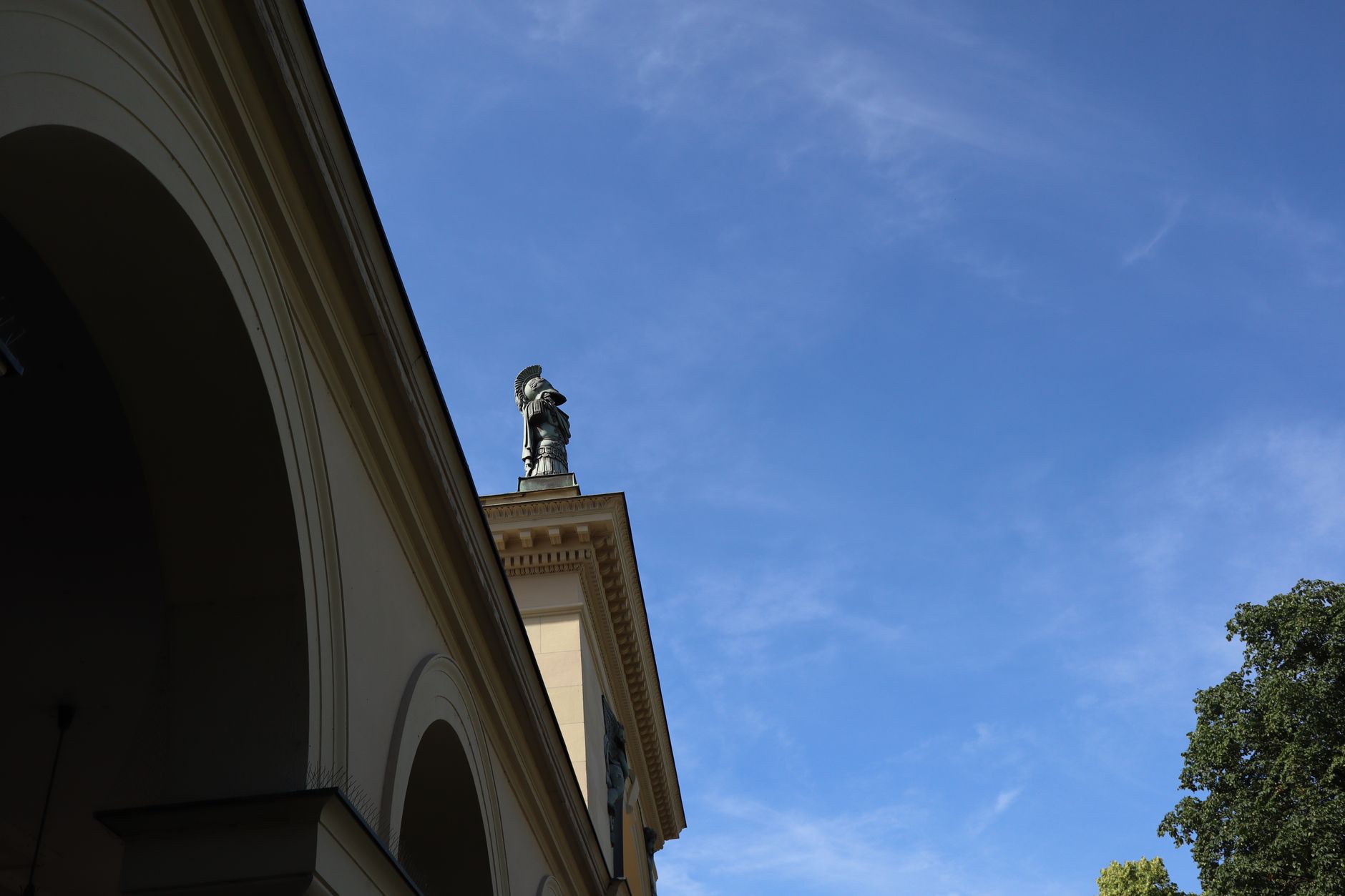
This iconic, 18-meter-tall bronze statue overlooks the entire festival grounds. You can climb a tight spiral staircase inside the statue to look out of small viewing slits in her head. It costs €5.50 and stays open until 8:00 PM.

What to Eat Between Beers

Drinking heavy Bavarian beer on an empty stomach is a rookie mistake you’ll only make once. Skip the generic hot dog stands and seek out these traditional festival specialties instead.

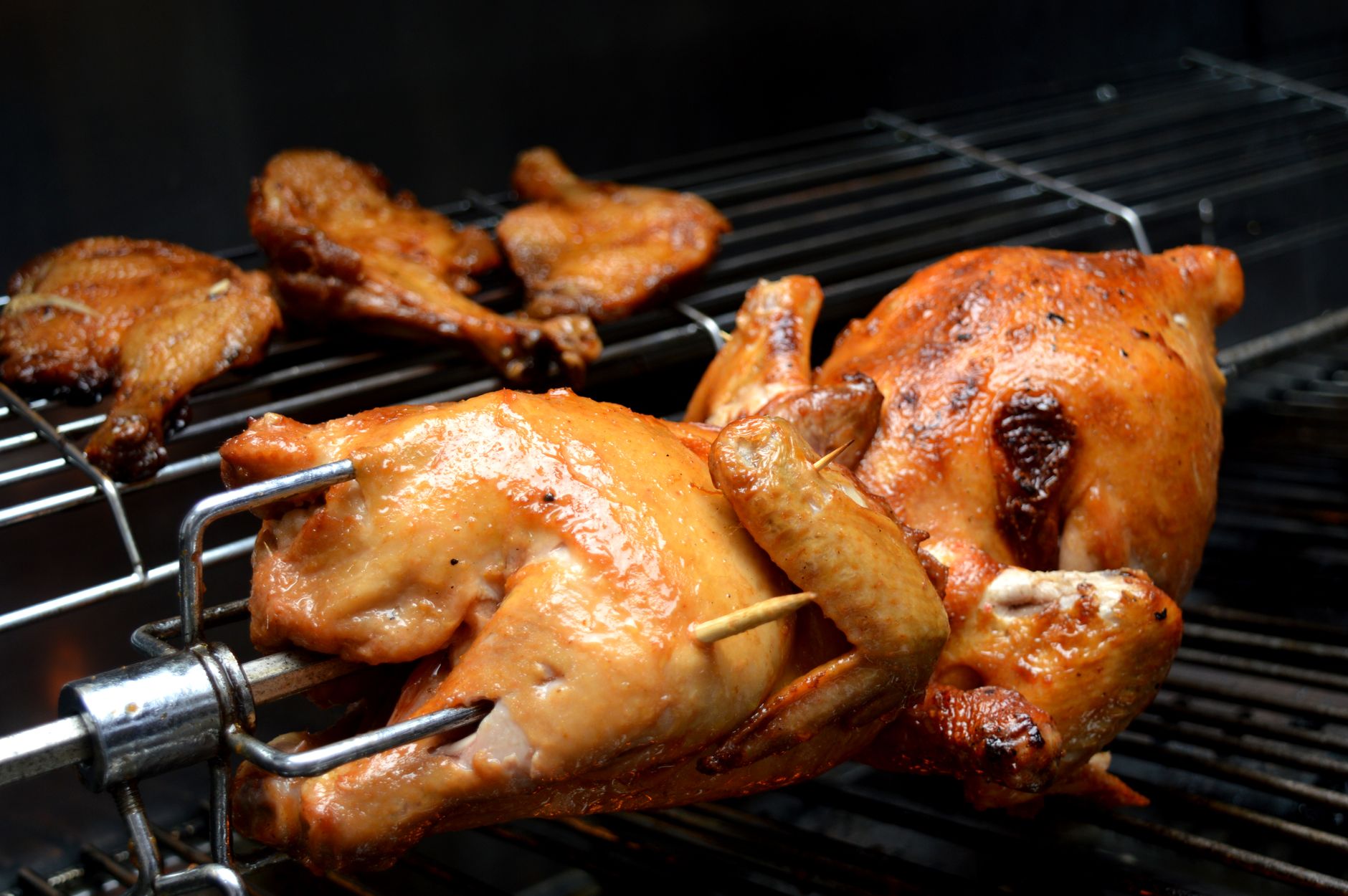
Wiesn-Hendl (Half Roast Chicken) Germany food

Wiesn-Hendl (Half Roast Chicken)

A 750-gram half-chicken, rotisserie-roasted with plenty of salt, rosemary, and butter. It’s eaten entirely with your hands. Head to Hühner- und Entenbraterei Ammer for the absolute best organic version, costing €15–€20.

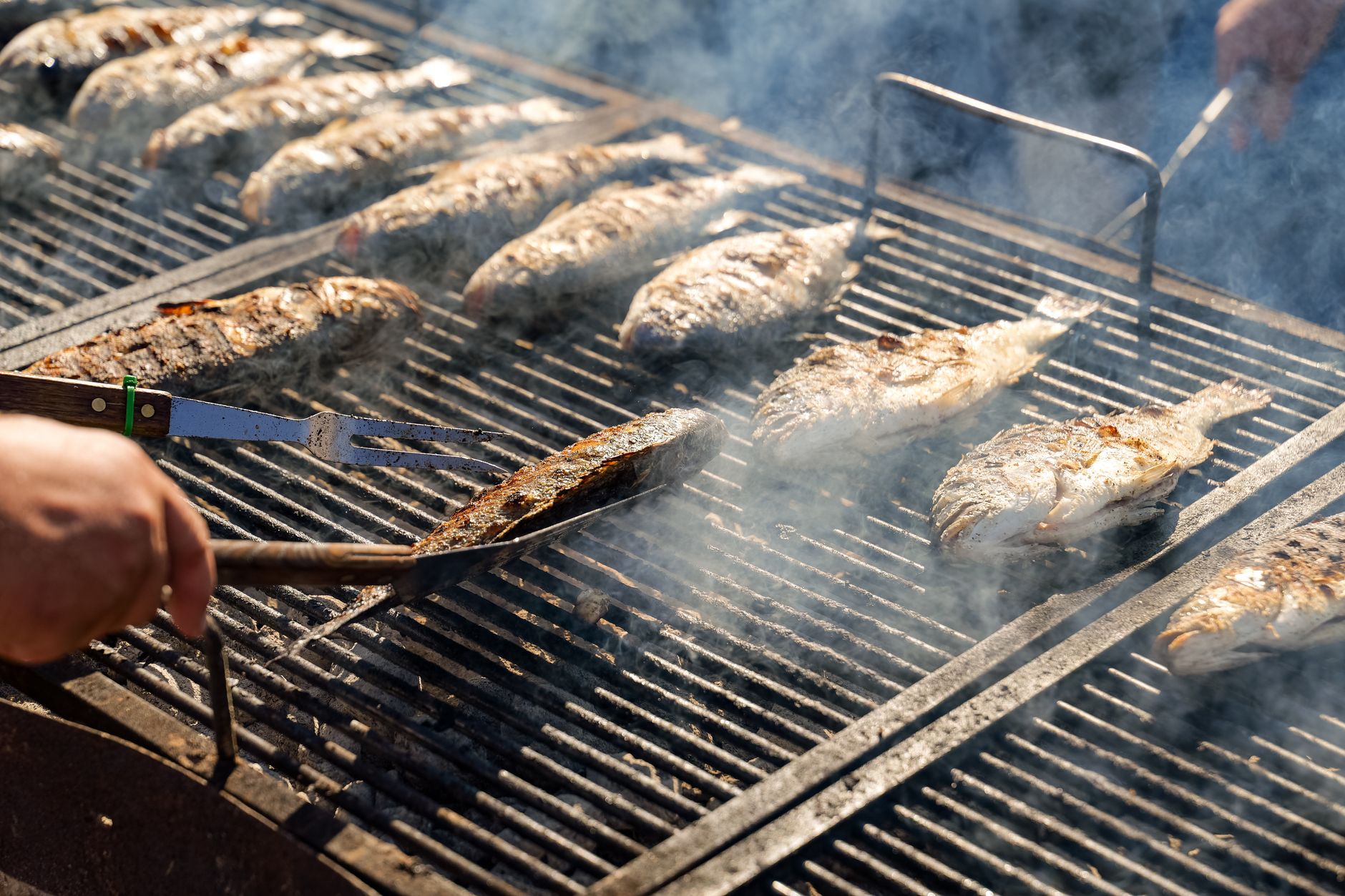
Steckerlfisch (Grilled Fish on a Stick) Germany food

Steckerlfisch (Grilled Fish on a Stick)

Whole mackerel, trout, or char skewered on wooden sticks and grilled crispy over open charcoal. Get this at the Fischer-Vroni tent, which features a massive 15-meter-long open charcoal grill running right through the tent (€15–€25).

Obatzda Germany food

Obatzda

A rich, savory Bavarian cheese spread made of mashed Camembert, butter, sweet paprika, and wheat beer. It costs €13–€16 inside the tents, but you can buy it for €4.50–€6 at outside food stalls.

Safety, Scams, and Local Laws

Munich is incredibly safe, but the sheer volume of alcohol consumed at Oktoberfest attracts opportunists. Keep your wits about you and avoid these classic traps.

The ‘Oktoberfest Entry Tickets’ Scam

This happens on online reseller sites and outside the main entrances. General admission to the grounds and all beer tents is 100% free. Never buy “entry tickets” — only table reservations (which come as food vouchers) cost money, and they must be booked directly through official tent websites.

The ‘Kotzhügel’ (Puke Hill) Pickpockets

This refers to the grassy slope behind the beer tents near the Bavaria Statue. Do not rest or sleep on this hill if you’ve had too much to drink. Professional pickpocket rings target heavily intoxicated people passed out here, easily sliding phones and wallets out of pockets.

The ‘Maß Stealing’ Fine

Security guards search bags at the exit gates of the tents and the main festival exits. Do not try to take the heavy 1-liter glass beer mugs home as a souvenir. It is a criminal offense that carries a €50 to €100+ on-the-spot fine and a police report.

Oktoberfest Logistics & Money Hacks

Getting to the festival from Munich Airport is straightforward. Take the S-Bahn (S1 or S8 lines) directly to Munich Central Station (Hauptbahnhof). The journey takes 40–45 minutes and costs around €15.50 for a single ticket.

If you’re traveling in a group of 2 to 5 people, buy an MVV Group Day Ticket. It costs around €17–€20 for the central zone and is significantly cheaper than buying individual transit tickets. Walking to Munich Central Station from the festival grounds takes only 15 minutes, which beats waiting for a crowded subway.

While some large tents accept cards, cash remains king because servers prefer it to keep service fast. ATMs on-site charge exorbitant transaction fees up to €10 per withdrawal, so get your Euros at a traditional bank ATM in the city center before arriving. When paying, round up your bill or add €1–€2 per Maß directly to your server — a good tip ensures faster service on your next round. If you are planning a return trip to Bavaria during the winter, be sure to read our nuremberg christmas market guide.

Frequently Asked Questions

What should I wear to Oktoberfest?

Traditional Bavarian attire is worn by over 80% of attendees. For women, the dirndl apron bow placement is a crucial social signal: tied on the left means single, on the right means taken, in the middle means virgin, and at the back means widowed or a waitress.

How do I get back to my hotel after the tents close?

Munich’s local transit network runs extra trains during the festival, but taking a taxi from the grounds incurs a heavy surcharge and massive traffic delays. Walking to Munich Central Station takes only 15 minutes and is almost always faster.

Can I bring a backpack into the festival grounds?

No, large bags and backpacks are strictly banned for safety reasons. Leave anything larger than a small clutch (maximum size 10cm x 20cm x 15cm) at your hotel, or prepare to pay a fee to leave it at the luggage storage stations near the entrances.

Stay Connected in Munich

Germany’s strict telecommunications laws require passport registration via Video-Ident for physical SIM cards, making instant activation difficult for tourists arriving on weekends. Severe network congestion also means messages and photos fail to send on weekends, so download offline maps beforehand. To bypass the bureaucratic headache of local registration entirely, grab a Germany eSIM from Galactic Roam before you fly. It connects automatically to local networks so you can coordinate meetups with your group without hunting for non-existent public Wi-Fi on the festival grounds.

Get your Germany eSIM


Sweden Travel Guide: How to Plan the Ultimate Scandinavian Getaway

Sweden Travel Guide: How to Plan the Ultimate Scandinavian Getaway

Everyone told me to head south for a summer getaway, but 14,249,923 guest nights in July 2026 proved them wrong. Sweden is suddenly the ultimate ‘coolcation’ escape from melting southern European temperatures. If you’re planning a trip, this practical Sweden travel guide will help you navigate the cashless streets, dodge taxi scams, and bypass the new biometric border checks without a headache. If you’re planning a broader Scandinavian itinerary, be sure to check out our denmark travel guide, our finland travel guide, or our estonia travel guide.

8.7M
2024 Visitors
18°C
Vasa Temp
0 SEK
Cash Accepted
18 min
Airport Train

The New Border Rules: Etias and Biometrics

Getting into Sweden is changing. Starting in late 2026, visa-exempt travelers from the US, UK, Canada, and Australia must secure an approved Etias electronic authorization before boarding their flight. Don’t show up at the gate without it.

At the border, you’ll also encounter the EU’s biometric Entry/Exit System (EES). Manual passport stamps are out. Digital scans of your fingerprints and facial images are in. It’s fully operational at Swedish border crossings, so expect slightly longer queues during peak hours while everyone gets digitized.

Stockholm’s Heavy Hitters: What’s Actually Worth It

Stockholm has plenty of attractions, but two spots deserve your time. Just make sure you do them right.

Vasa Museum (Vasamuseet), Stockholm Sweden

Vasa Museum (Vasamuseet)

This museum houses the world’s only intact 17th-century warship, which sank in 1628 and spent 333 years underwater. It’s kept at a chilly 18–20°C (64–68°F) to preserve the wood, so bring a jacket even in July. Beat the massive tour groups by arriving at 8:30 AM on a weekday, and climb all 6 levels to see the sterncastle up close.

Gamla Stan (Stockholm's Old Town) Sweden

Gamla Stan (Old Town)

Dating back to the 13th century, this medieval maze of cobblestone alleys is beautiful but packed with tourist traps. Skip the overpriced cafes on Stortorget square. Instead, book a table at Den Gyldene Freden—operating since 1722—and ask for the off-menu meatballs to eat where the Nobel Prize committee dines.

Swedish Cuisine: What to Eat and Where

Swedish food is far more than just cheap meatballs. If you want the real deal, you need to know where the locals actually go.

Toast Skagen Sweden food

Toast Skagen

A classic appetizer of sautéed bread topped with creamy prawns, dill, lemon, and premium whitefish roe. Head to Riche in Östermalm, where the dish was invented, to try it for 195–225 SEK ($19–$22 USD).

Köttbullar (Swedish Meatballs) Sweden food

Köttbullar (Swedish Meatballs)

These traditional meatballs come drenched in rich brown gravy, served with fluffy mashed potatoes, tart lingonberries, and pickled cucumbers. Skip the tourist joints and grab a table at Pelikan or Kvarnen in Södermalm for 195–250 SEK ($19–$24 USD).

Logistics: Cashless Survival and Transit

Leave your physical cash at home. Sweden is strictly “Kontantfri” (cash-free). From high-end restaurants to public transit and even public restrooms, you cannot pay with paper money. You’ll need a card or a phone with mobile payment set up.

Getting from Arlanda Airport to Stockholm Central is simple. The Arlanda Express train takes just 18 minutes and costs 300 SEK (~$29 USD) one-way, though you can find discounts for weekend travel or early bookings. If you’re on a budget, the Flygbussarna bus is 129 SEK (~$12 USD) but takes 45 minutes.

Once you’re in the city, don’t bother buying a physical transit card. Just tap your contactless credit card or phone at the metro (Tunnelbana) or bus barriers. A single ticket costs 42 SEK (~$4 USD) and gives you 75 minutes of unlimited transfers.

Tipping Norms: Tipping isn’t mandatory because service charges are legally included in your bill and staff earn living wages. However, it’s customary to round up to the nearest 50 or 100 SEK, or leave 5–10% for exceptional dinner service.

Safety: How to Avoid the Stockholm Taxi Scams

Sweden is incredibly safe, but deregulated transport has opened the door for predatory taxi drivers. You need to watch out for these two specific traps.

The ‘Friåkare’ Taxi Scam

Independent drivers (friåkare) legally charge exorbitant rates at Arlanda Airport and Stockholm Central. Always check the yellow sticker on the rear side window showing the ‘jämförpris’ (comparison price for a 10km, 15-minute journey). If it’s over 500 SEK, walk away. Stick to Taxi Stockholm, Taxi Kurir, or use Uber/Bolt.

The Two-Person Payment Fraud

At busy transit hubs, a scammer might pretend they can’t pay their fare and ask you to tap your debit card in exchange for cash. Their card reader is rigged to steal your PIN. Never pay a stranger’s fare with your card, no matter how convincing the story.

Frequently Asked Questions

Do I need cash in Sweden?
No. Sweden is almost entirely cashless. You will need a contactless card or mobile payment for everything, including street food, transit, and public toilets.
What is the best time to visit Sweden?
June to August offers the best weather and long daylight hours. July has become incredibly popular for ‘coolcations’ to escape southern Europe’s heat, so book accommodation well in advance.
Do I need to register my passport for a local SIM card?
Yes. Under Swedish law, mandatory customer registration is required for all prepaid physical SIM cards. You must present your passport at the counter when purchasing one.

Staying Connected Without the Hassle

Sweden’s mobile infrastructure is world-class, with 4G and 5G coverage exceeding 99% of the population. While you can buy a physical prepaid SIM at airport convenience stores like Pressbyrå for 200 to 400 SEK ($20–$40 USD), the mandatory passport registration is a tedious chore. Since you need a reliable data connection the second you land to pay for trains and navigate the cashless system, skipping the queue is a smart move. Grab a Sweden eSIM from Galactic Roam before you leave, and you’ll be online the moment your plane touches down.

Get your Sweden eSIM


Norway Travel Guide: How to Plan the Ultimate Fjord Adventure

By the end of 2026, the current solar cycle will pass its peak, taking the best Northern Lights displays of the decade with it. If you’ve been putting off your Scandinavian dream, waiting any longer means missing out on the most intense auroras we’ll see for years. (If you are planning a multi-country trip, be sure to check out our sweden travel guide, denmark travel guide, and finland travel guide as well.) This real-world Norway travel guide cuts through the tourist brochure fluff to show you how to plan a fjord adventure without going bankrupt.

Quick Facts — Norway

Currency
Norwegian Krone (NOK)
Language
Norwegian (English is universal)
Time zone
GMT+1 (CET)
Plug type
Type C and F
Best time to visit
June–August (Fjords), Dec–March (Lights)
Visa
Schengen rules apply

Norway is currently experiencing an unprecedented tourism boom. In 2025, the country recorded a record-breaking 40.6 million commercial overnight stays, with international visitors jumping by 14% to 14.2 million. The average price for a hotel room in 2026 hovers around 1,725 NOK per night, but that number easily doubles in Arctic hotspots like Tromsø during the peak winter months.

If you don’t plan your logistics carefully, you’ll spend your entire trip stuck in crowds or waiting in queues. Here is how to navigate the country like a pro.

The Fjord Classics: What is Actually Worth Your Time

Most people head straight for the famous viewpoints they saw on Instagram. Some of those spots are genuinely spectacular, while others are just expensive tourist traps. Here are the two you shouldn’t skip.

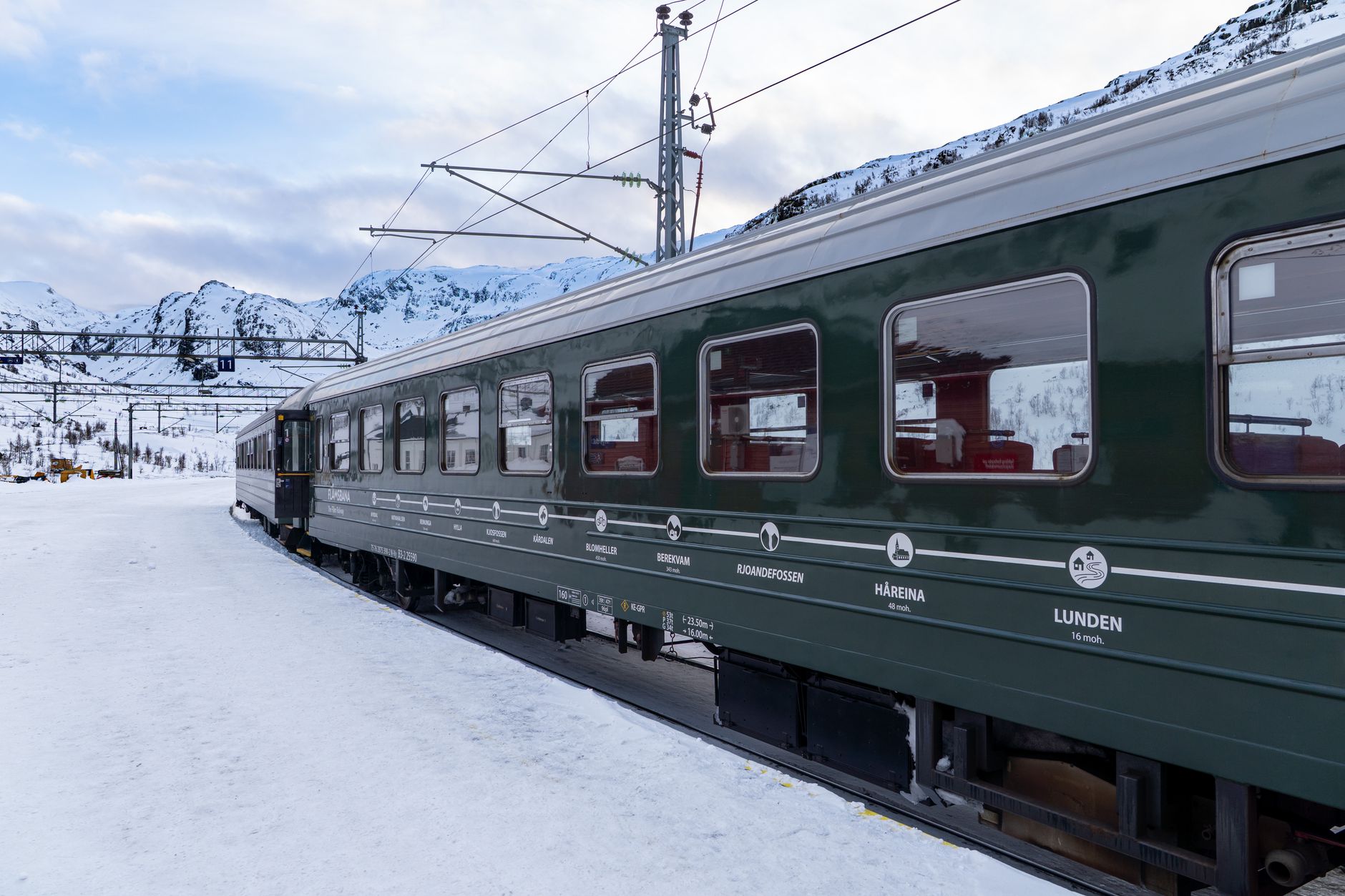
Flåmsbana (The Flåm Railway) Norway
The Flåmsbana train cutting through the snow-covered valley toward Flåm.

Flåmsbana (The Flåm Railway)

This is one of the steepest standard-gauge railways on earth, dropping 866 meters over a 20.2 km route. Sit on the right side when facing downhill for the best views of the valley. Bring a windproof jacket because the freezing spray at the Kjosfossen waterfall stop will soak you in seconds. If you have a Eurail pass, don’t book online—buy your ticket at a staffed station to get your 30% discount.

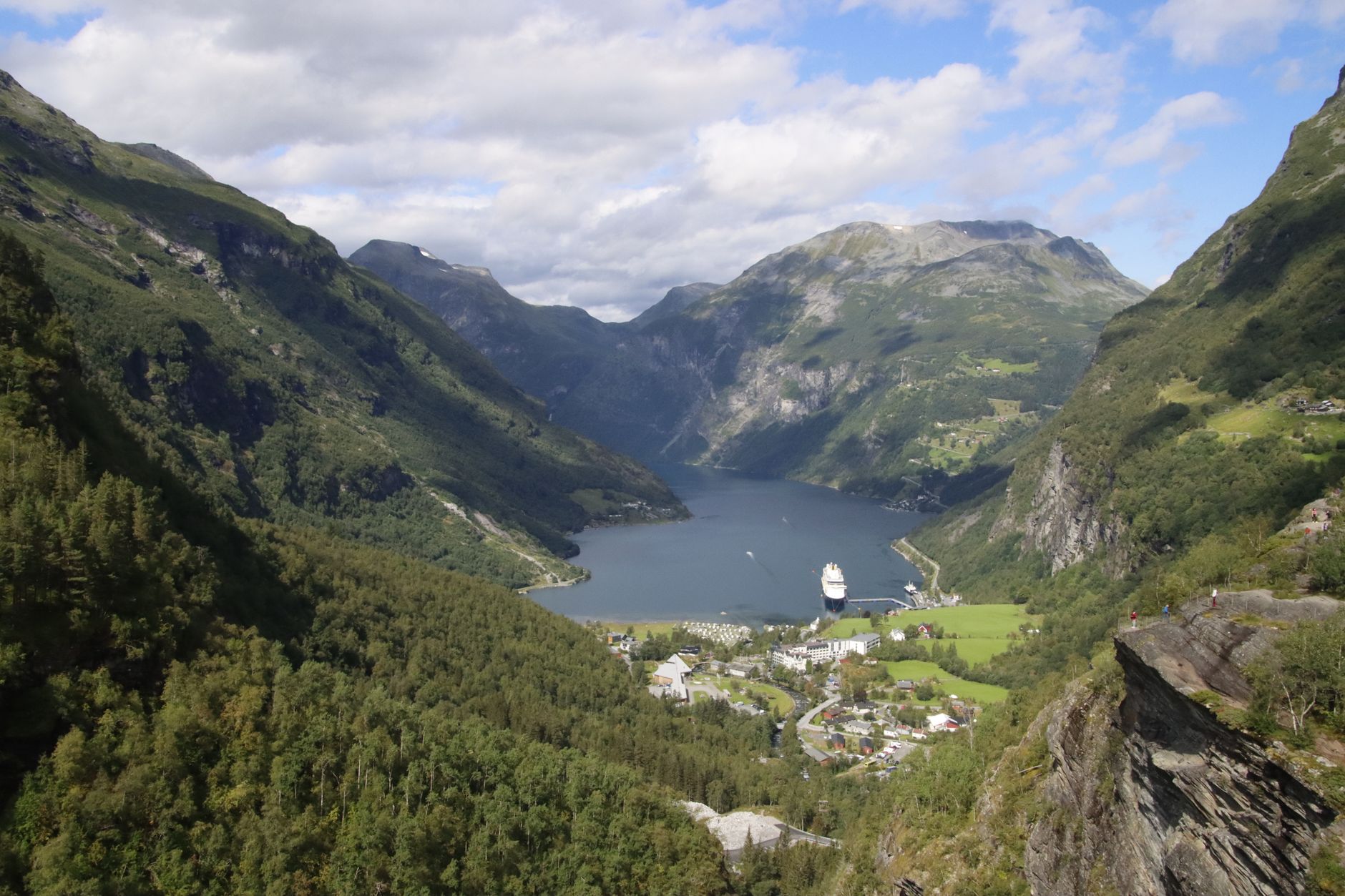
Geirangerfjord (Flydalsjuvet & Dalsnibba Viewpoints) Norway
A cruise ship navigating the deep blue waters of Geirangerfjord.

Geirangerfjord

In 2025, Norway welcomed over 1.6 million cruise passengers across 3,900 ship calls, and Geiranger gets hit hard. Skip the crowded Flydalsjuvet platform and pay the toll to drive up to Dalsnibba, sitting 1,500 meters above sea level. Check the daily port schedule online and only visit early in the morning or after 5:00 PM when the massive ships have departed.

Chasing the Lights in Tromsø

Tromsø is the undisputed capital of the Arctic. It is also a breeding ground for opportunistic tour operators looking to take advantage of desperate tourists.

Tromsø (Arctic Cathedral & Northern Lights) Norway
The glowing city of Tromsø during the blue hour of Arctic winter.

The Unlicensed Aurora Tour Scam

Local police are actively cracking down on unlicensed guides targeting tourists on social media apps like WeChat and Red Note. These operators use standard rental cars without commercial passenger insurance or transport licenses. If they get pulled over or crash, you have zero coverage. Always verify that your guide is registered through official portals like Visit Tromsø.

Crucial Rules You’ll Break by Accident

Norway is incredibly safe, but the local laws are strict, unforgiving, and heavily enforced. Breaking them will ruin your budget instantly.

  • The E-Scooter DUI Trap: Norway has a strict 0.02% Blood Alcohol Concentration (BAC) limit. This applies to rental e-scooters in Oslo and Bergen. Riding tipsy can land you a fine scaled to your income—often 1.5 times your gross monthly salary—or actual jail time.
  • The Potato Ban: You cannot bring uncertified potatoes into Norway in your luggage. Customs officers at Toll.no will confiscate them on the spot and hand you a massive fine. Leave the spuds at home.
  • Right to Roam Limits: The famous “Allemannsretten” allows you to camp almost anywhere on open land. However, it is strictly illegal to pitch a tent or park a camper van within 150 meters of an inhabited house or private cabin.
  • Fake QR Codes: Scammers in Oslo and Bergen are pasting fake QR code stickers over the real ones on restaurant tables. They also send fake SMS texts pretending to be the Road Administration (Statens vegvesen) demanding toll payments. Never click unsolicited toll links.

“Norway is almost entirely cashless. If you pull out physical Krone notes to pay for a coffee, expect the barista to look at you like you’ve handed them a piece of coal.”

What to Eat (and What it Costs)

Eating out in Norway is notoriously expensive. Knowing what to order—and where to buy it—will save you a fortune.

  • Brunost (Brown Cheese): A sweet, caramelized whey cheese. Skip the cafes and buy a block at a Meny or Rema 1000 supermarket for 50–70 NOK ($5–$7 USD) to eat on crackers.
  • Reindeer Stew (Finnbiff): Sautéed reindeer meat served with cream sauce, juniper berries, and lingonberries. Expect to pay 195–285 NOK ($18–$27 USD) for lunch at casual spots like Sentralen in Oslo, or up to 420 NOK ($40 USD) at high-end dinner spots.
  • Fiskesuppe: A rich, creamy fish soup with cod, salmon, and root vegetables. Grab a steaming bowl at the Bergen Fish Market (Fisketorget) for 120–180 NOK ($11–$17 USD).

Frequently Asked Questions

Do I need to carry cash in Norway?
No. Norway is a cashless society. Many buses, shops, and restaurants do not accept physical money at all. Just bring a debit or credit card with zero foreign transaction fees.
How do I book trains and buses across different regions?
Do not download multiple regional transport apps. Use the national Entur app, which consolidates routes, timetables, and ticket purchases for trains, subways, local buses, and ferries across the entire country.
Can I buy alcohol in supermarkets anytime?
No. Supermarkets stop selling beer after 8:00 PM on weekdays and 6:00 PM on Saturdays, with no sales allowed on Sundays. For wine and spirits, you must visit the state-run monopoly shops called Vinmonopolet, which close early in the afternoon.

Staying Connected in the Fjords

Norway is highly digitalized. You’ll need an internet connection to scan QR codes for restaurant menus, buy ferry tickets, and navigate mountain roads. While you can buy a local physical SIM card at airport convenience stores like Narvesen for 199 NOK to 349 NOK ($18–$33 USD), the mandatory ID registration process often leads to long queues and activation delays. Plus, physical SIMs are easy to lose when swapping them out. A much simpler option is to set up a Norway eSIM before you even board your flight. With a Norway eSIM from Galactic Roam, you can connect instantly to Telenor or Telia’s ultra-fast 5G networks the moment you land, bypassing the airport kiosks entirely.

Get your Norway eSIM